
Cats should not eat sushi as a regular part of their diet, and certain types of sushi pose serious health risks that make it an inappropriate food choice for felines. While the image of a cat enjoying fish might seem natural, raw fish carries parasites and bacteria that can cause severe illness, and many sushi ingredients are outright toxic to cats. A small piece of plain, cooked fish from a sushi platter is unlikely to cause immediate harm, but the risks associated with raw preparations, added seasonings, and common sushi components like avocado, garlic, and high-sodium soy sauce make this a food best kept away from your cat entirely. Consider this scenario: a cat owner shares a piece of salmon sashimi with their pet, thinking they are giving a healthy treat.
Within days, that cat develops vomiting and lethargy from a bacterial infection that the human’s digestive system handled without issue but the cat’s could not. Veterinarians regularly see cases of gastrointestinal distress in cats whose owners assumed that because cats are carnivores, any fish would be acceptable. The reality is far more complicated, involving differences in how cats process certain nutrients and their vulnerability to specific pathogens. This article examines why raw fish presents unique dangers to cats, which sushi ingredients are toxic, the difference between sushi-grade fish and what cats can safely consume, and what alternatives exist for owners who want to share fish-based treats with their pets. Understanding these distinctions can prevent an expensive emergency vet visit and keep your cat healthy.
Table of Contents
- Is Raw Fish in Sushi Dangerous for Cats?
- Which Sushi Ingredients Are Toxic to Cats
- The Truth About Cats and Their Fish Cravings
- Safe Alternatives to Sushi for Fish-Loving Cats
- Health Risks and Warning Signs After Cats Eat Sushi
- How Much Fish Can Cats Safely Consume
- The Future of Feline Nutrition and Fish-Based Diets
- Conclusion
Is Raw Fish in Sushi Dangerous for Cats?
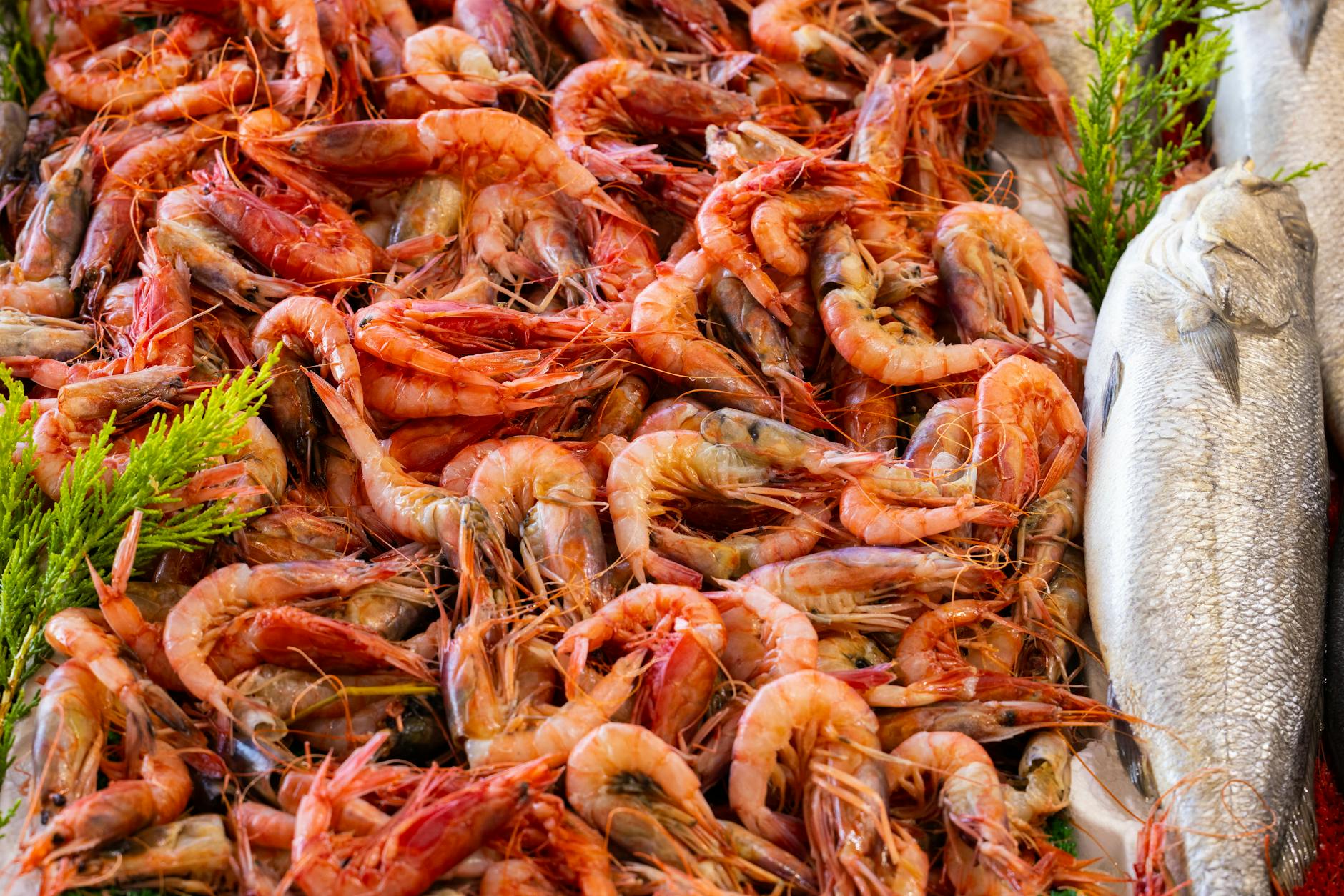
raw fish is the foundation of most sushi, and it presents several health hazards for cats that do not exist with properly cooked fish. The primary concern is thiaminase, an enzyme found in many raw fish species including tuna, mackerel, and carp. Thiaminase destroys thiamine, also known as vitamin B1, which cats require for proper neurological function. Cats fed raw fish regularly can develop thiamine deficiency, leading to loss of appetite, seizures, and in severe cases, death. Cooking fish deactivates thiaminase, which is why cooked fish does not carry this particular risk. Beyond enzyme concerns, raw fish harbors parasites and bacteria that pose genuine threats to feline health. Salmonella and listeria can survive in raw fish and cause serious gastrointestinal illness in cats.
Parasites like anisakis, commonly found in raw marine fish, can embed in a cat’s digestive tract and cause severe inflammation and vomiting. While sushi-grade fish undergoes freezing processes designed to kill parasites, these standards were developed for human consumption, not feline safety. A cat’s smaller body size and different immune response mean that pathogen loads considered acceptable for humans may overwhelm a cat’s system. The comparison between raw and cooked fish is stark when examining safety profiles. Cooked salmon or whitefish, prepared without seasonings or oils, can be an occasional healthy treat for cats, providing protein and omega-3 fatty acids. The same fish served raw carries all the risks described above. There is no nutritional benefit to feeding raw fish that would justify these hazards, making cooked fish the clear choice for cat owners who want to share seafood with their pets.
Which Sushi Ingredients Are Toxic to Cats
Several common sushi ingredients are toxic to cats, making even a small bite of the wrong roll potentially dangerous. Avocado, found in popular rolls like California rolls, contains persin, a fungicidal toxin that causes vomiting, diarrhea, and in severe cases, heart damage in cats. While the flesh contains less persin than the pit, skin, and leaves, no part of an avocado should be considered safe for feline consumption. Cats have demonstrated sensitivity to persin at levels that cause no reaction in humans. Garlic and onion appear in many sushi preparations, either in sauces, marinades, or as flavor components in specialty rolls. Both belong to the allium family and are highly toxic to cats, causing oxidative damage to red blood cells that leads to anemia. The dangerous aspect of allium toxicity is its cumulative nature.
Small exposures over time can build to crisis levels, meaning a cat that seems fine after eating garlic-containing sushi once may develop serious illness after repeated exposures. Symptoms may not appear for several days after ingestion, making it difficult for owners to connect the illness to the sushi they shared. Wasabi and pickled ginger, standard sushi accompaniments, cause gastrointestinal irritation in cats. While not toxic in the same way as garlic, these strong flavors can trigger vomiting and diarrhea. Soy sauce presents another concern due to its extremely high sodium content. A single tablespoon of soy sauce contains more than a cat’s entire daily recommended sodium intake. Excessive sodium causes increased thirst and urination at minimum, and in serious cases leads to sodium ion poisoning with symptoms including tremors, elevated body temperature, and seizures.
The Truth About Cats and Their Fish Cravings
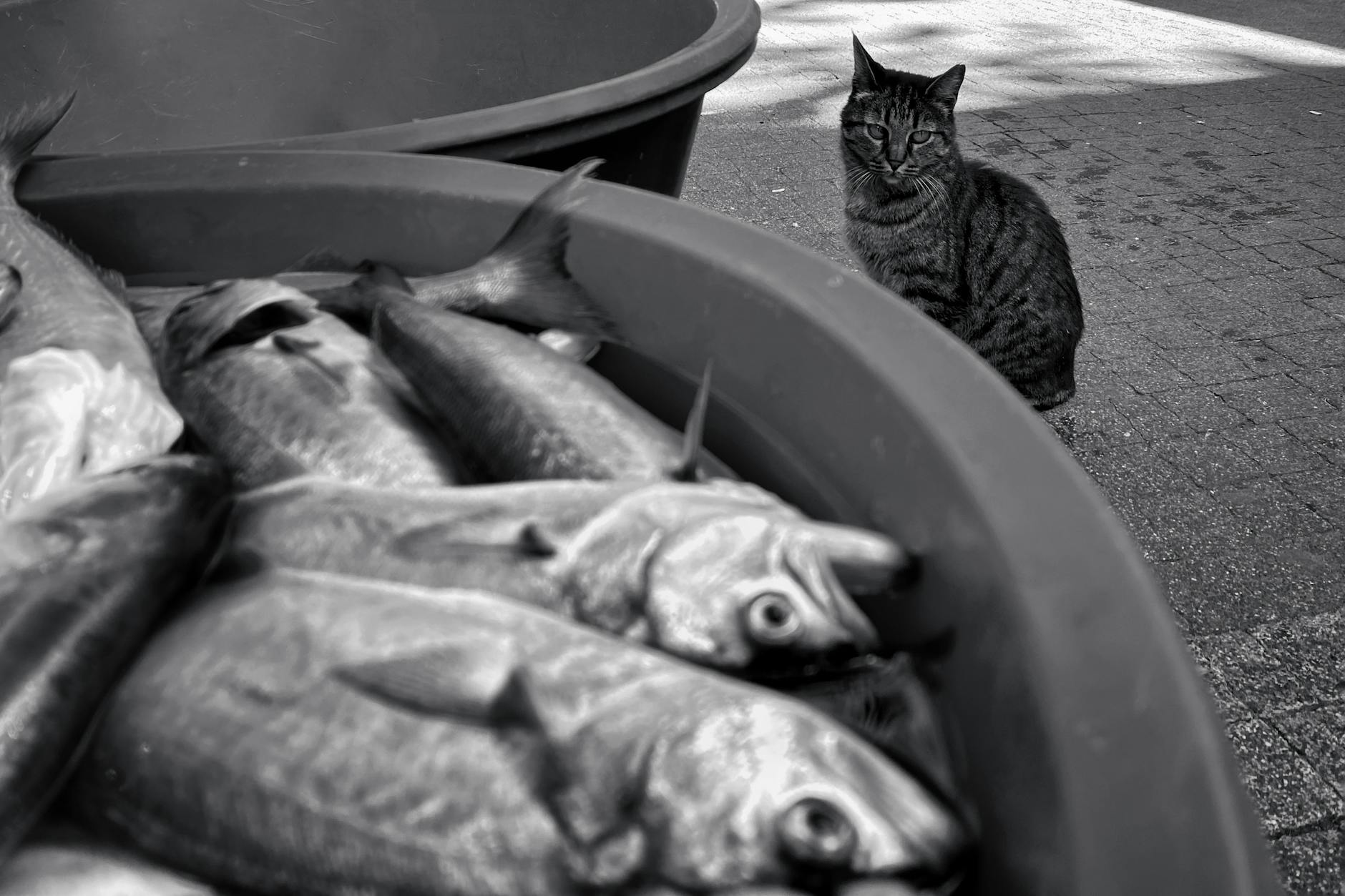
The popular belief that cats naturally crave fish stems more from cultural association than biological reality. Domestic cats evolved from desert-dwelling ancestors who had little access to fish, and their digestive systems are not specially adapted to process seafood. The association between cats and fish developed largely through human feeding practices, particularly in coastal communities where fish was abundant and cheap. Cats certainly find fish palatable due to its strong smell and high protein content, but this preference is learned rather than instinctual. Modern cat nutrition research has revealed that fish-heavy diets can actually cause health problems beyond the raw fish concerns already discussed. Cats fed predominantly fish-based diets may develop allergies to fish proteins over time, leading to skin irritation and gastrointestinal issues.
Additionally, certain fish accumulate mercury and other heavy metals, and frequent consumption can lead to toxic buildup in a cat’s body. tuna is particularly problematic because cats often find it highly palatable, leading owners to offer it frequently, but its mercury levels make regular feeding inadvisable. A practical example illustrates this point: a cat owner notices their pet seems to prefer tuna over other foods and begins offering it daily. Over months, the cat may develop what veterinarians sometimes call “tuna addiction,” refusing other foods while simultaneously building up mercury levels that cause neurological symptoms. The solution is variety and moderation. Fish can be part of a balanced feline diet, but should not dominate it, and the fish provided should always be cooked and offered as an occasional treat rather than a dietary staple.
Safe Alternatives to Sushi for Fish-Loving Cats
Cat owners who want to satisfy their pet’s interest in fish have several safe options that provide the flavor cats enjoy without the risks associated with sushi. Plain cooked fish, prepared without any oil, butter, salt, or seasonings, offers the most straightforward alternative. Salmon, whitefish, and cod are good choices when baked or steamed until fully cooked. The key is ensuring the fish reaches an internal temperature that kills parasites and bacteria while avoiding any additives that could harm the cat. Commercial cat treats made with fish provide another convenient option with built-in safety measures. Reputable pet food manufacturers cook and process fish to eliminate pathogens while formulating treats to meet feline nutritional needs.
These products typically come in controlled portion sizes that prevent overfeeding. The tradeoff is that commercial treats cost more than sharing human food and may contain preservatives or fillers that some owners prefer to avoid. Reading ingredient labels and choosing products from established brands with good safety records helps mitigate concerns about commercial treat quality. Comparing homemade versus commercial fish treats involves weighing control against convenience. Homemade treats allow complete ingredient control and can be cheaper per serving, but require time for preparation and knowledge about safe cooking methods. Commercial treats offer consistency and convenience but at higher cost and with less transparency about sourcing. Many cat owners find a middle ground works best, using commercial treats for everyday rewards while preparing homemade cooked fish for special occasions, ensuring variety while maintaining safety standards.
Health Risks and Warning Signs After Cats Eat Sushi
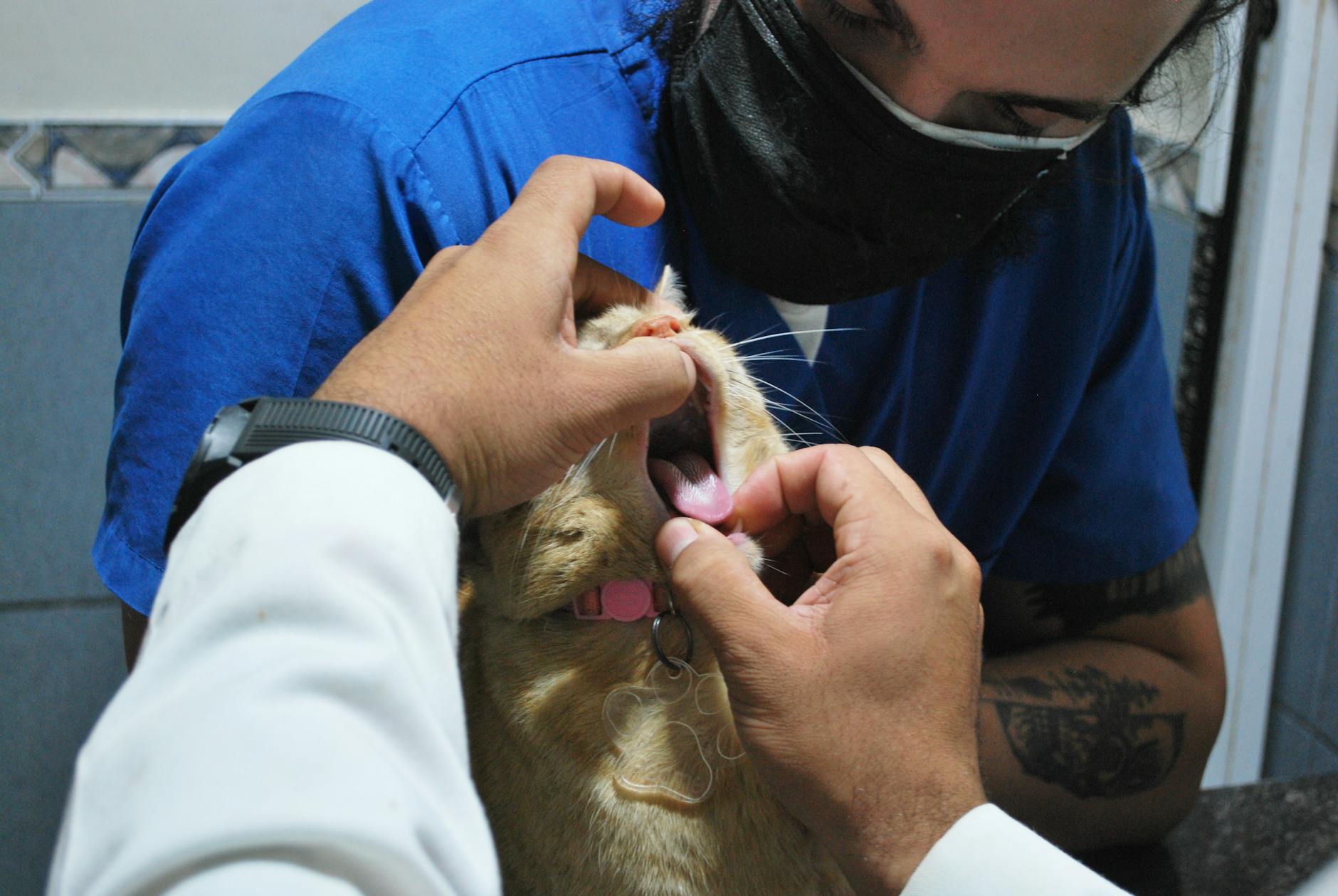
When a cat does consume sushi, whether through theft or accidental access, owners should monitor for specific symptoms that indicate trouble. Gastrointestinal distress typically appears first, manifesting as vomiting, diarrhea, or loss of appetite within hours to a day after ingestion. These symptoms may resolve on their own if the exposure was minor, but persistent vomiting or diarrhea lasting more than 24 hours warrants veterinary attention to prevent dehydration and assess for more serious complications. More concerning symptoms develop if the cat consumed toxic ingredients like garlic or onion. Allium toxicity can take several days to manifest, with initial symptoms including lethargy and weakness progressing to pale gums, rapid breathing, and dark-colored urine indicating red blood cell destruction. By the time these symptoms appear, significant damage may have occurred, which is why any known consumption of allium-containing foods should prompt an immediate call to a veterinarian or poison control hotline rather than waiting for symptoms to develop.
A significant limitation in assessing sushi-related illness is the delayed onset of many serious conditions. Thiamine deficiency from raw fish consumption develops over weeks of repeated exposure. Parasitic infections may not cause symptoms until the parasites have established themselves. Mercury accumulation takes months to reach toxic levels. This means that a cat who seems fine after eating sushi may still be at risk from that exposure or building toward a cumulative problem. Owners should not interpret a lack of immediate symptoms as evidence that sushi is safe for their particular cat.
How Much Fish Can Cats Safely Consume
Veterinary nutritionists generally recommend that treats and human food combined should constitute no more than ten percent of a cat’s daily caloric intake, with the remaining ninety percent coming from nutritionally complete cat food. For an average ten-pound cat requiring approximately 200 calories daily, this means treats should total no more than 20 calories. A one-ounce portion of cooked salmon contains about 40 calories, meaning even a small serving exceeds the recommended treat allowance.
Portion control becomes especially important with fish because cats often find it highly palatable and may demand more. Owners who give in to persistent meowing for fish risk creating feeding behavior problems while simultaneously overexposing their cat to the limitations of fish as a food source. Setting firm limits and offering fish no more than once or twice weekly as a small treat prevents both behavioral and health issues from developing.
The Future of Feline Nutrition and Fish-Based Diets
Research into feline nutrition continues to refine understanding of how cats process different food sources, including fish. Some pet food companies now offer recipes that use novel fish proteins or hydrolyzed fish to reduce allergenic potential while maintaining the palatability cats enjoy.
Others have developed fish-free foods that mimic the amino acid profiles cats find appealing without relying on actual fish content. The trend toward more precise feline nutrition suggests that future products may better balance the appeal of fish with safety considerations. Until then, cat owners serve their pets best by treating sushi and raw fish as human foods that cats should not share, while offering safe alternatives that satisfy feline interest in fish without compromising health.
Conclusion
Cats cannot safely eat sushi due to the combined risks of raw fish, toxic ingredients, and harmful additives common to this human food. Raw fish poses threats from parasites, bacteria, and thiaminase that cooked fish does not, while ingredients like garlic, onion, and avocado found in many sushi preparations are directly toxic to cats. Even components that are not poisonous, such as wasabi and soy sauce, can cause gastrointestinal distress and dangerous sodium overload.
Cat owners who want to share fish with their pets should offer small portions of plain, fully cooked fish as an occasional treat, representing no more than ten percent of daily calories. Commercial fish-flavored treats provide a safe and convenient alternative. By understanding the specific risks sushi poses and choosing appropriate alternatives, owners can satisfy their cat’s interest in fish while protecting their health.