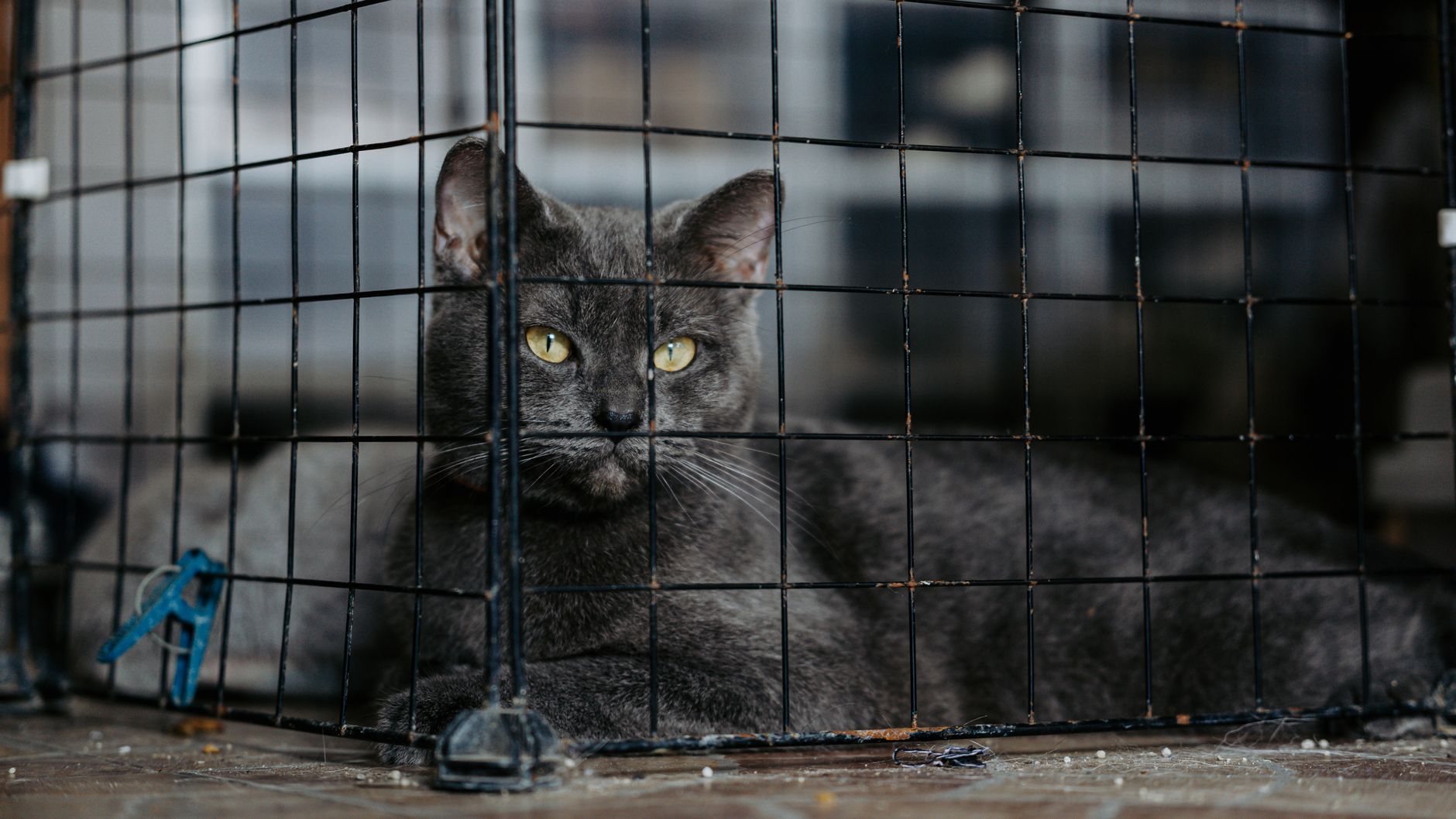
Stray Cat’s Life Transforms After Finding Shelter in Human Home

Indoor adoption extends a stray’s lifespan from 2–5 to 12–18 years while treating parasites, dental disease, and fear through veterinary care.
Cat Health, Behavior and Care Guides
Cat adoption, rescue, and finding the right cat
Indoor adoption extends a stray’s lifespan from 2–5 to 12–18 years while treating parasites, dental disease, and fear through veterinary care.
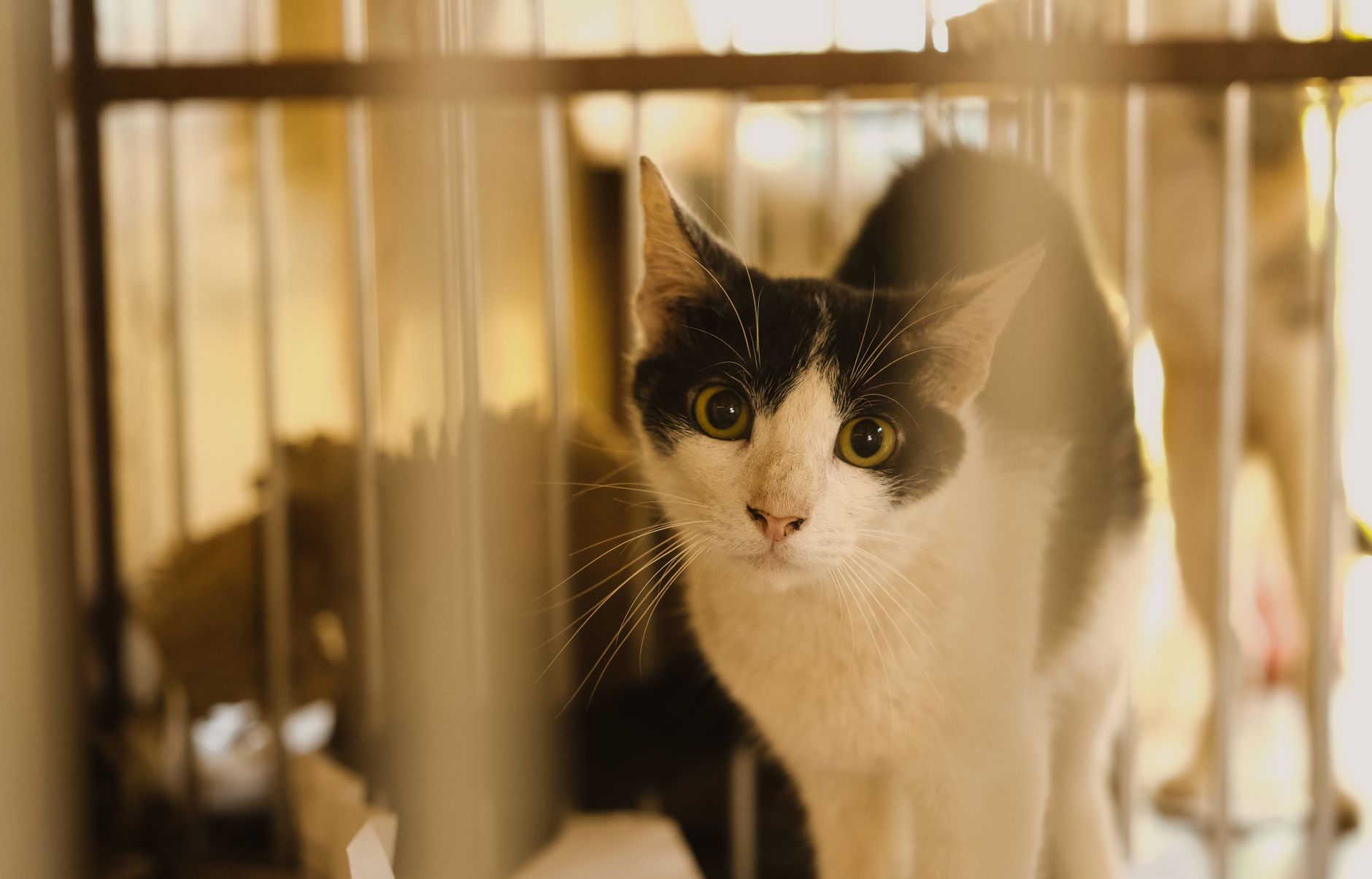
A three-month-old black-and-white kitten recovered after being stolen and taken into a bank robbery attempt is now available for adoption in Maryland.
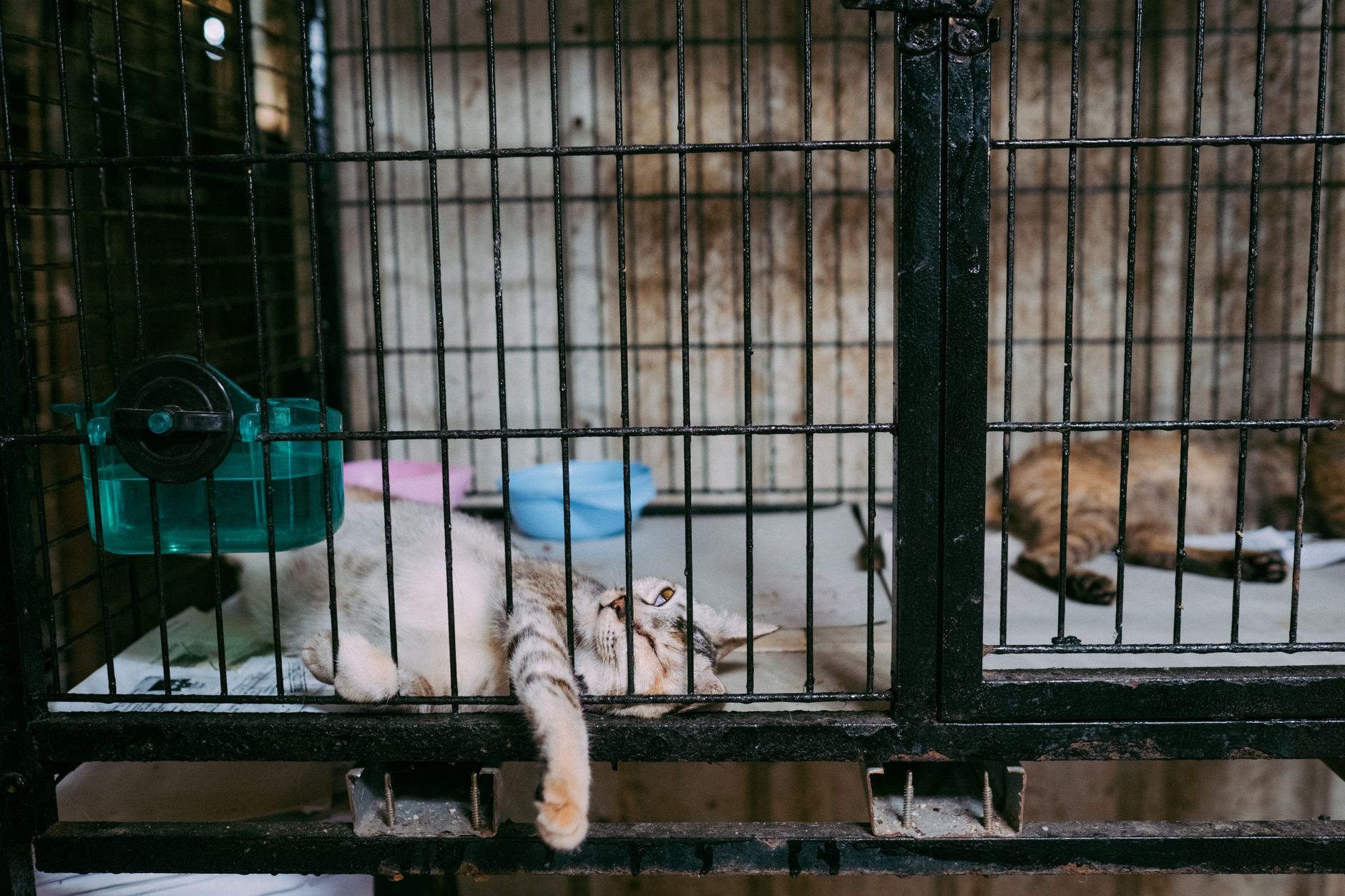
Rescue kittens are often free to adopt, but preparing financially and emotionally for years of care separates successful adoptions from failed ones.
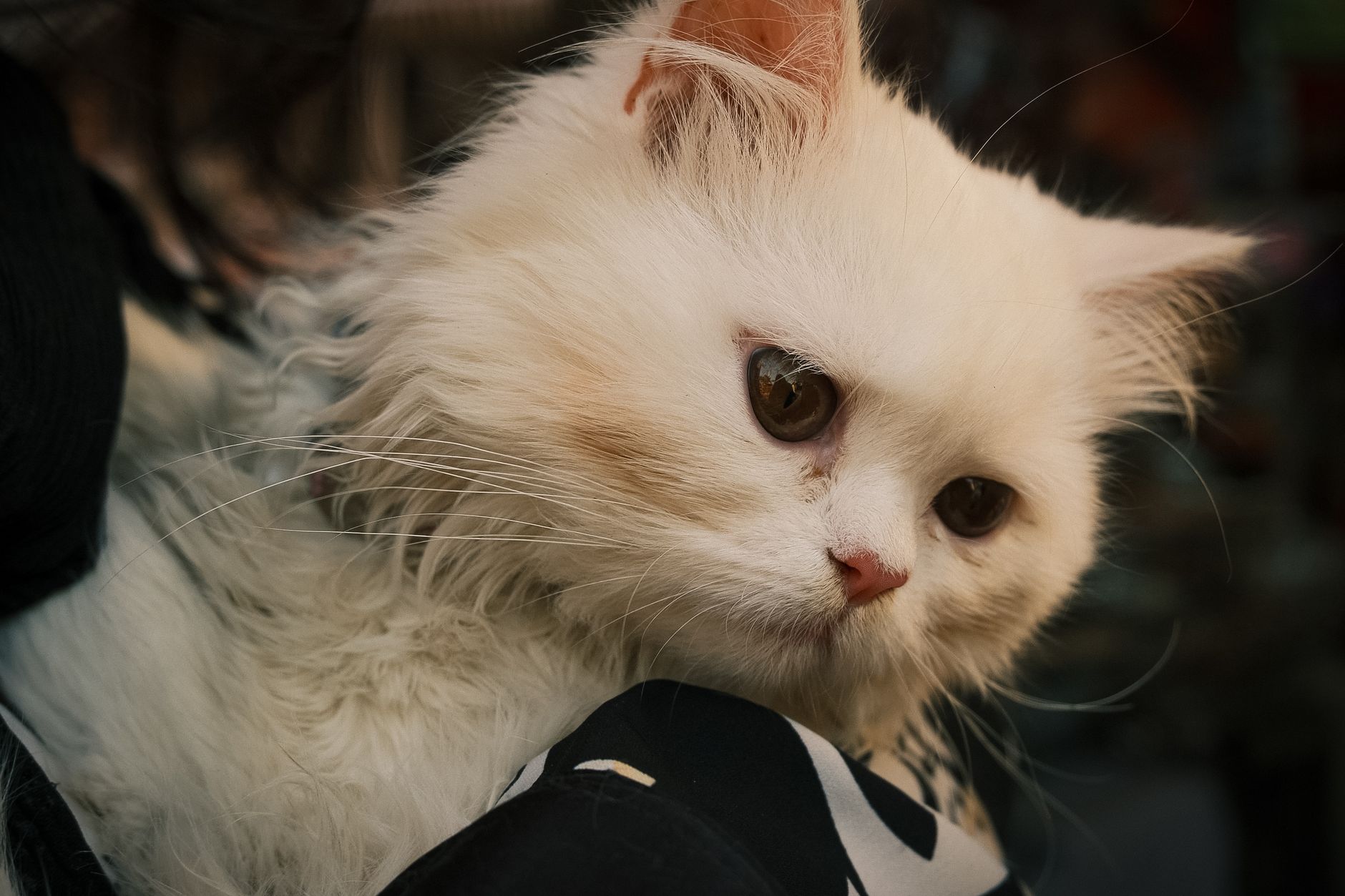
Official cat adoption resources—shelters, nonprofits, and government agencies—provide verified health records and accountability that protect both you and the animal.
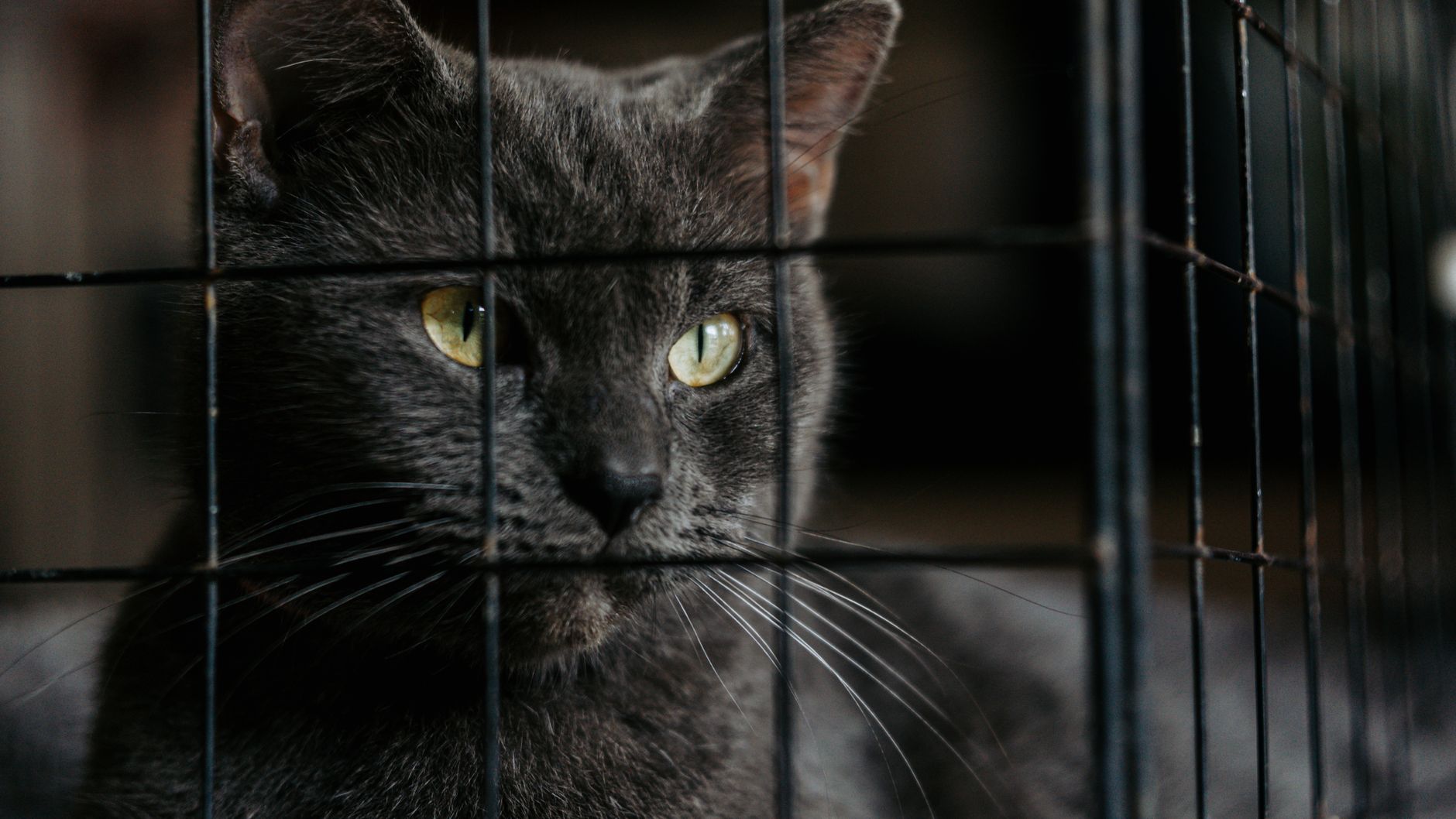
Emergency adoption events collide with peak kitten season as policy shifts permanently redirect adoption demand toward shelters.
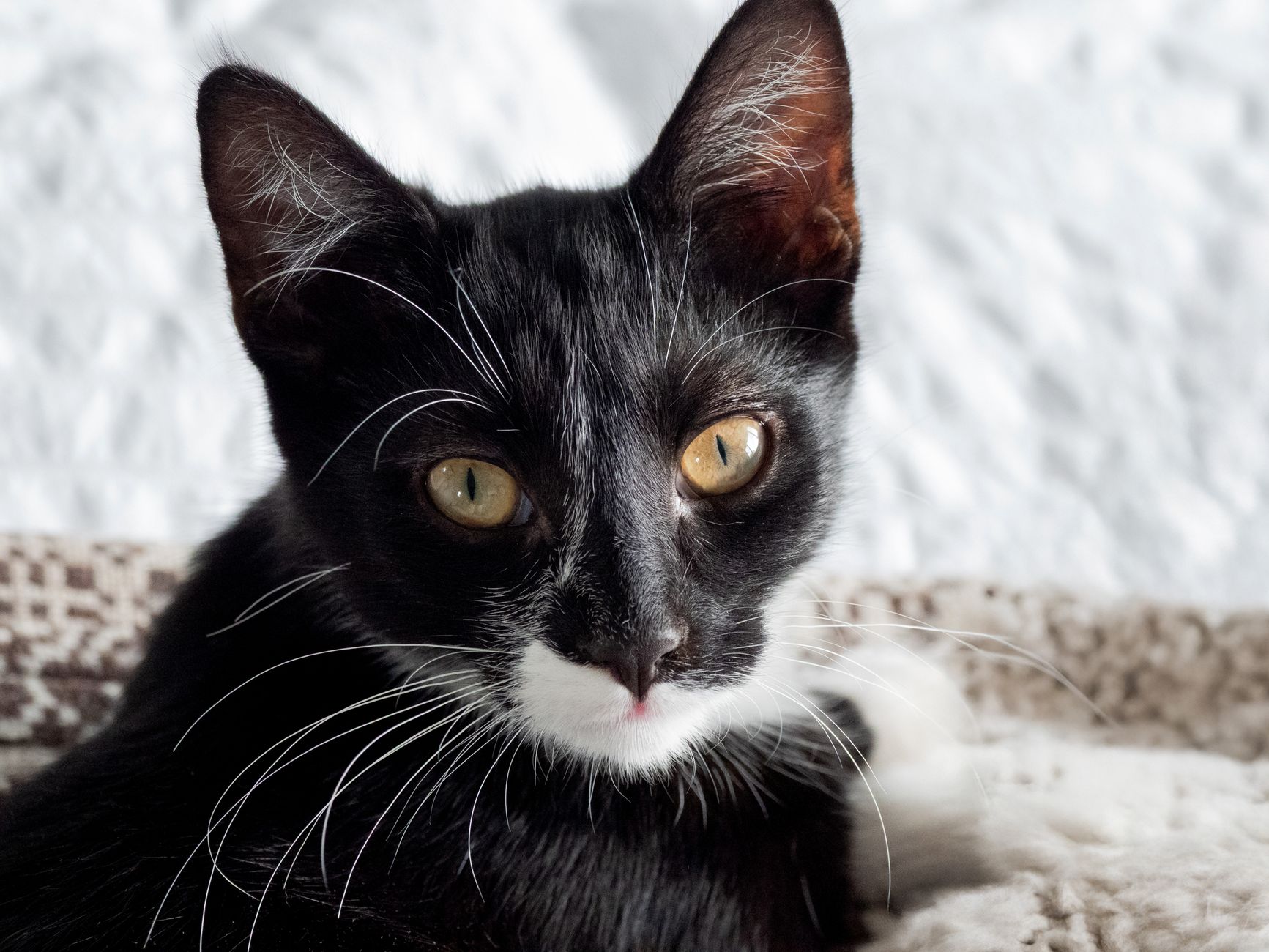
Adoption promotions vary by shelter and season—there’s no universal deadline, but knowing where discounts actually exist can reduce your adoption fee by 50% or more.
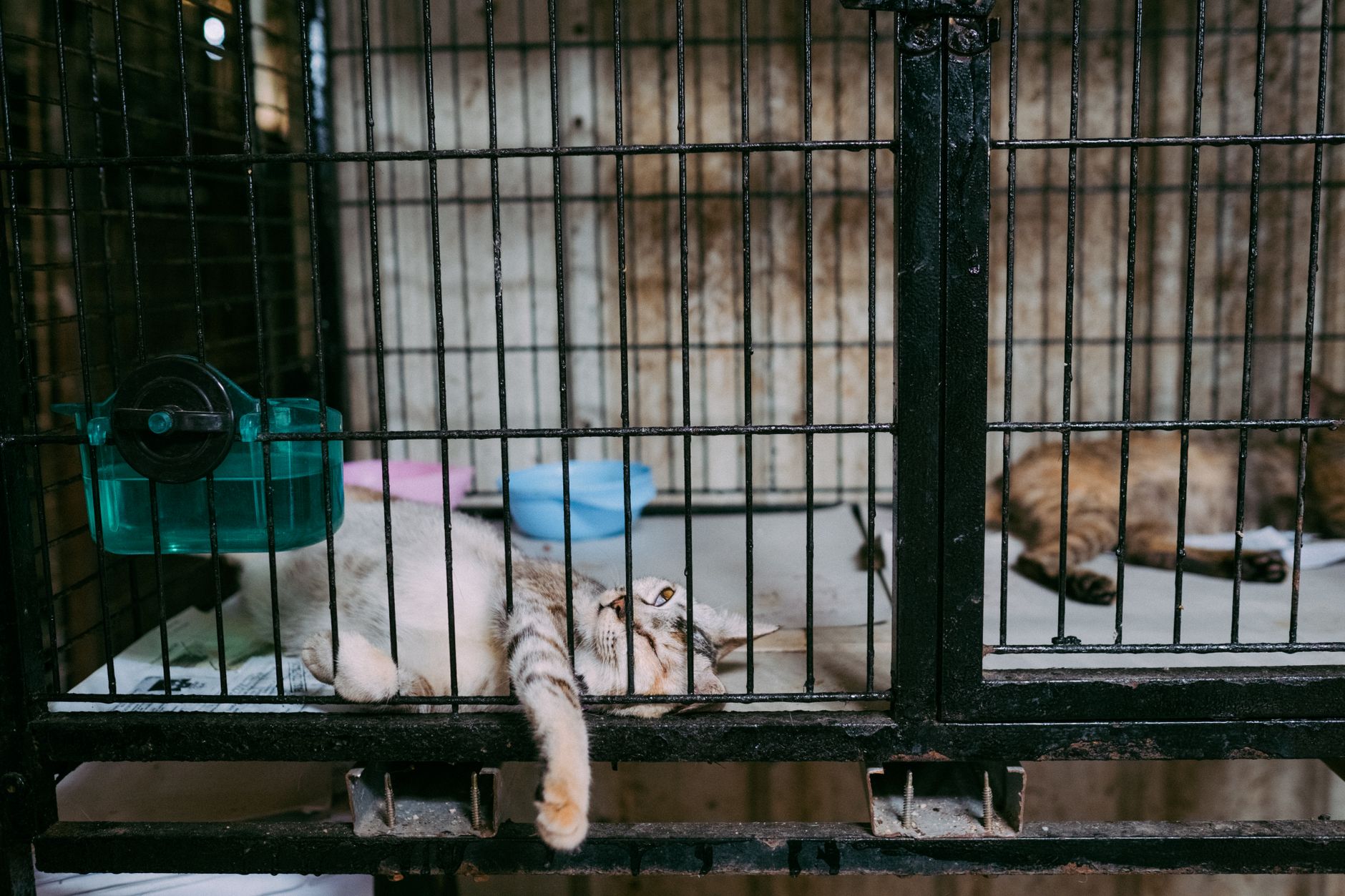
New adoption policies aim to protect cats, but legal questions and enforcement gaps create challenges for both shelters and adopters.
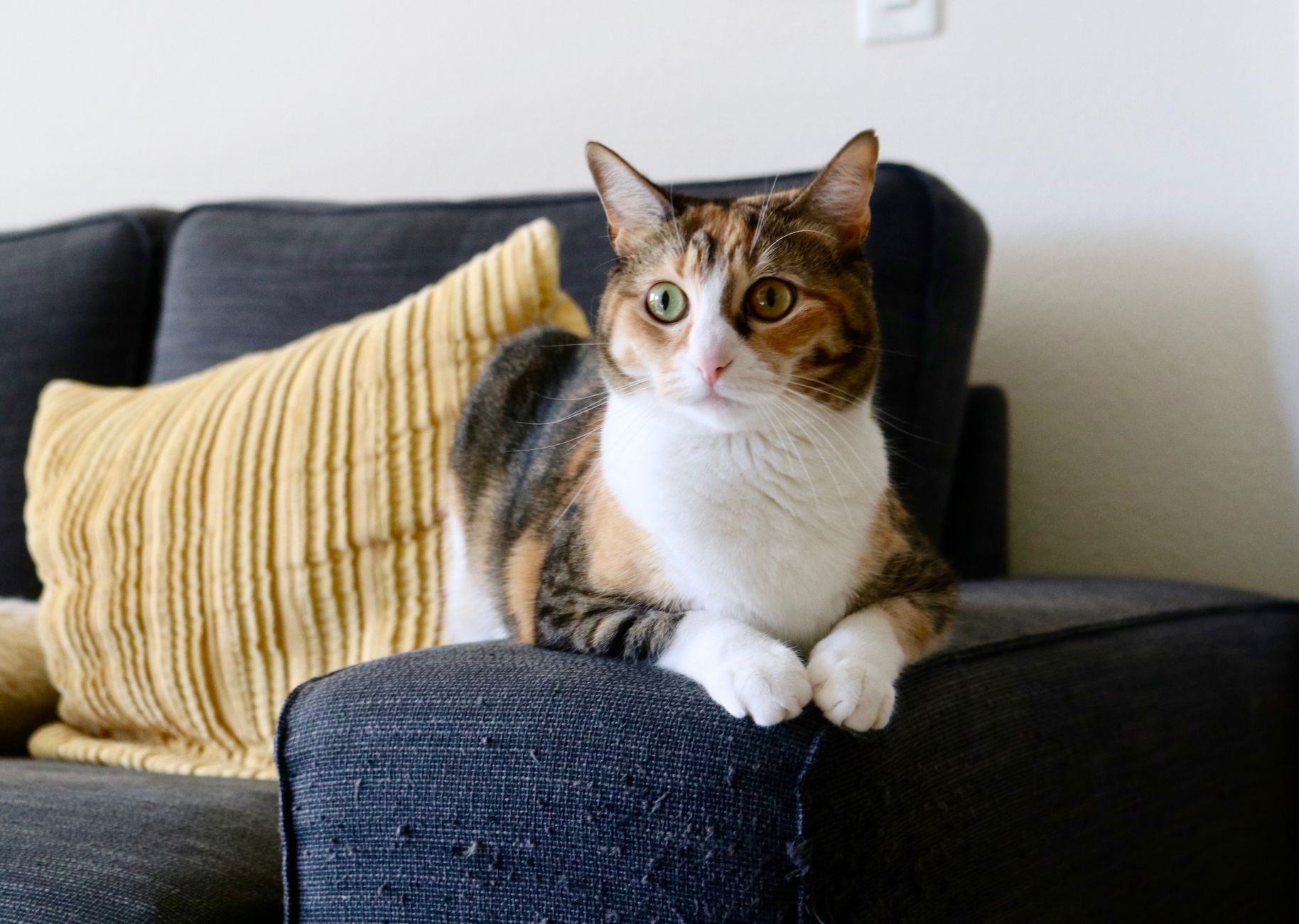
Adopting a cat requires financial preparation, home safety, realistic expectations about behavior, and honest commitment to 15+ years of care before you bring the animal home.
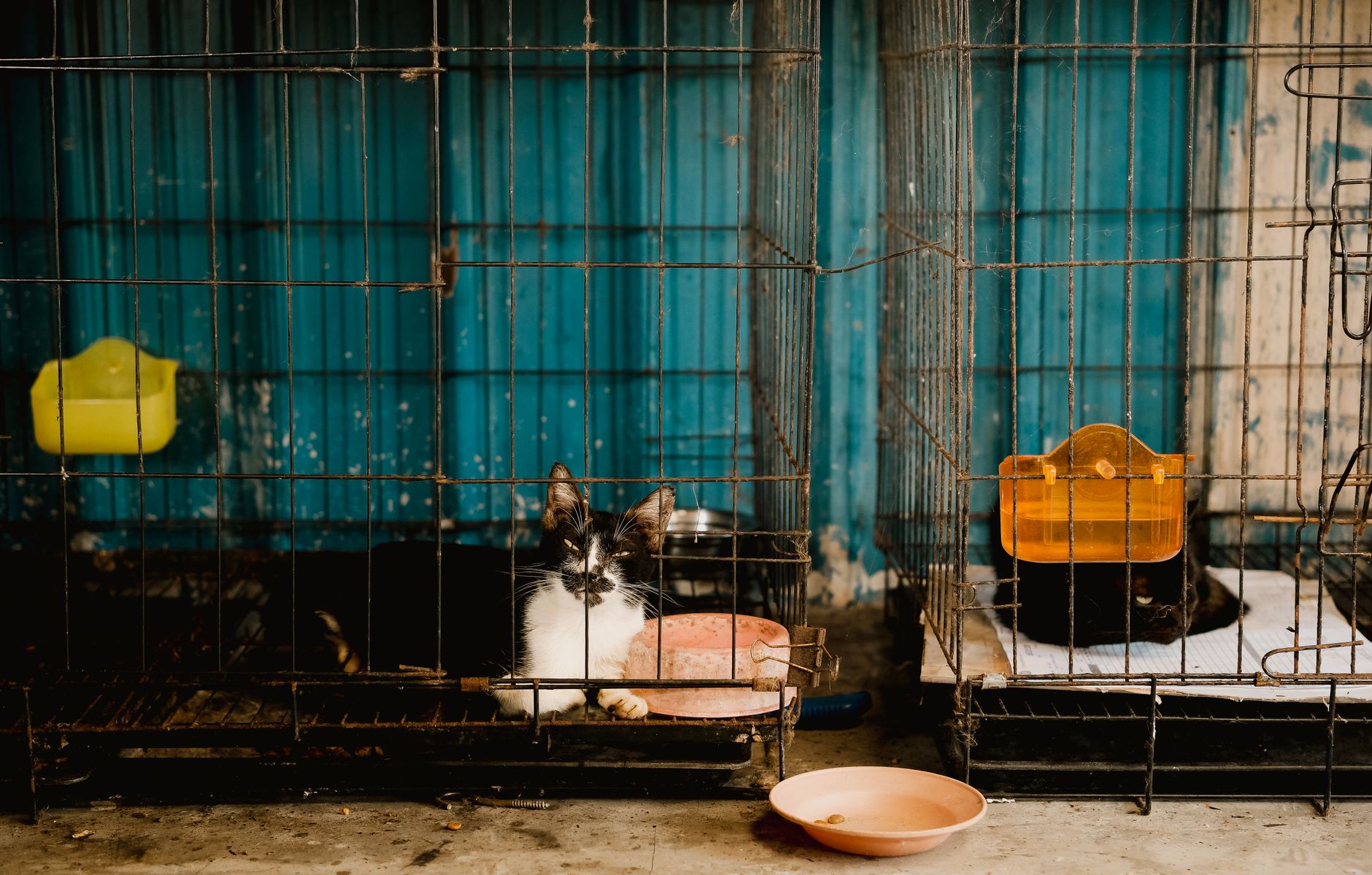
Cats now lead dogs in 2025 shelter adoptions, driven by urban living, remote work flexibility, and a complete reimagining of feline care investment.
Adoption fees hide a much larger financial commitment and specific requirements that most prospective cat owners underestimate before bringing home their new companion.