Can Cats Eat Avocado Safely

Cats should not eat avocado. While the flesh of a ripe avocado is less toxic to cats than it is to birds or horses, it still contains persin, a fungicidal...
Cats and dogs living together, introductions
Cats should not eat avocado. While the flesh of a ripe avocado is less toxic to cats than it is to birds or horses, it still contains persin, a fungicidal...

Yes, lemon is dangerous for cats. All parts of the lemon plant, including the fruit, peel, seeds, and leaves, contain compounds that are toxic to felines.

Oranges are not toxic to cats in the way that grapes or lilies are, but they are far from safe or advisable as a treat.

Pineapple is not toxic to cats, so a small nibble is unlikely to send you rushing to the emergency vet.

Yes, cats can eat cantaloupe safely in small amounts. The flesh of a ripe cantaloupe is non-toxic to cats, and many felines are surprisingly attracted to...

Yes, raisins are considered dangerous for cats and should never be offered as a treat or left where a cat can access them.

Yes, cats can eat blueberries safely. These small fruits are non-toxic to felines and pose no poisoning risk when offered in modest amounts.

Strawberries are not toxic to cats. The ASPCA does not list strawberries as a poisonous plant for felines, and a small piece of strawberry is unlikely to...

Cats can eat bananas safely, but only in very small amounts and as an occasional treat rather than a regular part of their diet.
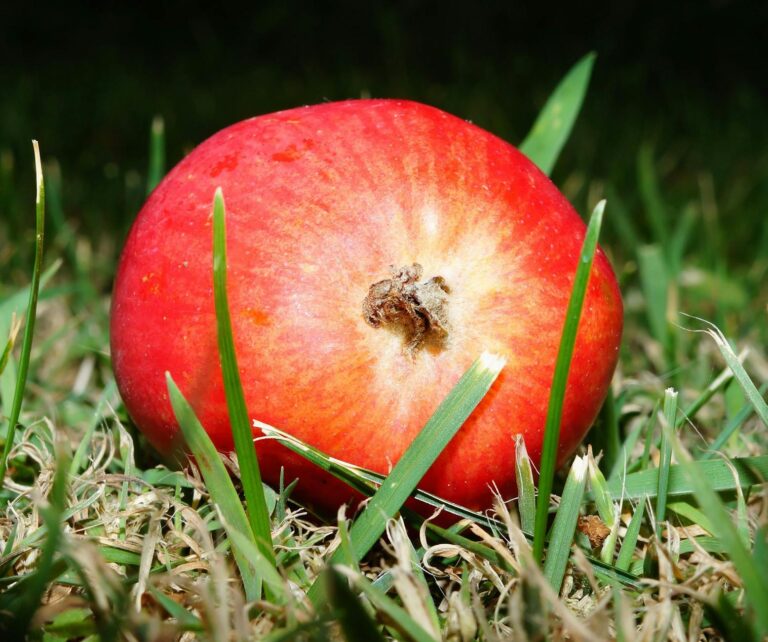
Apple seeds are dangerous for cats, though the risk is more nuanced than a simple yes or no. Apple seeds contain amygdalin, a naturally occurring compound...