Is Corn Safe for Cats
Corn is generally safe for cats to eat in small amounts, but it offers very little nutritional value for an obligate carnivore.
Cat Health, Behavior and Care Guides
Cat food, diet, nutrition, and feeding guides
Corn is generally safe for cats to eat in small amounts, but it offers very little nutritional value for an obligate carnivore.
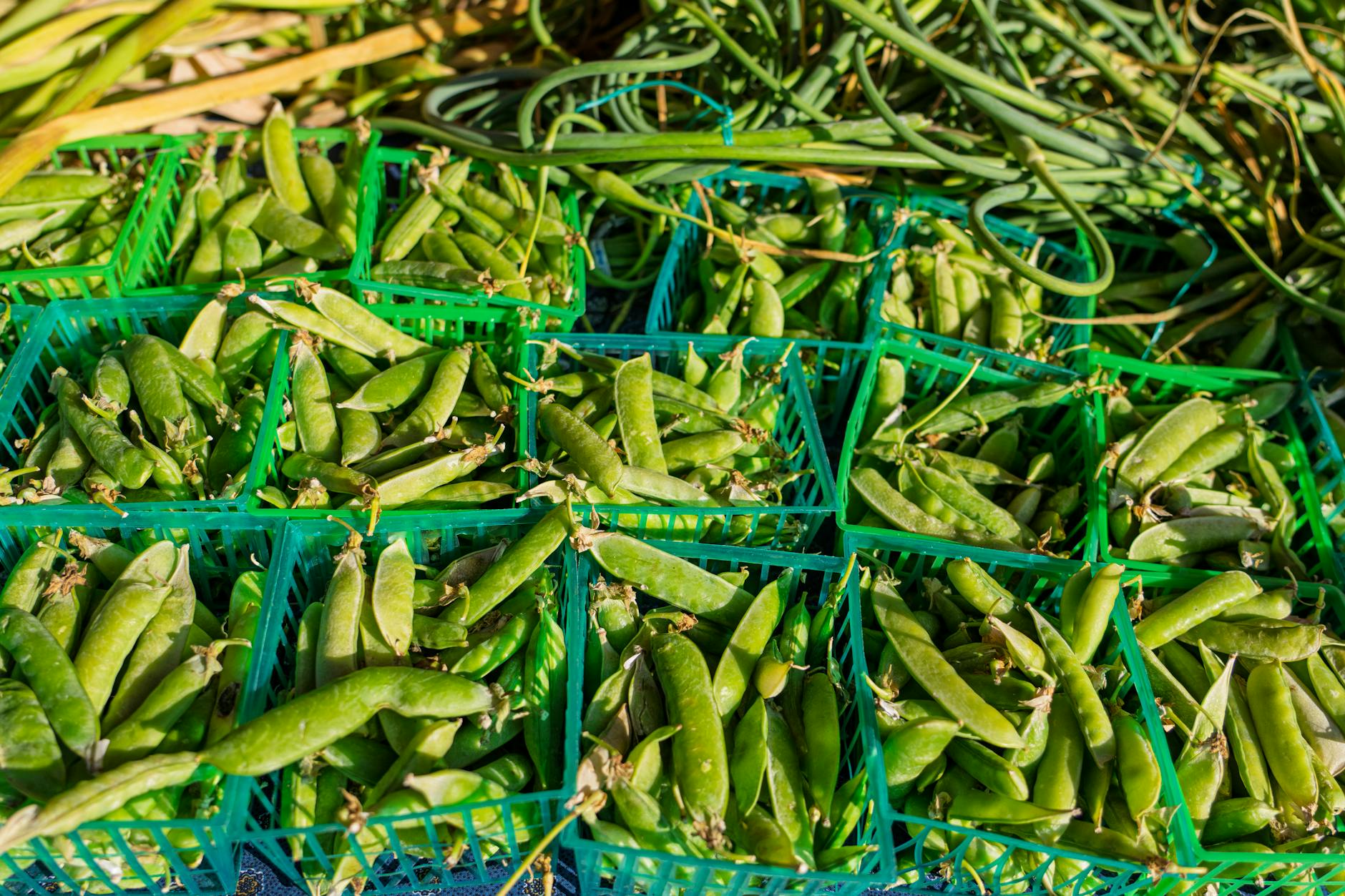
Yes, cats can eat peas safely in small amounts. Plain green peas, whether fresh, frozen, or cooked without seasoning, are non-toxic to cats and can even…
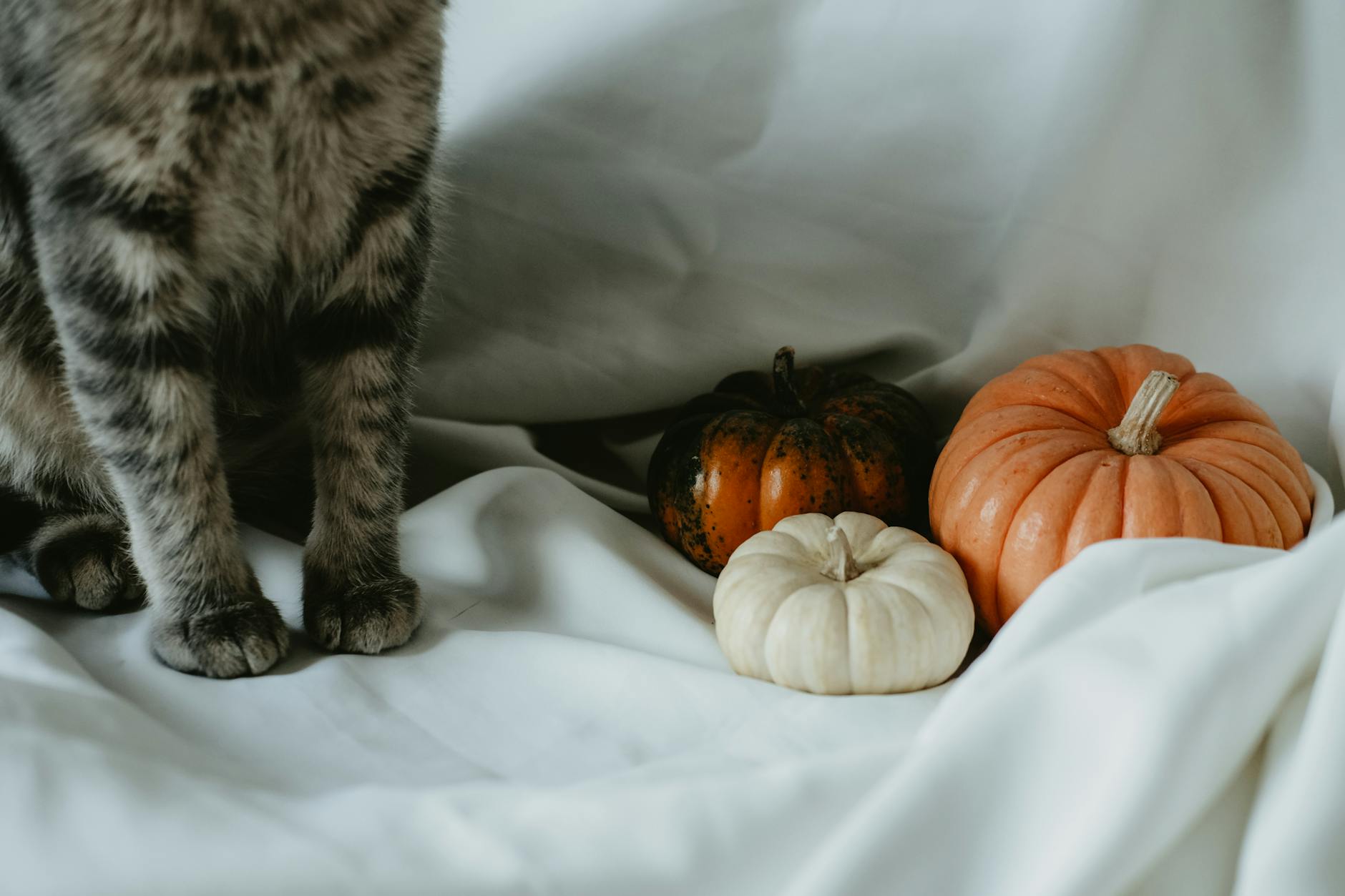
Yes, plain pumpkin is safe for cats to eat and can actually be a beneficial addition to their diet in small amounts.
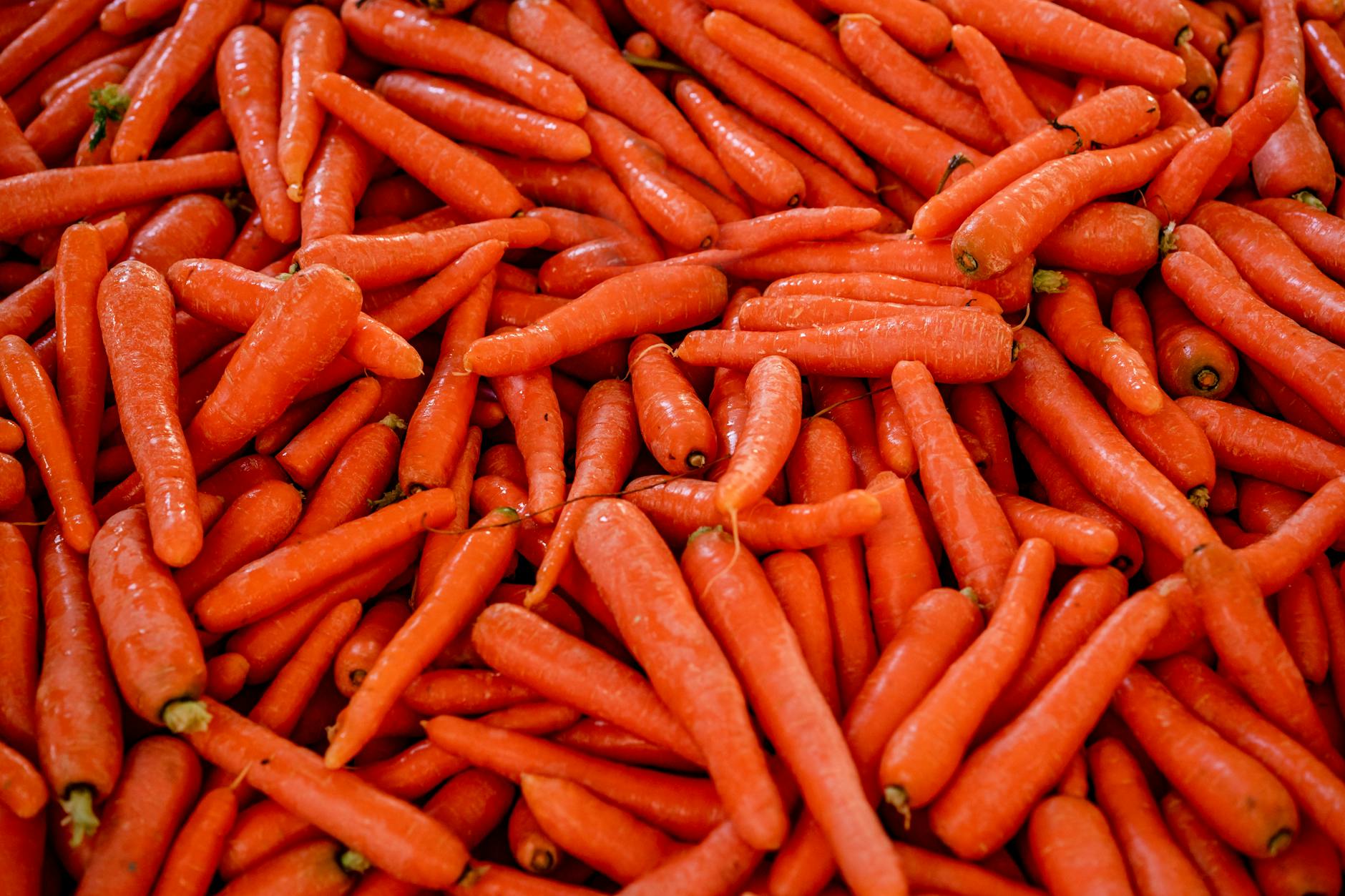
Yes, cats can eat carrots safely, but only when prepared correctly and offered in small amounts.

Cats should not eat avocado. While the flesh of a ripe avocado is less toxic to cats than it is to birds or horses, it still contains persin, a fungicidal…

Yes, lemon is dangerous for cats. All parts of the lemon plant, including the fruit, peel, seeds, and leaves, contain compounds that are toxic to felines.
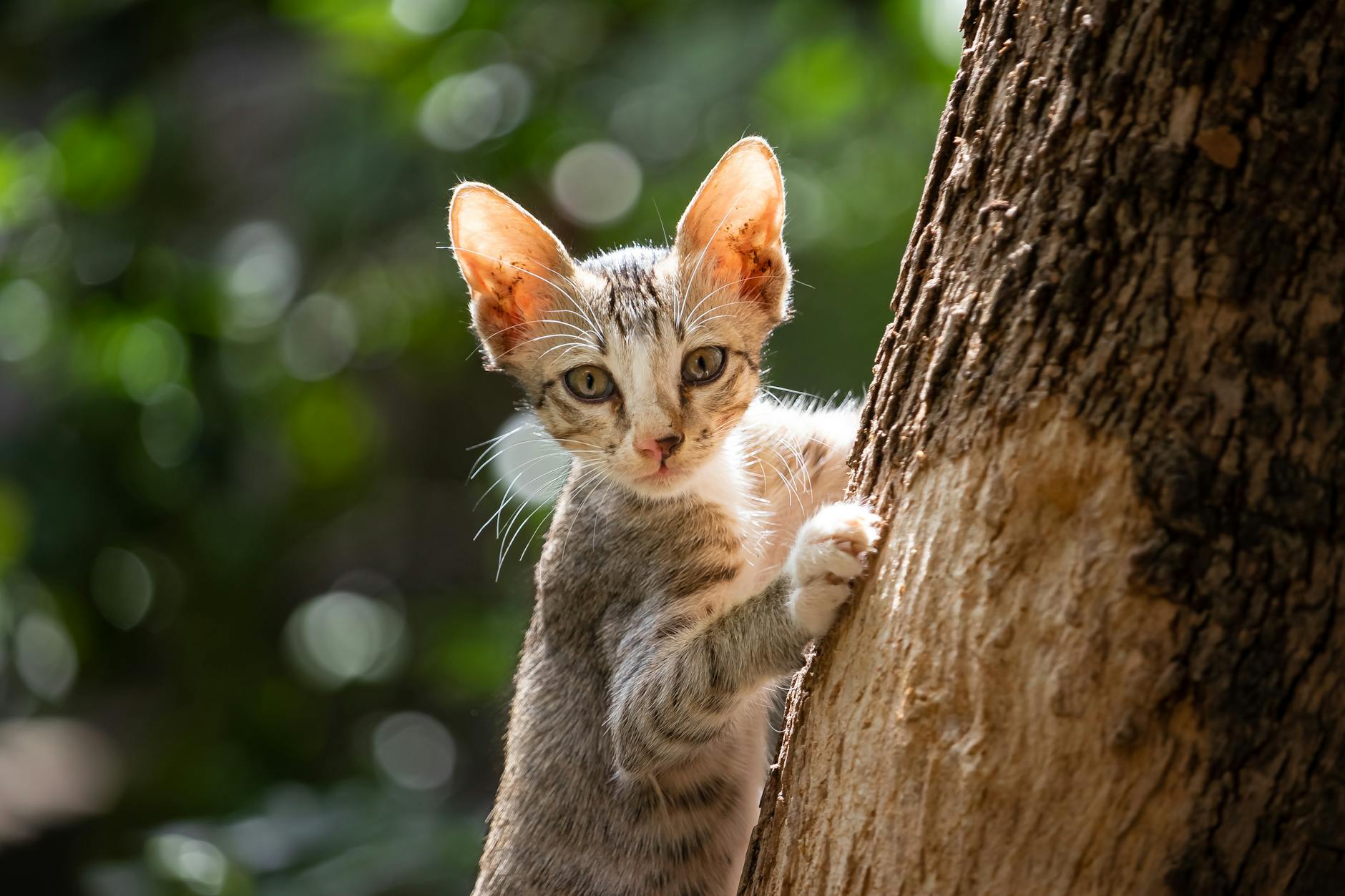
Oranges are not toxic to cats in the way that grapes or lilies are, but they are far from safe or advisable as a treat.
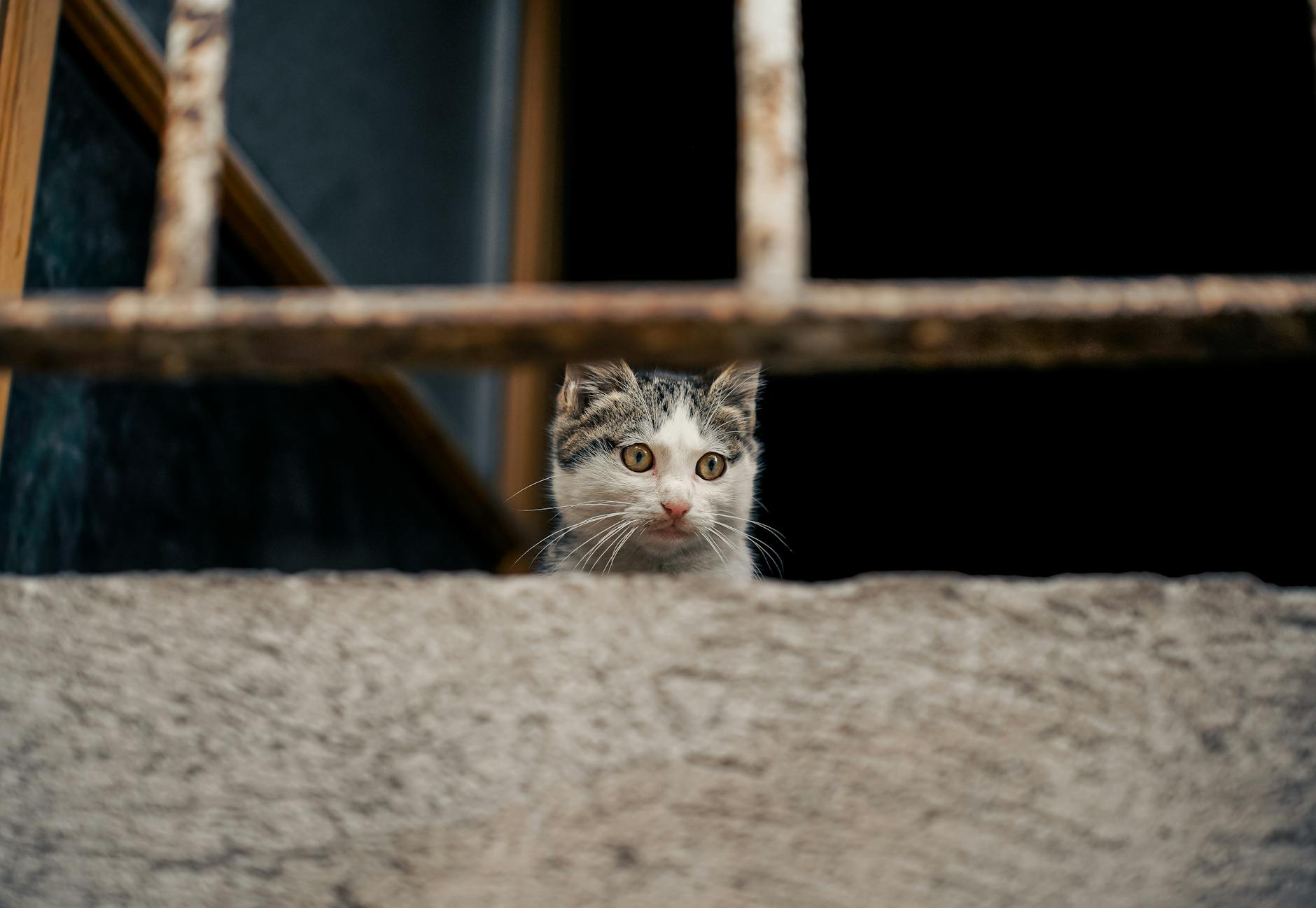
Pineapple is not toxic to cats, so a small nibble is unlikely to send you rushing to the emergency vet.
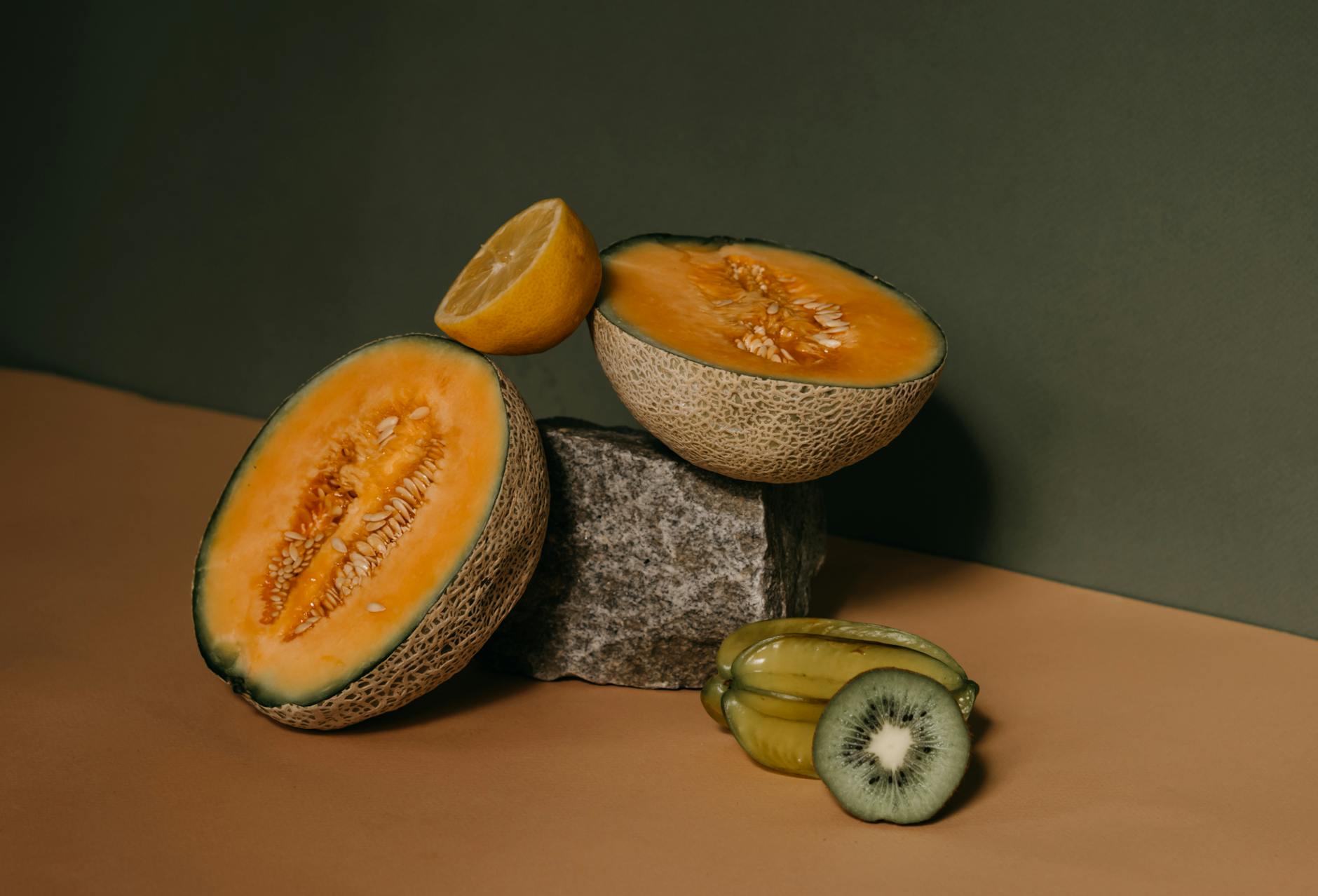
Yes, cats can eat cantaloupe safely in small amounts. The flesh of a ripe cantaloupe is non-toxic to cats, and many felines are surprisingly attracted to…

Yes, watermelon is generally safe for cats to eat in small amounts. The flesh of the fruit is non-toxic to felines and can even serve as a hydrating snack…