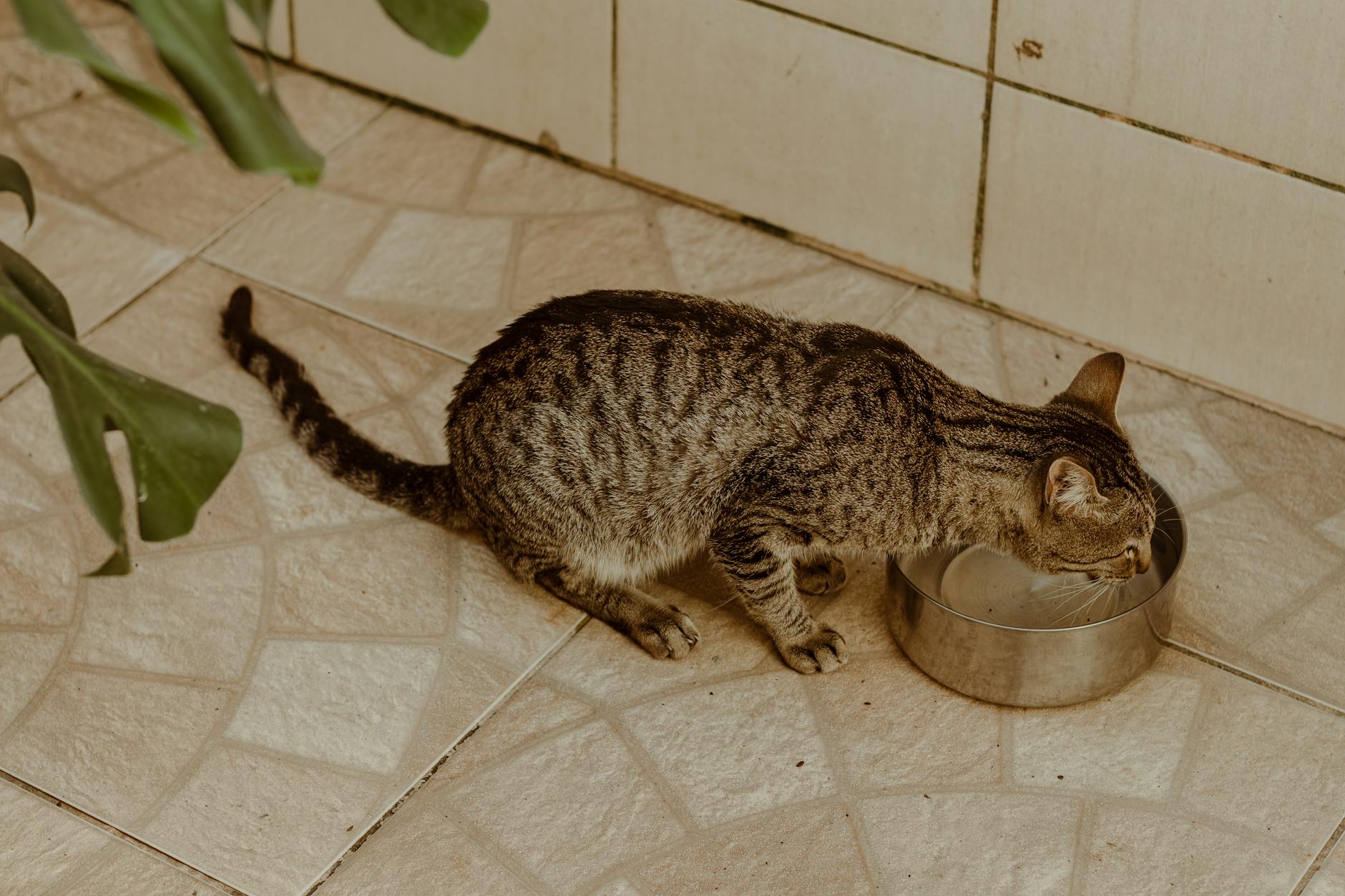
Drinking from plant saucers is generally not safe for cats, even though the water itself may seem harmless. The real danger lies in what’s dissolved in that water—fertilizer residue, pesticides, fungicides, and decomposing plant matter can all accumulate in saucer water, creating a toxic cocktail that poses serious health risks. A cat that regularly drinks from the saucer of a houseplant treated with commercial fertilizer could develop vomiting, diarrhea, or worse depending on the chemicals involved.
The temptation for cats to drink from plant saucers is understandable. The water is often more accessible than their water bowl, it may be cooler, and some cats are simply curious about the movement or reflections they see. However, what appears to be a convenient water source can quietly cause kidney damage, gastrointestinal upset, or acute poisoning, especially in kittens and older cats whose systems are more vulnerable to toxins.
Table of Contents
- What Makes Plant Saucer Water Dangerous for Cats
- The Difference Between Safe Water and Saucer Water
- Common Houseplants and Their Saucer-Related Toxicity Risks
- Preventing Saucer Drinking—Practical Strategies for Cat Owners
- Signs Your Cat Has Ingested Contaminated Saucer Water
- Choosing Cat-Safe Alternatives for Indoor Gardening
- Hydration Habits and Long-Term Cat Health
- Conclusion
- Frequently Asked Questions
What Makes Plant Saucer Water Dangerous for Cats
The primary hazard in plant saucer water comes from water-soluble substances that leach from the soil. When you water a plant, the liquid passes through potting soil that may contain slow-release fertilizer pellets, chemical additives, or wetting agents. These dissolve into the water and remain as concentrated solutions in the saucer. Common houseplant fertilizers contain nitrogen, phosphorus, and potassium in forms that can cause electrolyte imbalances and organ stress in cats at even moderate exposure levels.
Beyond fertilizers, many plant saucers collect decaying leaf material, algae growth, and bacteria colonies that thrive in stagnant water. A saucer of water sitting for three to five days becomes a breeding ground for harmful bacteria like E. coli and Salmonella. Additionally, if you’ve treated your plant with pesticides or fungicides—common for combating spider mites or powdery mildew—those residues will be present in saucer water at concentrations much higher than safe for feline consumption. Cats lack certain liver enzymes that help other animals metabolize some of these chemicals, making them especially susceptible.
The Difference Between Safe Water and Saucer Water
Safe drinking water for cats should be clean, free of minerals and chemicals, and changed daily. Saucer water violates all three criteria. Even distilled water placed in a plant saucer for more than a day begins to absorb contaminants from the soil, the plant pot’s exterior, and airborne particles. The longer water sits stagnant, the more bacterial growth occurs—a single saucer can contain millions of bacteria within 48 hours of being filled.
The warning here is critical for cat owners who assume they’re monitoring their cat’s hydration by providing multiple water sources around the home. If those sources include plant saucers, you’re actually introducing contamination rather than redundancy. A cat that develops chronic vomiting or reduced appetite after regular saucer drinking may not show clear symptoms immediately, meaning kidney or liver damage could be progressing silently. By the time symptoms become obvious—increased thirst, lethargy, weight loss—the damage may be irreversible.
Common Houseplants and Their Saucer-Related Toxicity Risks
Some houseplants are inherently toxic to cats, and their saucer water compounds the risk. If you have a houseplant like a philodendron, dieffenbachia, or lily in your home, the saucer water becomes doubly dangerous because it may contain microscopic plant particles or sap that have leached into the water. When a cat drinks from the saucer of a jade plant or poinsettia, they’re not just getting fertilizer—they’re potentially getting plant-derived compounds that cause gastrointestinal irritation.
For example, lilies are notoriously nephrotoxic (kidney-damaging) to cats, and even though the primary danger comes from ingesting the plant tissue itself, the saucer water can contain lily pollen or plant residue that triggers mild to moderate toxicity. Similarly, a cat that drinks from the saucer of a heavily fertilized succulent collection might ingest phosphate-heavy fertilizer designed for desert plants, which can alter electrolyte balance. The safest approach is treating all plant saucers as contaminated water sources, regardless of the plant species.
Preventing Saucer Drinking—Practical Strategies for Cat Owners
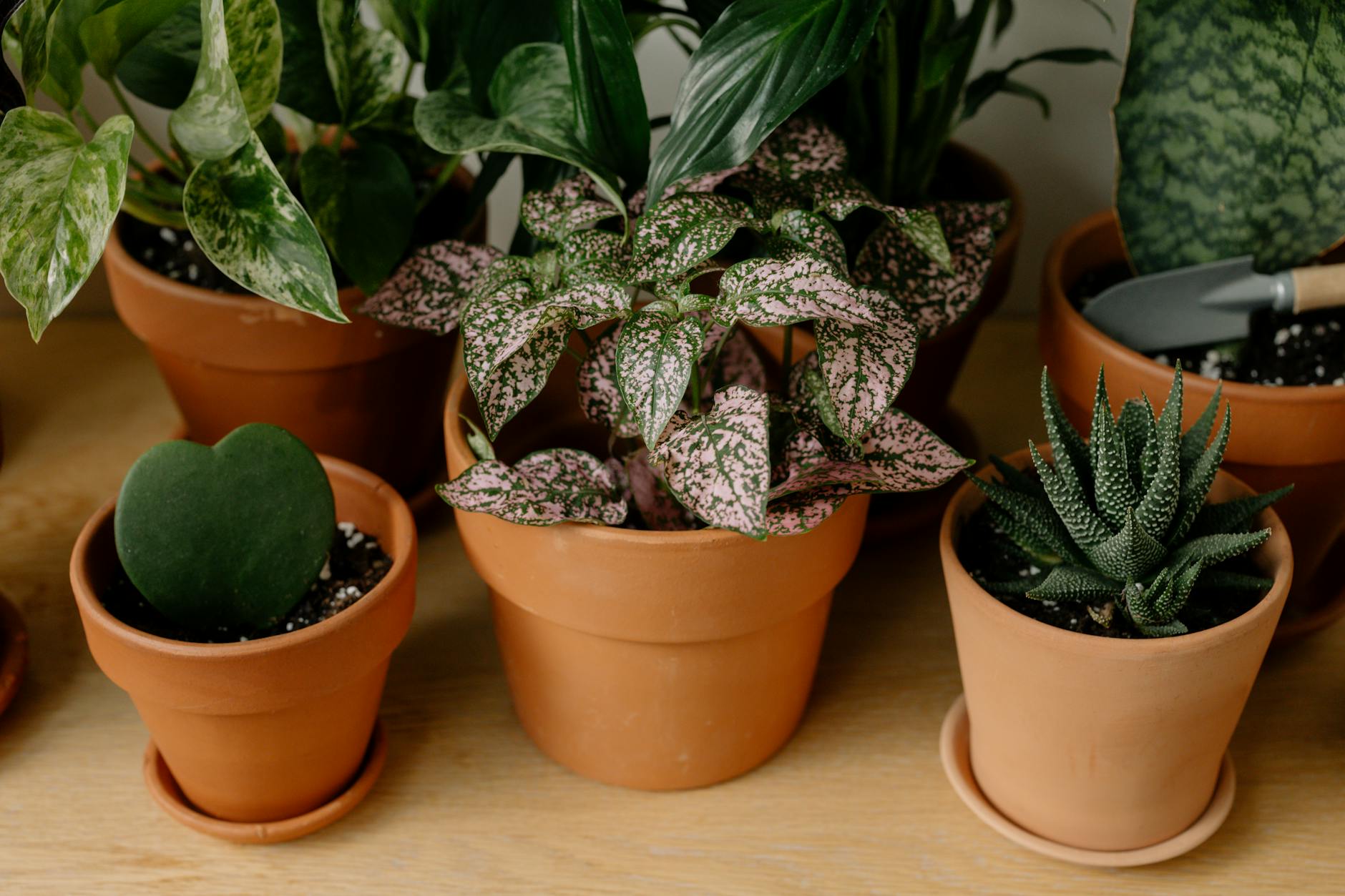
The most straightforward prevention method is eliminating saucers entirely or using waterproof barriers. Instead of traditional saucers, use plant trays with raised edges that collect excess water without allowing direct access—think of sealed plant stands or shelving units elevated above your cat’s normal roaming height. For lightweight plants, consider mounting them on shelves or using hanging planters that keep saucers completely out of reach. If you must use saucers for water drainage, empty them within two to three hours of watering and never leave them sitting overnight.
This simple discipline removes the temptation and eliminates bacterial growth. As a comparison, this is similar to how you’d manage a water bowl left outside: you wouldn’t expect it to remain safe for your cat after sitting in sun or rain for extended periods. You should apply the same principle to plant saucers. Another practical strategy is providing your cat with multiple fresh water bowls in high-traffic areas—cats often prefer running water or water that’s distinct from their main feeding area, so a fountain-style bowl can redirect drinking behavior away from plants entirely.
Signs Your Cat Has Ingested Contaminated Saucer Water
If your cat has drunk from a plant saucer, watch for vomiting within 12 to 24 hours, diarrhea, loss of appetite, or unusual lethargy. Acute toxicity from fertilizer or pesticide exposure can cause drooling, tremors, or abdominal pain—these warrant immediate veterinary attention. However, the warning is that chronic, low-level exposure from occasional saucer drinking may produce subtle symptoms: mild vomiting once or twice a week, or slightly elevated kidney values in bloodwork that you might not connect to plant saucer water.
Long-term saucer drinking can accumulate toxins in your cat’s system without obvious acute symptoms. Kidney function degrades gradually, and by the time you notice drinking more water or using the litter box more frequently—classic signs of kidney compromise—significant damage may have already occurred. This is particularly concerning in cats over 10 years old, whose kidneys are already vulnerable to age-related decline.
Choosing Cat-Safe Alternatives for Indoor Gardening
If you want to keep houseplants in your home while ensuring your cat’s safety, select plants that are non-toxic to cats and use elevated planters with sealed water management systems. Non-toxic options include spider plants, Boston ferns, African violets, and parlor palms—all of which thrive indoors without posing poisoning risks.
Pair these plants with self-watering planters that have enclosed reservoirs, keeping saucer water completely inaccessible. Alternatively, grow plants in rooms your cat doesn’t frequent, using baby gates or closed doors to create plant-free zones. A dedicated plant shelf or sunroom keeps your gardening hobby separate from your cat’s living space, eliminating the saucer risk entirely while allowing you to use any fertilizer or pest treatment you choose without worrying about feline exposure.
Hydration Habits and Long-Term Cat Health
Understanding that saucer water is unsafe leads to a broader recognition of how critical proper hydration is for cats. Cats naturally have a low thirst drive compared to dogs, which is why kidney disease and urinary issues are so common in feline populations.
By providing multiple, easily accessible sources of fresh, clean water—and removing contaminated alternatives like plant saucers—you’re supporting your cat’s kidney function and overall longevity. Forward-looking, as more cat owners recognize the link between hydration quality and chronic disease prevention, multi-station water systems and elevated feeding/watering areas are becoming standard in cat-forward home design.
Conclusion
Plant saucers pose a genuine health risk to cats due to fertilizer residue, bacterial growth, pesticide accumulation, and potential plant toxins. The safest approach is to either eliminate saucers, empty them promptly after watering, or keep them elevated out of your cat’s reach.
None of these strategies requires sacrificing your houseplants—it simply requires viewing saucer water as the contaminated source it is rather than as an acceptable alternative water supply. By taking these preventive steps, you’re protecting your cat’s kidneys, digestive system, and long-term health. If your cat has been regularly accessing plant saucers and showing any signs of illness, a veterinary checkup including bloodwork can catch early kidney or toxin-related damage before it becomes irreversible.
Frequently Asked Questions
Is rainwater that’s collected in a plant saucer safe for cats to drink?
No. Even though rainwater itself may be relatively clean, once it sits in a plant saucer, it absorbs fertilizer, bacteria, algae, and plant particles. The saucer environment contaminates the water within hours.
My cat has drunk from plant saucers occasionally for months with no visible symptoms. Is he okay?
Occasional exposure may not cause acute illness, but it can contribute to chronic, low-level toxicity that damages organs gradually. A veterinary exam with bloodwork can assess kidney and liver function to catch damage early.
Are organic fertilizers in plant saucer water safer for cats than synthetic fertilizers?
Not necessarily. While organic fertilizers may be less acutely toxic, they still create bacterial growth and concentrate in saucer water. The real issue is the stagnant water environment, not the fertilizer type.
What’s the fastest way to stop my cat from drinking out of plant saucers?
Remove the saucers or elevate the plants completely out of reach. Adding more water bowls in convenient locations can also redirect your cat’s drinking behavior toward safe alternatives.
Can I treat plant saucer water with additives to make it safe for cats?
No. There’s no practical way to treat sitting saucer water to make it safe. The best approach is preventing access entirely rather than attempting to salvage contaminated water.
Does a cat need to drink from every available water source?
No. Cats naturally regulate their water intake. If you remove plant saucers and provide fresh water bowls in multiple locations, your cat will drink adequately from the safe sources available.