
is it safe for cats to eat mango

Yes, cats can safely eat mango in small, controlled amounts. Mango is non-toxic to cats and contains beneficial vitamins and fiber, making it a…
Cat food, diet, nutrition, and feeding guides
Browse →578 guidesCat safety, hazards, and poison prevention
Browse →228 guidesCat breeds, characteristics, and breed comparisons
Browse →134 guidesCat litter types, litter boxes, and bathroom habits
Browse →126 guidesCat health issues, diseases, symptoms, and veterinary care
Browse →92 guidesCat pregnancy, birth, and breeding information
Browse →Cat Health, Behavior and Care Guides
Yes, cats can safely eat mango in small, controlled amounts. Mango is non-toxic to cats and contains beneficial vitamins and fiber, making it a…
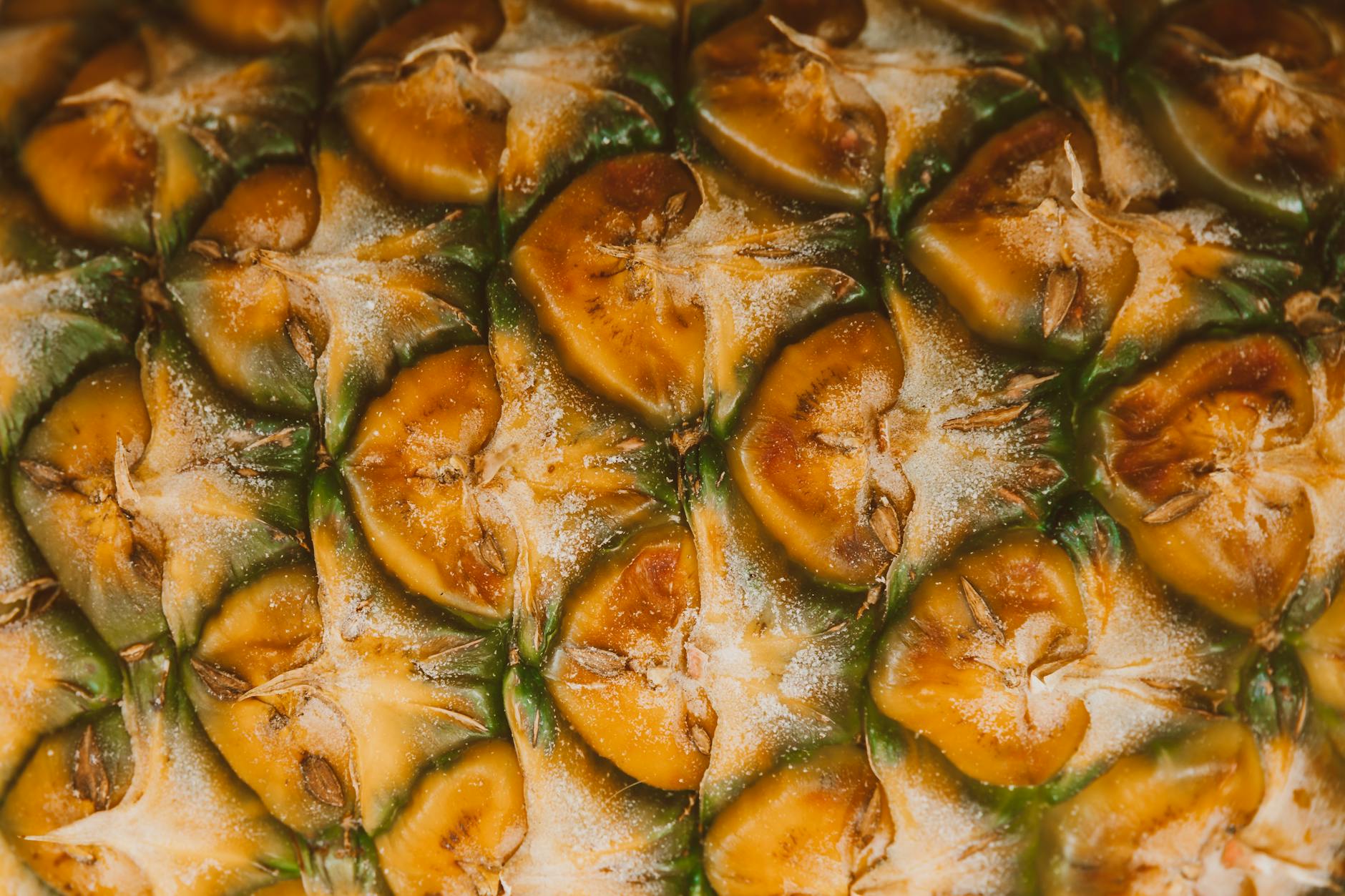
Yes, cats can eat pineapple in small quantities, and it is generally safe for them to do so. Fresh pineapple contains no toxic compounds that would harm…
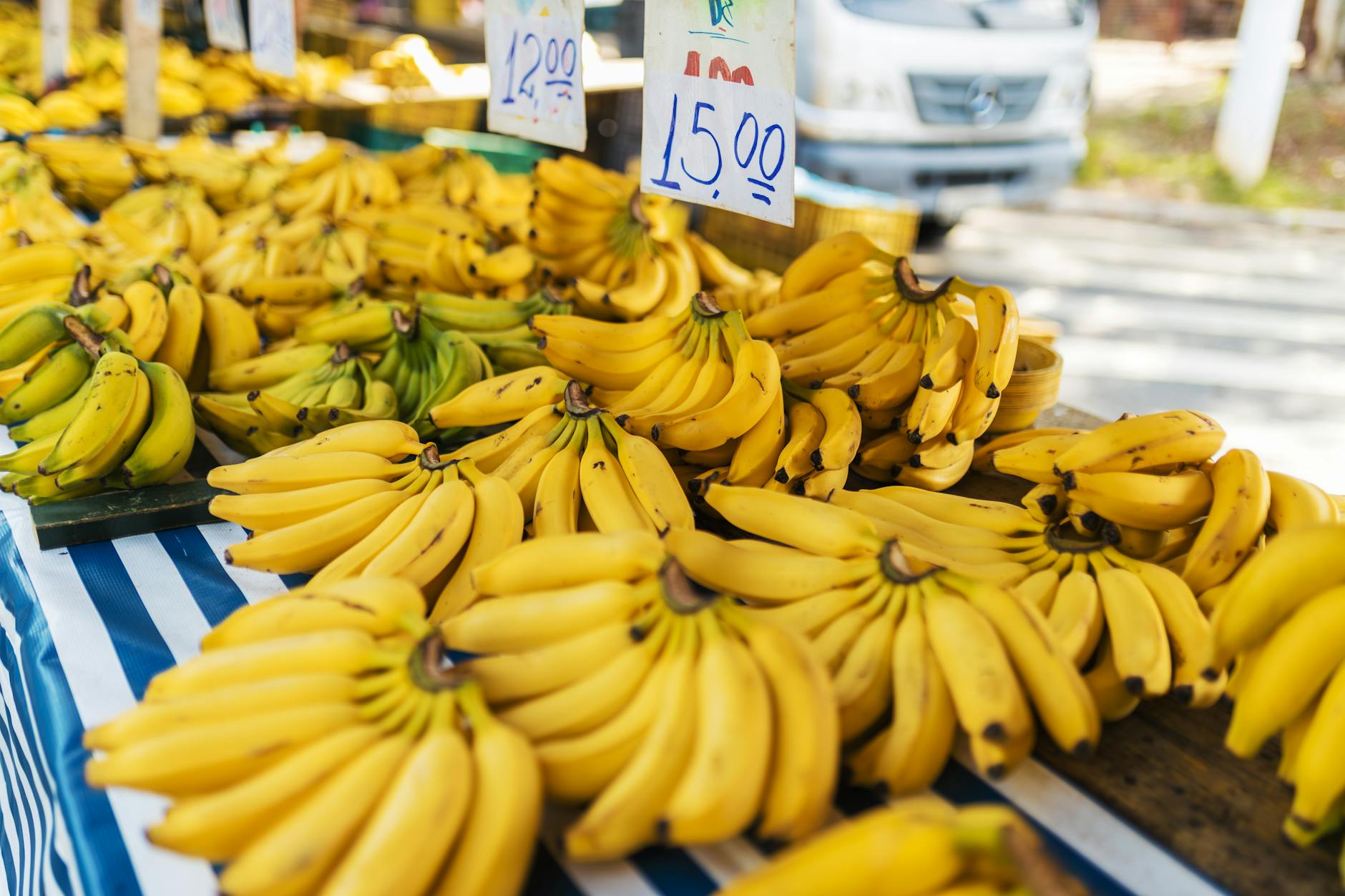
Yes, cats can safely eat bananas in small quantities, but they rarely benefit from this fruit and many cats show no interest in it.

Apple peels are generally safe for cats in small quantities, though they offer minimal nutritional benefit and carry some minor risks that make them…
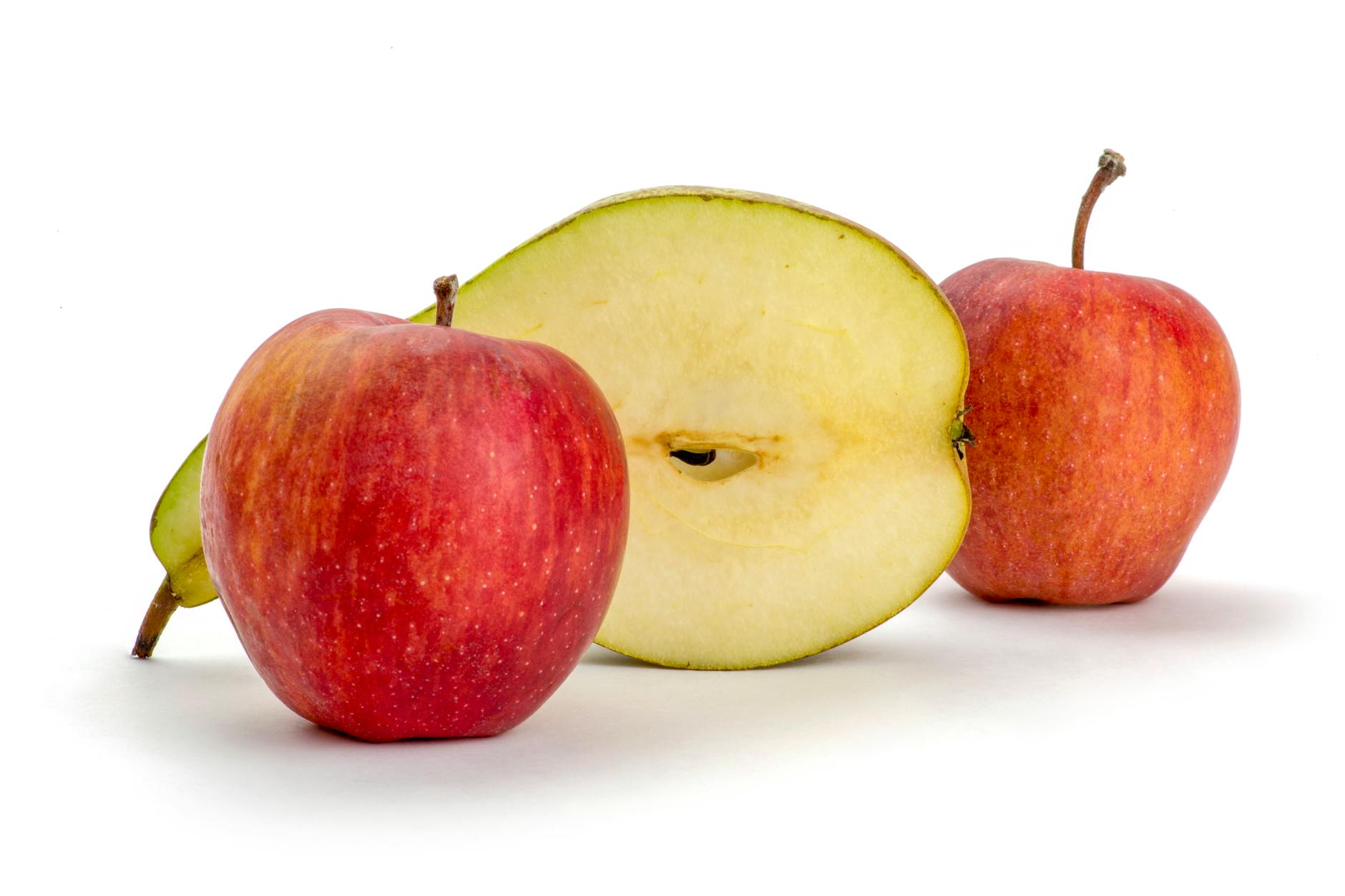
Yes, it is safe for cats to eat apples without skin in small, occasional amounts. Apples themselves are not toxic to cats, and removing the skin…
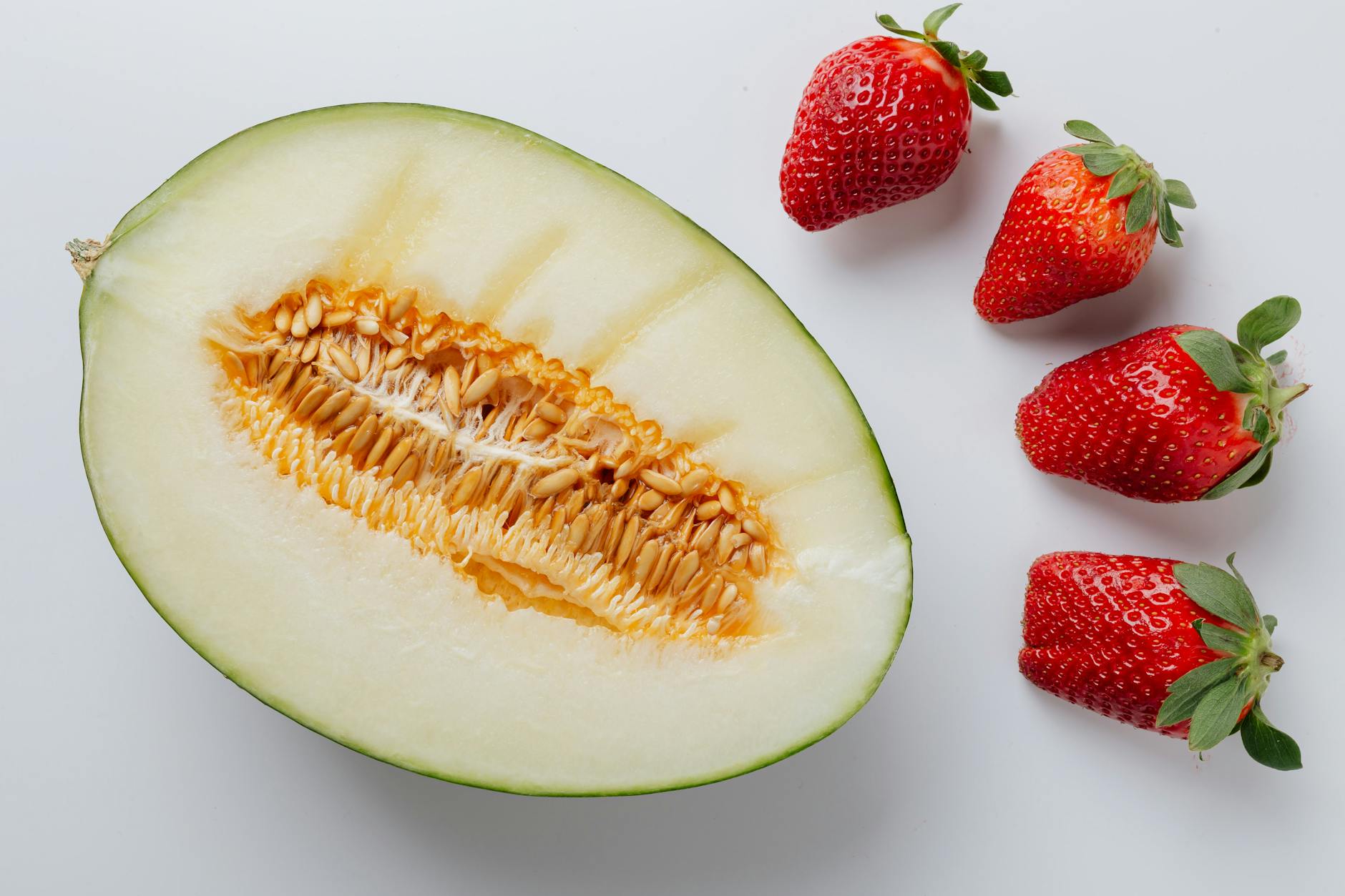
Yes, it is safe for cats to eat small amounts of honeydew melon, provided it’s prepared properly and offered only occasionally.
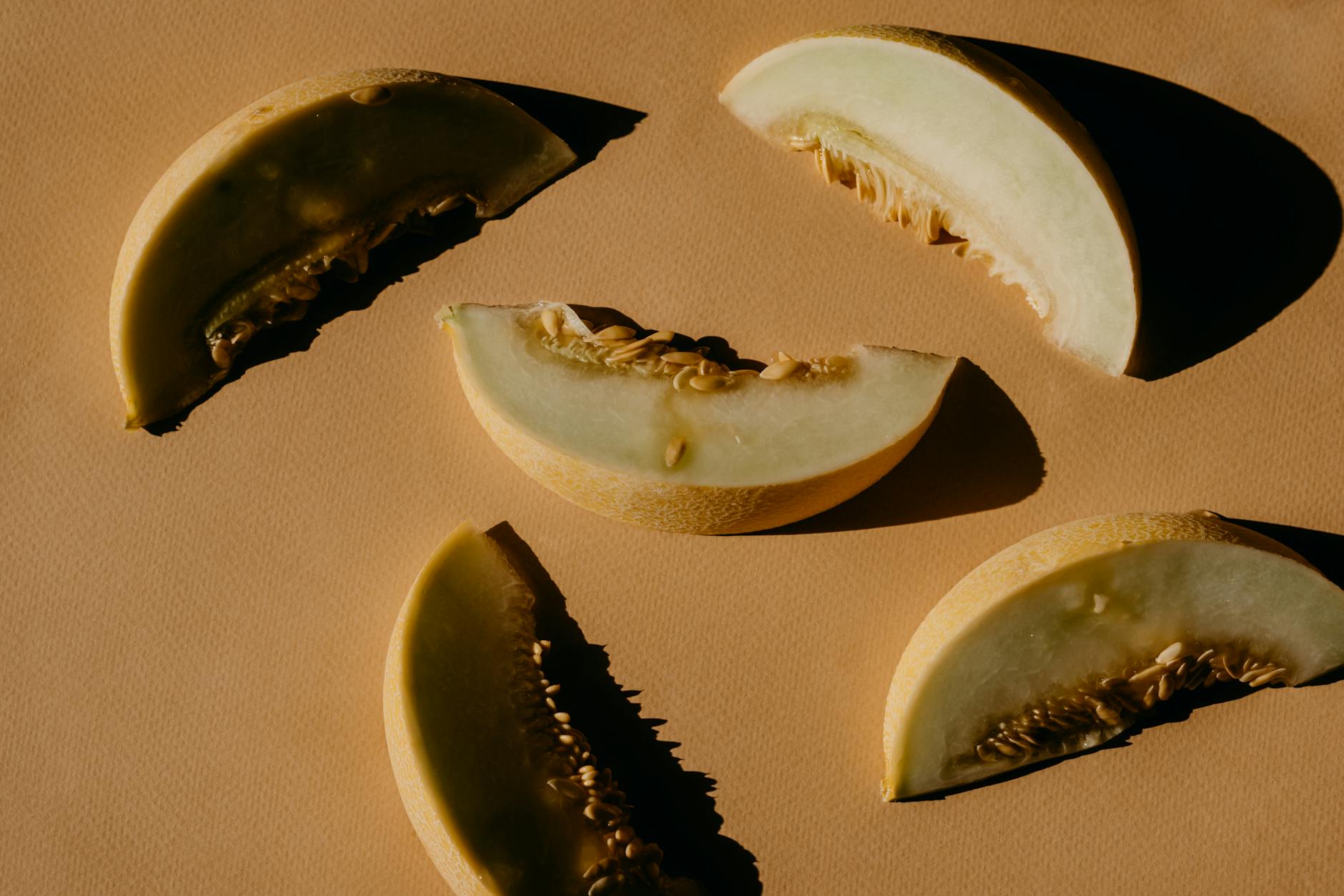
Yes, cantaloupe is generally safe for cats to eat in small amounts, and it can actually be a refreshing treat during hot months.
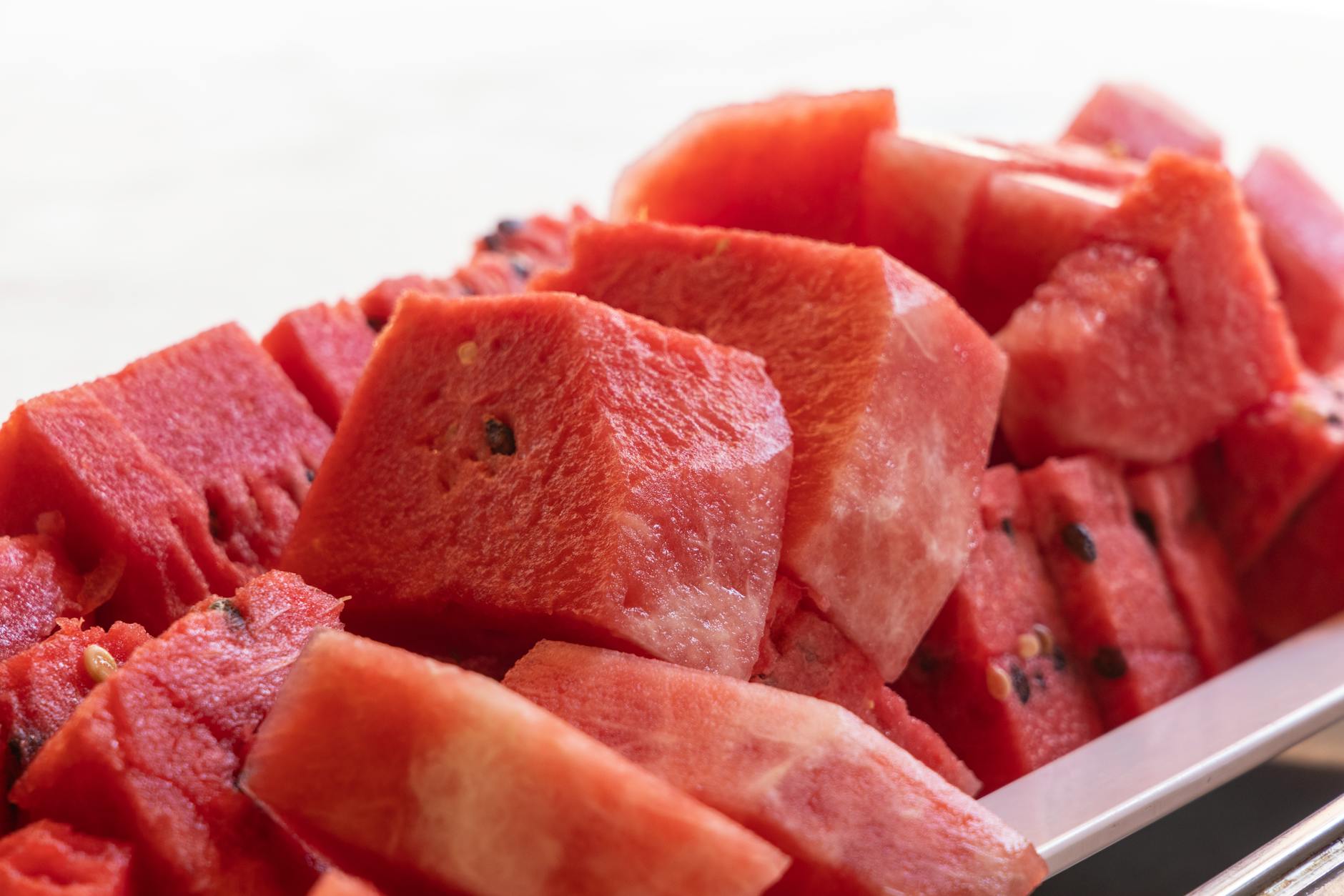
Yes, cats can safely eat small amounts of watermelon in moderation. Watermelon is not toxic to cats and contains mostly water, which can be beneficial…
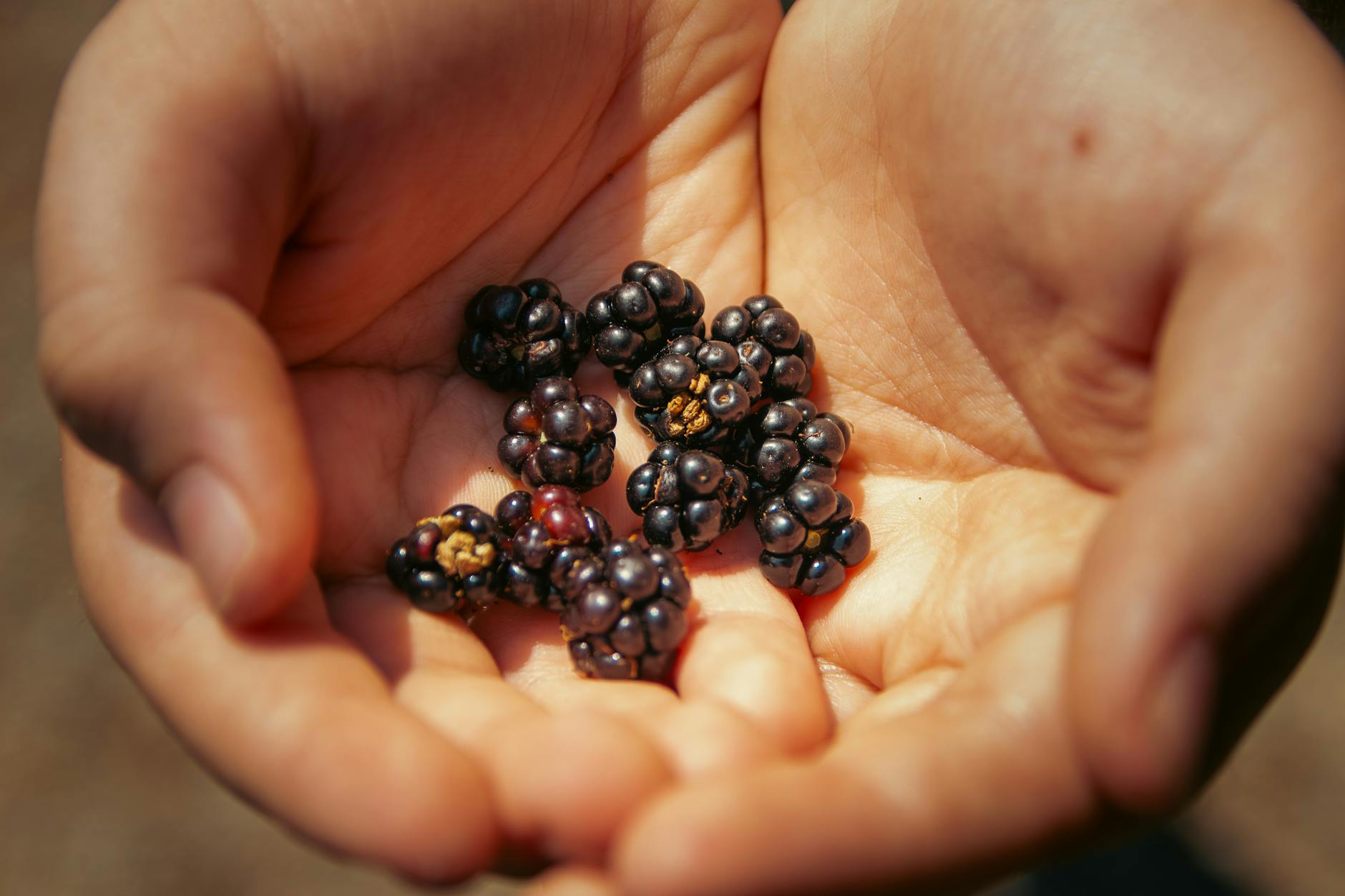
Yes, cats can safely eat blackberries in small quantities, but they should not be a regular part of their diet.

Yes, raspberries are safe for cats to eat in small quantities. Unlike many fruits that pose serious health risks to felines, raspberries contain no toxic…