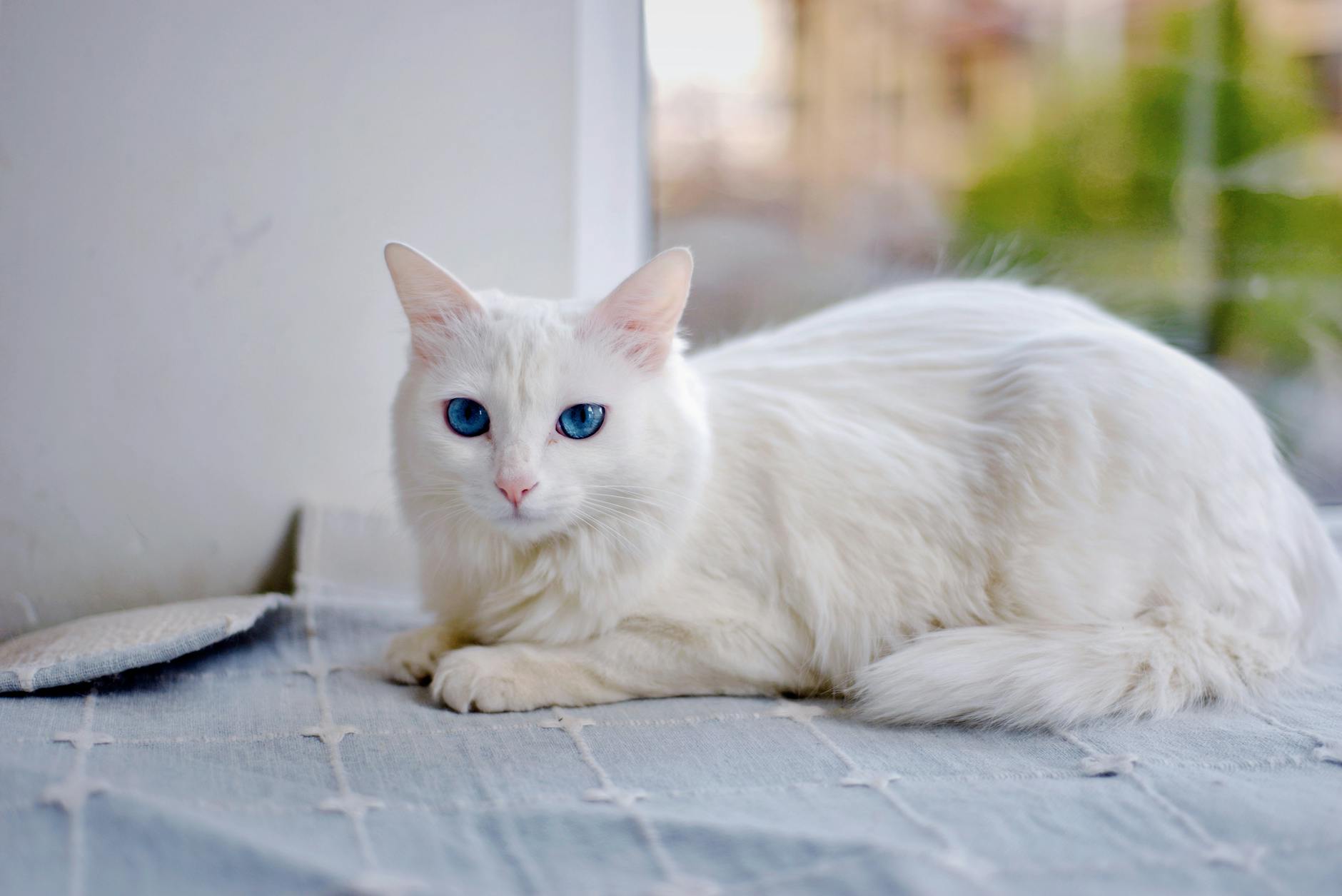
The Ragdoll is widely recognized as the calmest blue-eyed cat breed, prized by cat owners for its exceptionally docile and serene temperament. Developed in the 1960s by American breeder Ann Baker, the Ragdoll earned its name from its distinctive behavior of going completely limp and relaxed when picked up—a trait that encapsulates their overall calm and easygoing nature. These large, striking cats with their brilliant blue eyes have become one of the most sought-after breeds for families and individuals seeking a gentle, affectionate feline companion. The hallmark characteristic that sets Ragdolls apart from other blue-eyed cat breeds is their unusually dog-like personality.
Unlike many cats that maintain independence and emotional distance, Ragdolls actively seek out human interaction, often following their owners from room to room and greeting them at the door like a loyal dog would. This combination of physical relaxation, emotional openness, and consistent affection makes them exceptionally calm compared to more aloof or energetic cat breeds. What makes the Ragdoll particularly suitable for households seeking a calm feline is their predictable, non-aggressive nature. They rarely resort to scratching during play, prefer gentle interaction to rough handling, and adapt well to various living situations, making them ideal for both busy families and quiet homes where tranquility is valued.
Table of Contents
- Why Do Ragdolls Have Those Striking Blue Eyes?
- Understanding the Ragdoll’s Uniquely Calm Temperament
- The Physical Presence of a Calm Companion
- Grooming Requirements and the Trade-off of Ownership
- Health Considerations and Genetic Limitations
- Behavioral Characteristics That Support Calmness
- The Ragdoll’s Future as a Model for Calm Companionship
- Conclusion
Why Do Ragdolls Have Those Striking Blue Eyes?
Ragdoll cats owe their distinctive large, round blue eyes to a specific genetic factor responsible for their pointed color pattern. This same gene that creates the color points on their ears, face, paws, and tail also determines the blue eye coloration that defines the breed’s appearance. The eyes are typically a deep, vivid blue that intensifies as the cat matures, giving Ragdolls their characteristic piercing gaze. All purebred Ragdolls are born with blue eyes, though some individual variation in shade can occur.
This consistency differs from many other cat breeds where blue eyes are less common or require specific color genetics. The breed standard specifically mandates blue eyes as a defining characteristic, which means when you select a Ragdoll, you’re virtually guaranteed the stunning blue-eyed appearance the breed is famous for. This predictability is one reason why people seeking calm, blue-eyed cats often immediately turn to Ragdolls rather than searching through other breeds. The genetic stability of the Ragdoll’s eye color also reflects the breed’s overall genetic consistency regarding temperament. The same selective breeding that established the striking blue eyes also solidified the breed’s notably calm disposition, creating a direct link between appearance and personality traits that has remained stable across generations.
Understanding the Ragdoll’s Uniquely Calm Temperament
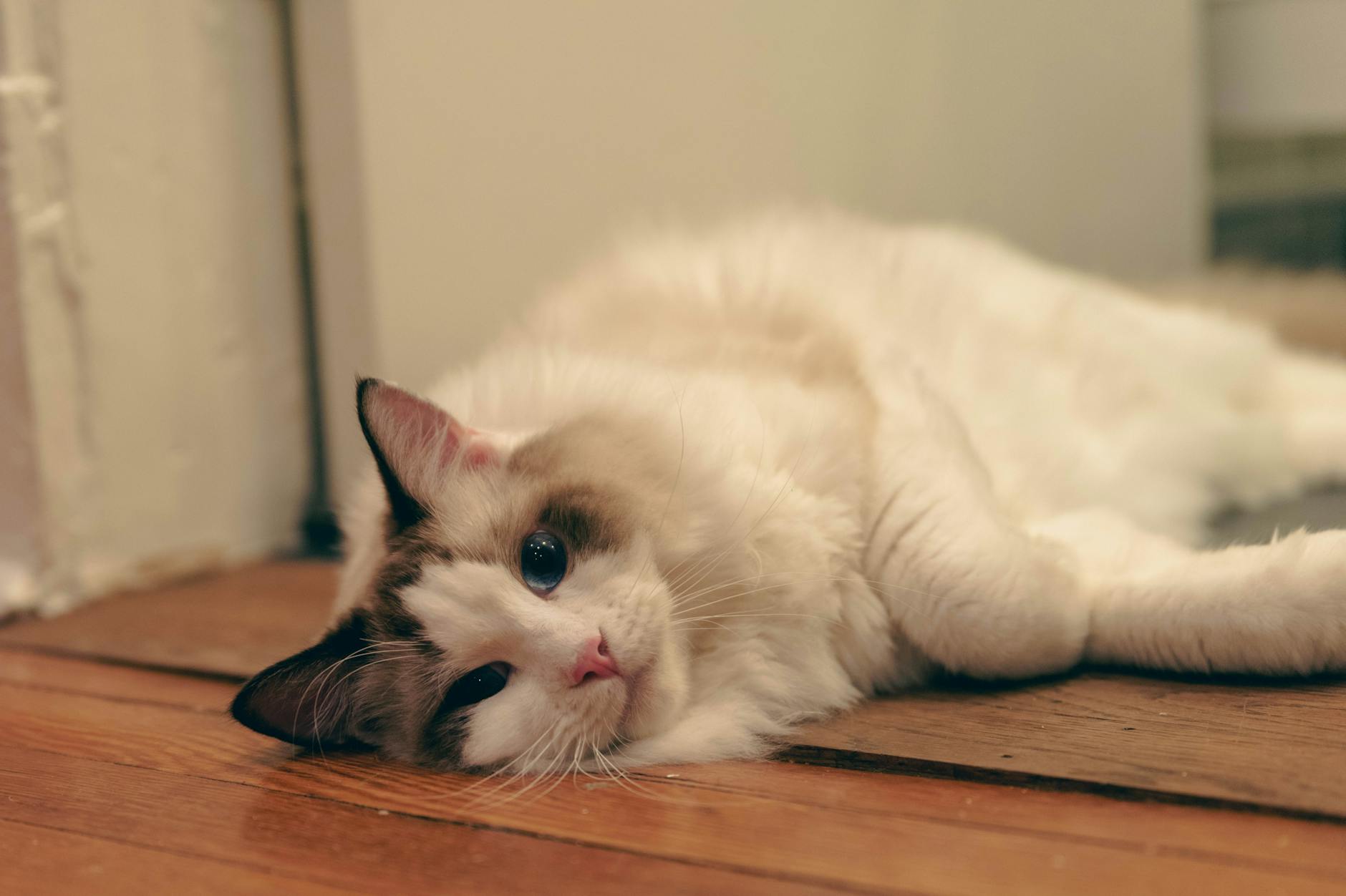
What distinguishes the Ragdoll’s calm nature from other cat breeds is their almost unprecedented willingness to be handled and their complete absence of defensiveness. When a Ragdoll is picked up, it doesn’t struggle or resist—instead, it goes limp in your arms, its body completely relaxing as if you’re holding a soft rag doll. This behavior extends beyond just tolerating handling; Ragdolls genuinely seem to enjoy physical contact and will actively solicit being held, petted, and cuddled in ways that most other cat breeds do not. This exceptional calmness comes with an important caveat: Ragdolls’ passivity, while making them ideal companions, also means they cannot defend themselves well against aggressive animals or rough handling from small children.
Their tendency to go limp and not fight back can be a disadvantage in households with rowdy pets or toddlers who haven’t learned gentle handling. Owners need to actively manage the Ragdoll’s environment to protect them from situations where their peaceful nature could lead to injury. The temperament also means Ragdolls are less suited to environments where they’ll be left alone for extended periods. These “puppy cats” thrive on constant human interaction and can develop separation anxiety if regularly ignored. Unlike some independent breeds that actually prefer solitude, Ragdolls are at their calmest and happiest when they have regular human companionship and attention throughout the day.
The Physical Presence of a Calm Companion
Beyond temperament, the Ragdoll’s large size contributes to their overall calm presence in a household. Adult male Ragdolls typically weigh between 12 and 20 pounds or more, while females range from 8 to 15 pounds, making them one of the largest domestic cat breeds. This substantial size means they move with a deliberate, measured quality rather than the frenetic energy of smaller, lighter cats. Their weight makes them less likely to suddenly pounce or engage in hyperactive play, and their presence on a lap feels comforting and stable rather than disruptive.
A practical example of how size relates to calmness: when a typical 8-pound cat jumps from a shelf, it creates little disturbance, but a calm Ragdoll is less likely to make that jump in the first place. Their larger frame seems to promote a more sedentary lifestyle, with Ragdolls content to lounge in sunlit spots for hours rather than scaling furniture or engaging in the acrobatic antics common in smaller, more agile breeds. This size advantage also means Ragdolls are heavy enough that picking them up requires deliberate intention from children and adults alike, creating a natural brake on rough, impromptu handling. The cat’s weight commands respect and careful movement, which works in harmony with their calm disposition to create a peaceful dynamic in the home.

Grooming Requirements and the Trade-off of Ownership
One of the pleasant surprises for Ragdoll owners is that despite their long, luxurious coats, these cats actually shed significantly less than many long-haired breeds. This is because Ragdolls lack the dense undercoat found in breeds like Persians or Maine Coons. However, they do still require regular maintenance—brushing at least twice weekly is essential to prevent matting and to keep their coat healthy and beautiful. The grooming requirement represents a trade-off in Ragdoll ownership. The trade-off is straightforward: by committing to twice-weekly brushing sessions, you not only maintain their appearance but also create additional bonding time with your calm, patient companion.
Unlike more aggressive breeds that might resist grooming, Ragdolls typically sit contentedly while being brushed, often purring and enjoying the physical contact. This makes grooming less of a chore and more of an opportunity to deepen your connection with your cat. The brushing routine also serves a practical purpose beyond aesthetics. Regular grooming allows you to monitor your cat’s skin condition, check for parasites, and catch any health issues early. For someone seeking a calm cat, the low-stress grooming sessions with a Ragdoll are far preferable to wrestling with a resistant, anxious cat during necessary maintenance.
Health Considerations and Genetic Limitations
Ragdolls are generally healthy cats with reasonable lifespans of 12 to 17 years, though this is one area where the breed’s calm nature requires attention. Because Ragdolls are so content to remain stationary, they have a tendency toward obesity if their food intake isn’t carefully monitored. An overweight Ragdoll will become increasingly sedentary, creating a downward spiral where the cat moves less and gains more weight. Owners must actively manage their Ragdoll’s diet and encourage gentle play to maintain a healthy weight.
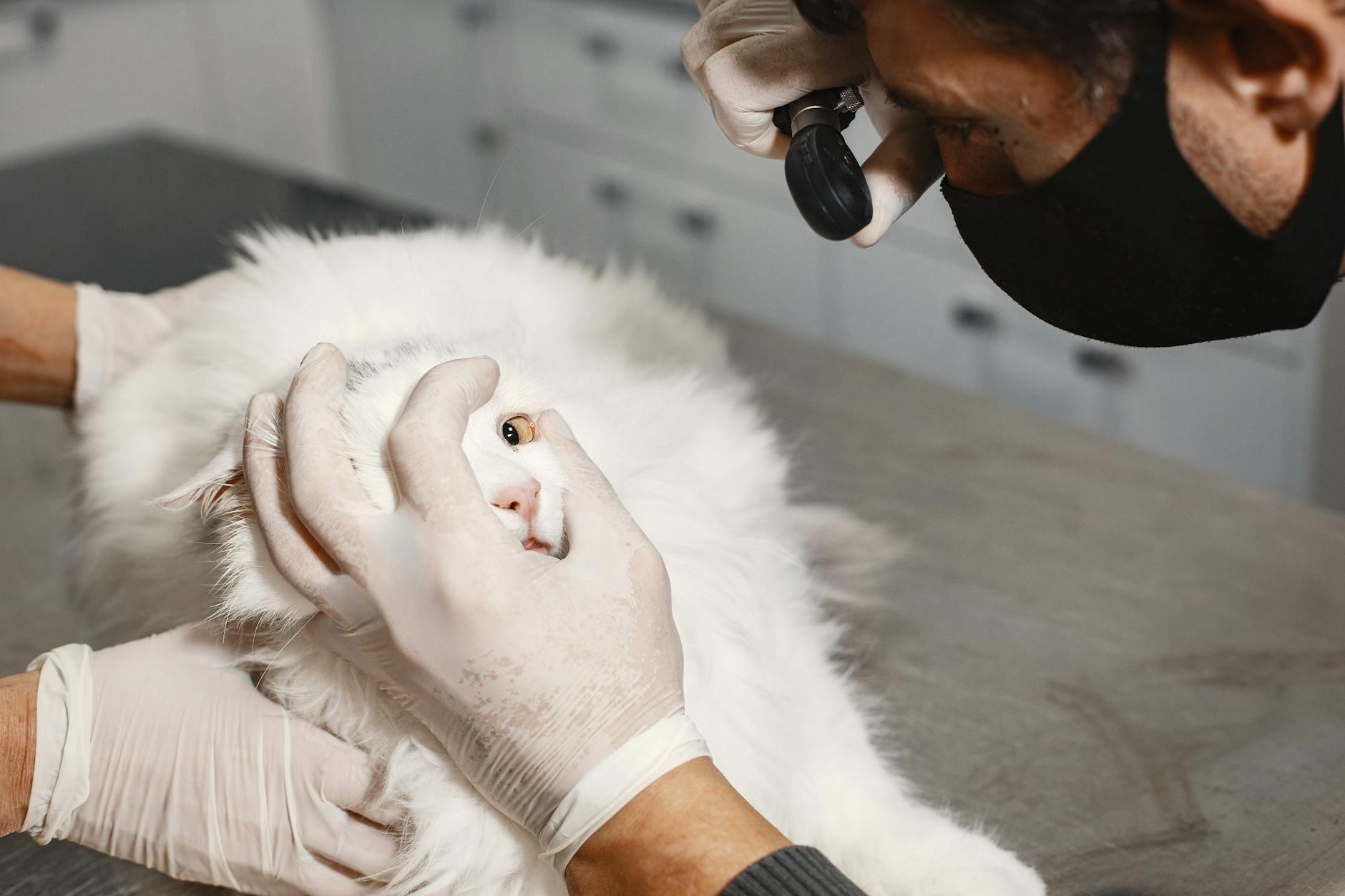
Another limitation to consider is that Ragdolls are prone to hypertrophic cardiomyopathy (HCM), a heart condition that can affect some lines of the breed. Before acquiring a Ragdoll, responsible buyers should request genetic testing results from breeders to ensure the kitten’s parents have been screened for this condition. This isn’t a reason to avoid the breed, but rather a reminder that their calm, gentle nature doesn’t exempt them from requiring proper veterinary care and genetic awareness. The breed’s blue eyes also require attention in sunny environments. While the blue eye color itself doesn’t cause problems, Ragdolls’ eyes may be more sensitive to bright light, and they should have access to shaded areas to prevent discomfort during peak daylight hours.
Behavioral Characteristics That Support Calmness
The Ragdoll’s calm demeanor extends into their communication style. These cats are notably quiet compared to many breeds, rarely engaging in loud vocalizations or the persistent meowing characteristic of breeds like Siamese. Instead, they communicate through soft chirps, gentle mewing, and primarily through body language and physical proximity.
This quiet nature contributes significantly to the overall serene atmosphere a Ragdoll brings to a household. Ragdolls also display unusual loyalty for a feline. They often recognize individual family members and will greet specific people differently, showing preference for certain individuals without being aggressive toward others. For example, a Ragdoll might position itself near a child while they do homework, then migrate to sit with a parent during evening television time, actively choosing where to place their calm, comforting presence.
The Ragdoll’s Future as a Model for Calm Companionship
As modern life becomes increasingly stressful and fast-paced, the Ragdoll breed’s popularity continues to grow among individuals and families seeking calm, stable companionship. Their combination of striking appearance, manageable care requirements, and genuinely peaceful disposition makes them increasingly sought after—sometimes to the point where ethical breeding concerns arise due to high demand.
Looking forward, the Ragdoll’s defining characteristics are likely to remain consistent, as responsible breeders maintain the temperament standards that made the breed famous. For anyone considering adding a calm, affectionate blue-eyed cat to their household, the Ragdoll represents a breed that reliably delivers on the promise of peaceful companionship.
Conclusion
The Ragdoll stands as the preeminent calm, blue-eyed cat breed, distinguished by its limp, relaxed demeanor when handled, dog-like loyalty, and genuinely peaceful disposition. The breed’s large size, striking blue eyes, and consistent gentle temperament create a cat that genuinely enjoys human companionship while remaining remarkably unflustered by household activity.
Their combination of low aggression, high affection, and minimal vocalization makes them exceptional for creating a tranquil home environment. If you’re considering welcoming a calm, blue-eyed feline companion into your life, the Ragdoll represents a reliable choice backed by decades of selective breeding for temperament stability. With appropriate attention to grooming, diet, and genetic health screening, a Ragdoll can provide years of serene, loving companionship that few other cat breeds can match.