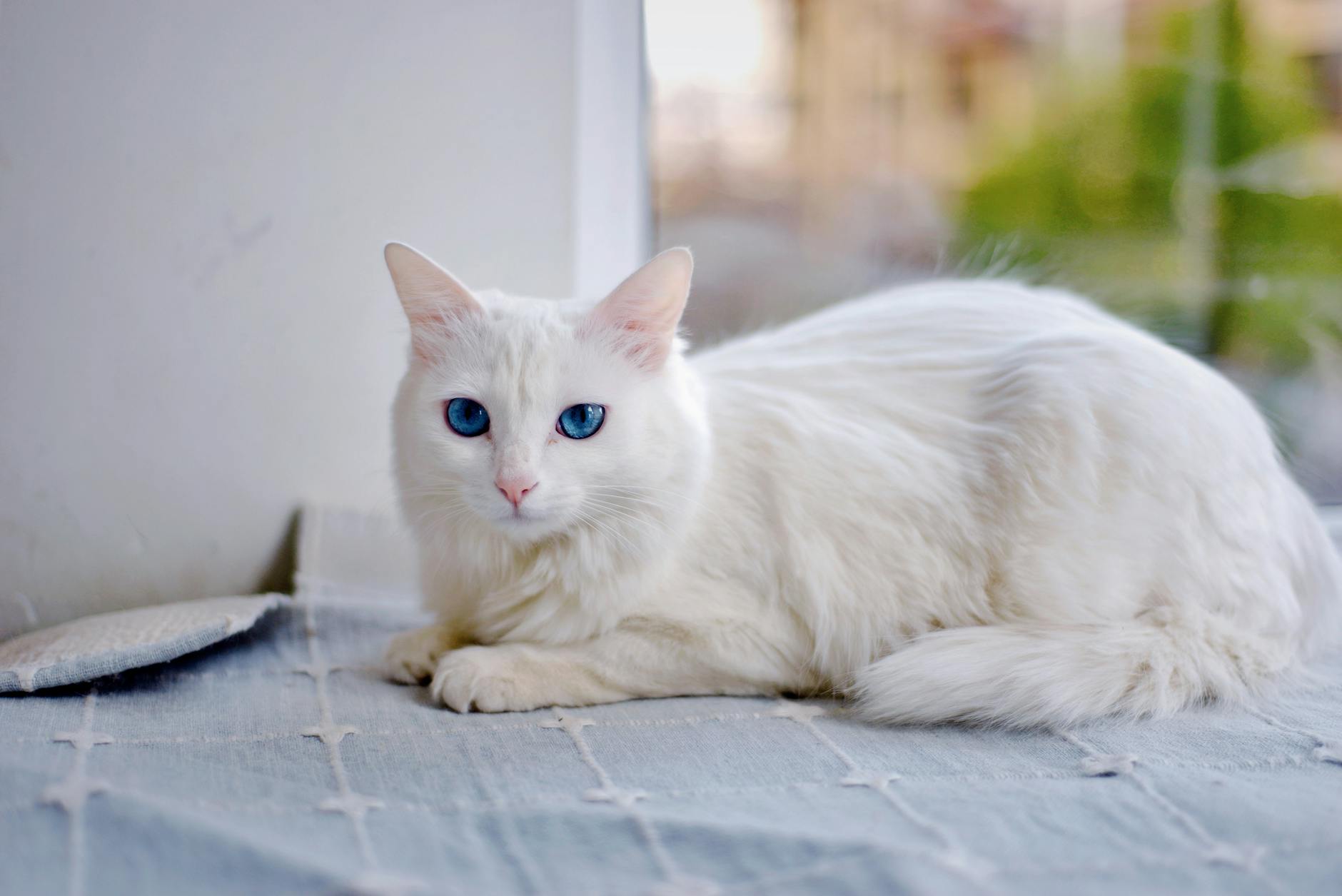
The blue-eyed cat breed most commonly mistaken for a Persian is the Himalayan cat, a distinct breed created by deliberately crossing Persians with Siamese cats beginning in the 1930s. Himalayans share the Persian’s luxurious coat, robust body structure, and distinctive face, but they carry the striking blue eyes and point coloration inherited from their Siamese ancestry. If you’ve seen a cat that looks exactly like a long-haired Persian but with sapphire blue eyes and darker coloring on its face, ears, paws, and tail, you’ve likely encountered a Himalayan.
However, the answer depends on how specific your question is. Pure Persian cats also come in blue-eyed varieties—including elegant white Persians with blue eyes and bicolor Persians approved for championship status by the Cat Fanciers’ Association. Beyond these, several other breeds share the Persian’s luxurious appearance alongside striking blue eyes: Birmans, with their distinctive sapphire gaze and silky coats; and Ragdolls, large cats with blue eyes and semi-long coats that blend Persian, Birman, and Burmese genetics.
Table of Contents
- How Are Himalayans Related to Persians?
- Appearance and Physical Characteristics of Blue-Eyed Persian-Type Breeds
- Other Blue-Eyed Breeds with Persian-Like Features
- Grooming and Maintenance: Choosing the Right Blue-Eyed Breed
- Health Considerations and Breed-Specific Concerns
- Temperament Differences Among Blue-Eyed Breeds
- Where Do You Find These Breeds and What to Expect
- Conclusion
How Are Himalayans Related to Persians?
Himalayans are not a coincidence—they represent a deliberate breeding project that began at Harvard University in the 1930s and was published in the Journal of Heredity in 1936. Breeders aimed to create a cat with the Persian’s commanding presence and long coat but with the Siamese’s distinctive blue eyes and pointed color pattern. The result is a cat that is genetically and physically intermediate between the two breeds, though closer to the Persian in body type and overall appearance.
The relationship between Himalayans and Persians remains contested among cat associations. The Cat Fanciers’ Association (CFA) and the Governing Council of the Cat Fancy (GCCF) classify Himalayans as color variants of Persians rather than a separate breed, reflecting their genetic proximity. However, The International Cat Association (TICA) and the American Cat Fanciers’ Association (ACFA) recognize Himalayans as a distinct breed. This classification difference matters for show competitions but doesn’t change the practical reality: Himalayans are essentially engineered Persians designed to meet specific aesthetic criteria.

Appearance and Physical Characteristics of Blue-Eyed Persian-Type Breeds
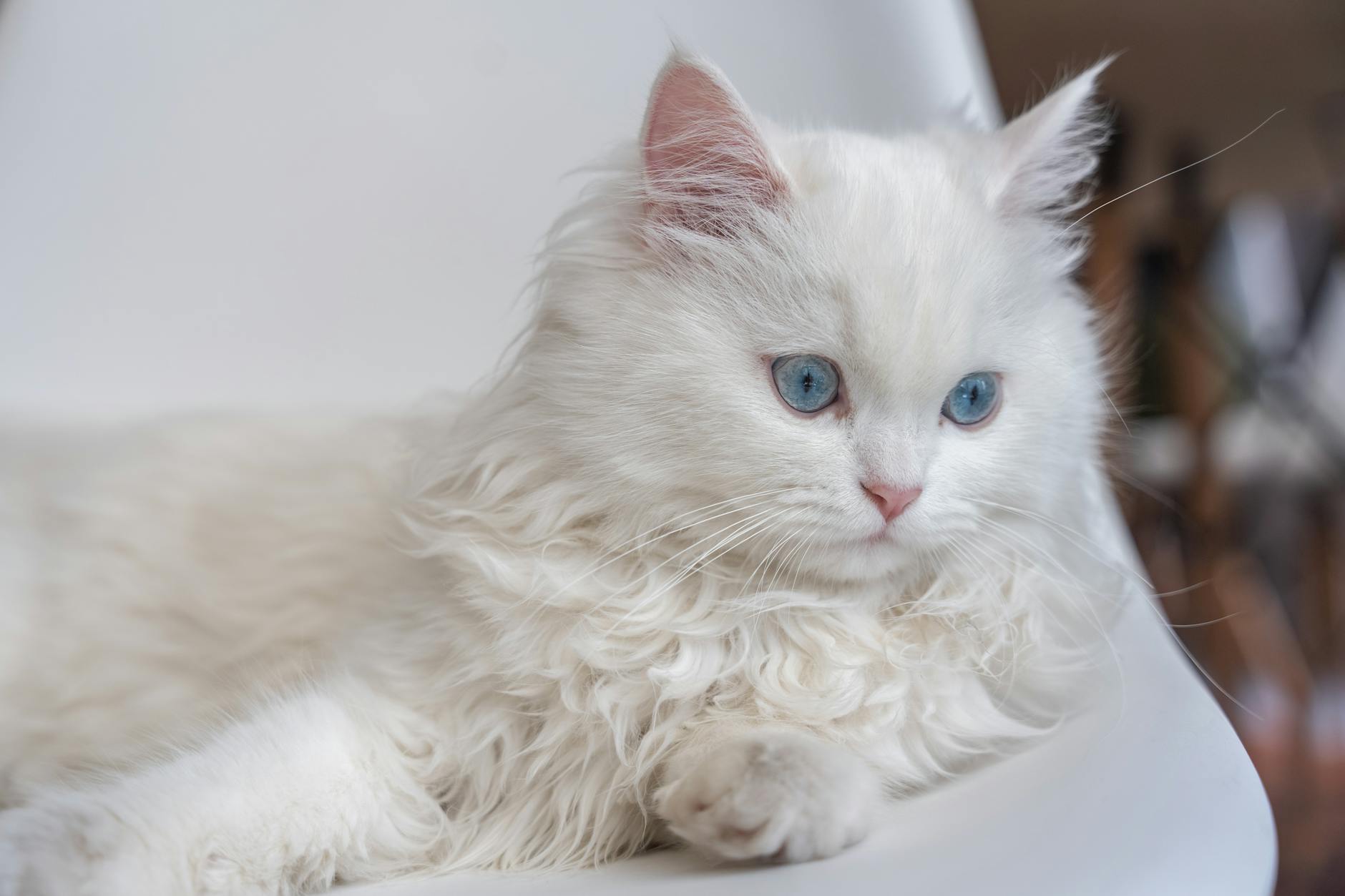
Blue-eyed cats resembling Persians typically display several consistent physical markers. Himalayans have the heavy, stocky body of a Persian, a broad chest, short sturdy legs, and the same flat or pug-like face. Their coats are long, thick, and dense—requiring the same daily grooming commitment as full Persians. The point coloration creates a striking visual contrast: their bodies remain cream, white, or light-colored while their face, ears, paws, and tail deepen to seal, chocolate, blue, or lilac tones.
A critical limitation to understand is that blue-eyed cats resembling Persians often share the Persian breed’s grooming demands and associated challenges. Himalayans require daily brushing to prevent matting and maintain coat health, just as Persians do. Owners sometimes underestimate this commitment, leading to neglected coats and skin problems. Additionally, the flat-faced structure that gives these breeds their distinctive appearance can contribute to respiratory issues and eye drainage problems—conditions more pronounced in Persians but present in Himalayans as well.
Other Blue-Eyed Breeds with Persian-Like Features
If you’re looking beyond Himalayans, the Birman cat offers a compelling alternative for those seeking blue eyes and a Persian-like appearance. Birmans are medium-sized cats with sapphire blue eyes and long, silky coats, though they likely descend from crosses involving Siamese, domestic long-haired cats, and possibly Persians. The key practical difference: Birmans have significantly less undercoat than Persians or Himalayans, making grooming substantially easier—typically two to three times per week rather than daily. Ragdolls represent another option, though they differ more substantially from true Persians.
All purebred Ragdoll cats have blue eyes, a signature trait of the breed. Created through mixing Persian, Birman, and Burmese genetics, Ragdolls are larger cats (females 8-15 pounds, males 12-20+ pounds) with soft, silky coats and pointed coloration similar to Himalayans. They’re known for their exceptionally docile, affectionate temperament—they often go limp when picked up, which inspired their breed name. While they have the blue eyes and some of the luxurious appearance of Persians, their body type is more muscular and athletic than the stocky Persian frame.
Grooming and Maintenance: Choosing the Right Blue-Eyed Breed
Deciding between a Persian-like blue-eyed cat should start with honest grooming capability assessment. Himalayans and Persians require identical daily brushing, professional grooming every 6-8 weeks, and meticulous eye and ear cleaning to manage their flat-faced structure’s natural drainage issues. This is not a casual commitment—professional grooming alone costs $50-100+ per session, and health issues from neglected grooming can be severe. Birmans offer a meaningful tradeoff.
They retain the elegant appearance and blue eyes without the extreme grooming burden. Two to three brushing sessions per week keeps their coat manageable, they require less frequent professional grooming, and their slightly less flat face means fewer respiratory and drainage complications. For someone drawn to the Persian aesthetic but concerned about maintenance, a Birman represents a practical compromise. Ragdolls fall between these extremes: their coats need regular but not daily attention, and their larger, sturdier frame makes them somewhat less prone to the health complications associated with extreme facial flattening.
Health Considerations and Breed-Specific Concerns
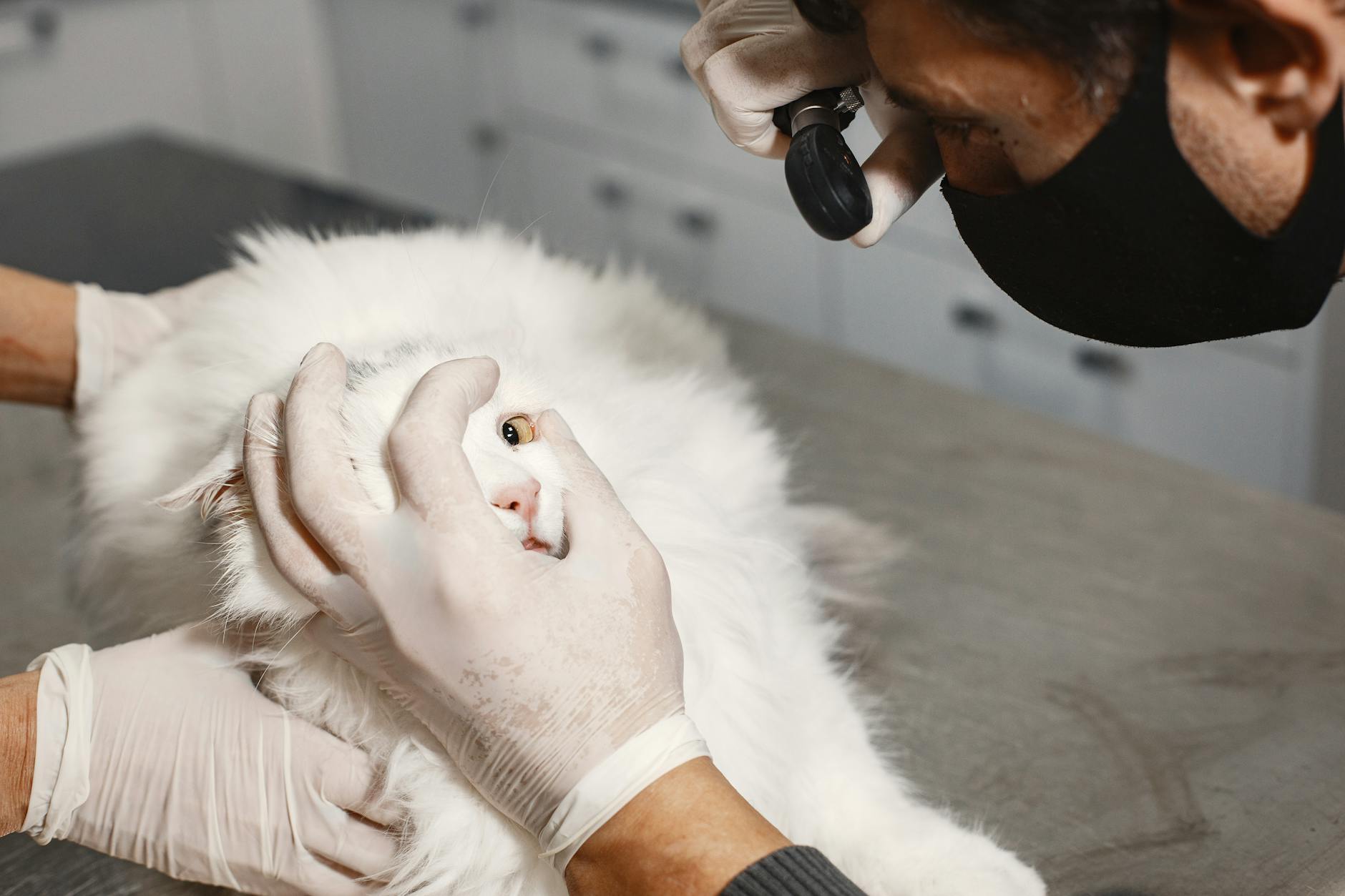
Blue-eyed Persian-type cats inherit certain health predispositions from their ancestry. The most common issue is progressive retinal atrophy (PRA) in pointed breeds, particularly Himalayans and Ragdolls—a gradual deterioration of the retina that can lead to blindness. Responsible breeders screen for this condition, but buyers should always request health certifications. Kidney disease, particularly polycystic kidney disease (PKD), appears in Persians and therefore in Himalayans; genetic testing can identify carriers before breeding.
Another limitation specific to flat-faced breeds: temperature sensitivity. Persians and Himalayans struggle in heat due to their compromised breathing efficiency. They require air-conditioned environments during warm months and are genuinely at risk during temperature extremes. Birmans and Ragdolls, with less extreme facial structure, handle temperature variation more gracefully. If you live in a hot climate or cannot reliably maintain cool indoor temperatures, a Persian-type blue-eyed cat may not be ideal despite their beauty.
Temperament Differences Among Blue-Eyed Breeds
While all these breeds make excellent companions, their personalities differ meaningfully. Himalayans tend to inherit the Persian’s relatively calm, patient temperament—they enjoy human company but are generally less demanding than Siamese cats. Birmans are similar but slightly more playful and social, often seeking active interaction rather than quiet companionship. Ragdolls are notably more affectionate and dog-like in behavior; many will follow their owners from room to room and seek constant physical contact, which appeals to some households but exhausts others.
Understanding these temperament differences helps match the right cat to the right home. A Himalayan suits someone seeking a beautiful, relatively independent companion with minimal vocalization. A Birman works for someone wanting moderate activity and social engagement. A Ragdoll is ideal for households with time for extended interaction and affection. Each breed’s blue eyes and luxurious appearance come with distinct personality packages.
Where Do You Find These Breeds and What to Expect
Reputable breeders exist for all these blue-eyed Persian-type breeds, but finding them requires diligent research. Avoid purchasing from backyard breeders or pet stores, as these sources rarely conduct health screening and often perpetuate genetic problems. Established breed clubs, registries like TICA and CFA, and veterinary referrals provide legitimate starting points. Expect to wait several months for a kitten from a responsible breeder and to pay $600-1,200 or more depending on the breed and pedigree.
Adoption is also possible, though less common for these specific breeds. Breed-specific rescue organizations exist for Persians, Himalayans, and Ragdolls; these cats are often surrendered by owners unprepared for grooming demands or health issues. Adopting an adult cat from rescue bypasses some concerns about genetic predisposition and allows you to evaluate temperament firsthand. Whether you choose a kitten or adult, whether from a breeder or rescue, commitment to grooming and veterinary care distinguishes responsible ownership from casual pet ownership for these beautiful, high-maintenance breeds.
Conclusion
The blue-eyed cat breed most resembling a Persian is the Himalayan, created through deliberate crosses of Persians with Siamese cats beginning in the 1930s. They offer the Persian’s distinctive appearance and striking blue eyes with pointed coloration that makes them unmistakably elegant. However, Persians themselves come in blue-eyed varieties, and other breeds like Birmans and Ragdolls provide alternative routes to the blue-eyed, luxurious-coated aesthetic without identical grooming demands or health complications.
Choosing among these breeds requires weighing appearance against practical factors: grooming time, health predispositions, climate tolerance, and temperament needs. Each breed offers genuine advantages and genuine limitations. Whether you select a Himalayan for its authentic Persian heritage, a Birman for lower-maintenance care, or a Ragdoll for exceptional affection, understanding what each breed truly demands will help ensure years of genuine companionship rather than frustrated owners struggling with unrealistic expectations.