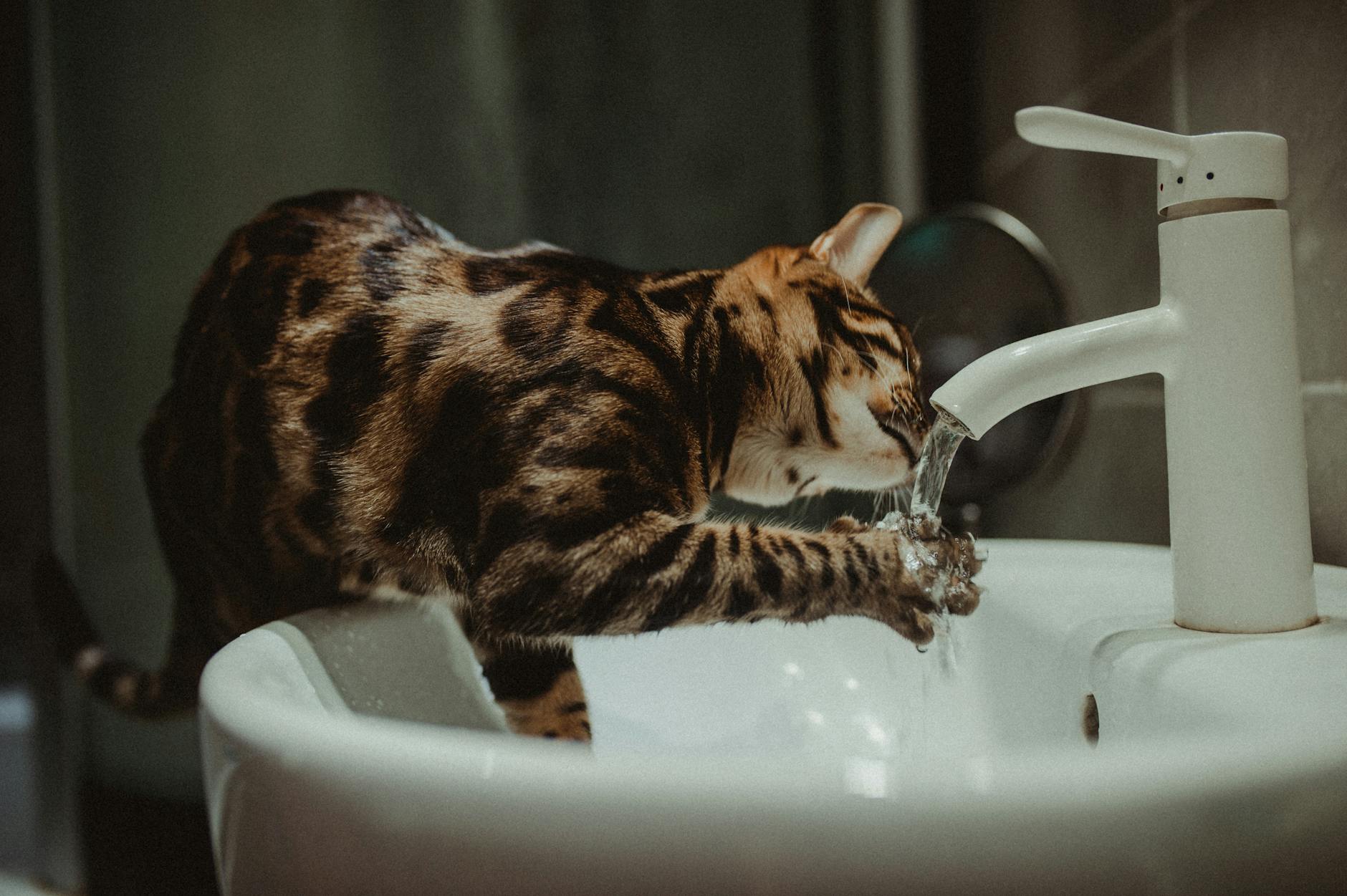
Cats should not drink from swimming pools, and most cats instinctively avoid doing so. Chlorinated pool water can irritate a cat’s mouth, throat, and digestive system, and swallowing significant amounts may cause gastrointestinal upset or more serious health issues. While a single lap or accidental swallow during a pool outing is unlikely to cause serious harm, regular or frequent consumption of pool water poses genuine health risks that pet owners should take seriously.
The danger increases substantially depending on pool maintenance practices. A well-maintained pool with proper chlorine levels presents less risk than a neglected pool with algae growth or bacterial contamination, but even “clean” pools aren’t designed for feline consumption. Many cats have experienced vomiting, diarrhea, or lethargy after drinking from pools, and these reactions are preventable through proper supervision and providing fresh water alternatives.
Table of Contents
- What Chemicals and Contaminants Are in Swimming Pool Water?
- How Does Pool Water Affect Cats’ Digestive Systems?
- Do Cats Accidentally Fall Into Pools?
- What Are the Best Practices for Cat Safety Around Pools?
- What Symptoms Indicate Pool Water Poisoning?
- Are Some Pools Safer Than Others?
- Understanding Your Cat’s Risk Profile and Long-Term Health
- Conclusion
What Chemicals and Contaminants Are in Swimming Pool Water?
Swimming pools rely on chemical treatment to remain sanitary for human use, with chlorine being the primary disinfectant. Chlorine concentrations in residential pools typically range from 1 to 3 parts per million (ppm), which is safe for human swimmers but not designed for pets. Beyond chlorine, pools often contain pH adjusters, alkalinity stabilizers, and in some cases algaecides or shock treatments that can be far more irritating to a cat’s sensitive mucous membranes. Untreated or poorly maintained pools present additional hazards.
Algae blooms can produce toxic compounds called microcystins, which can cause liver damage even in small quantities. Standing water with debris, leaves, or stagnant conditions harbors bacteria like E. coli and Cryptosporidium, which cause severe diarrheal illness in cats. A pool that hasn’t been cleaned in a week is substantially more dangerous than one serviced the day before.
How Does Pool Water Affect Cats’ Digestive Systems?
When a cat ingests chlorinated water, the chemical irritates the stomach lining and small intestine. This irritation typically triggers vomiting within a few hours, though some cats may experience delayed symptoms. The severity depends on the volume consumed and the cat’s individual sensitivity—a small kitten or senior cat with a sensitive stomach may react to far less water than a healthy adult cat.
The gastrointestinal irritation is usually mild and self-limiting, resolving within 24 hours with supportive care. However, repeated exposure to chlorinated water can lead to chronic inflammation, making the cat’s digestive tract more susceptible to secondary infections. This is an important limitation of the “one sip won’t hurt” approach: while isolated incidents are generally survivable, cats with outdoor access to pools face cumulative health risks over time.
Do Cats Accidentally Fall Into Pools?
most domestic cats are excellent swimmers and actively avoid water, so accidental pool immersion is less common than many pet owners assume. However, accidents do happen, particularly with young kittens, elderly cats with impaired balance, or cats chasing prey near pool edges. A kitten pouncing on a dragonfly near a pool deck can easily slip and fall into the water before realizing the danger.
When a cat falls into a pool, panic and water entering the nose and mouth pose the primary risk—not chlorine poisoning. A cat that swallows a small amount of pool water during a fall may experience temporary gastrointestinal upset but usually recovers without intervention. The greater concern is that a frightened cat may inhale water, causing aspiration pneumonia, or exhaust itself trying to escape. This is why pools with unsupervised outdoor access deserve safety measures like perimeter fencing or pool covers.
What Are the Best Practices for Cat Safety Around Pools?
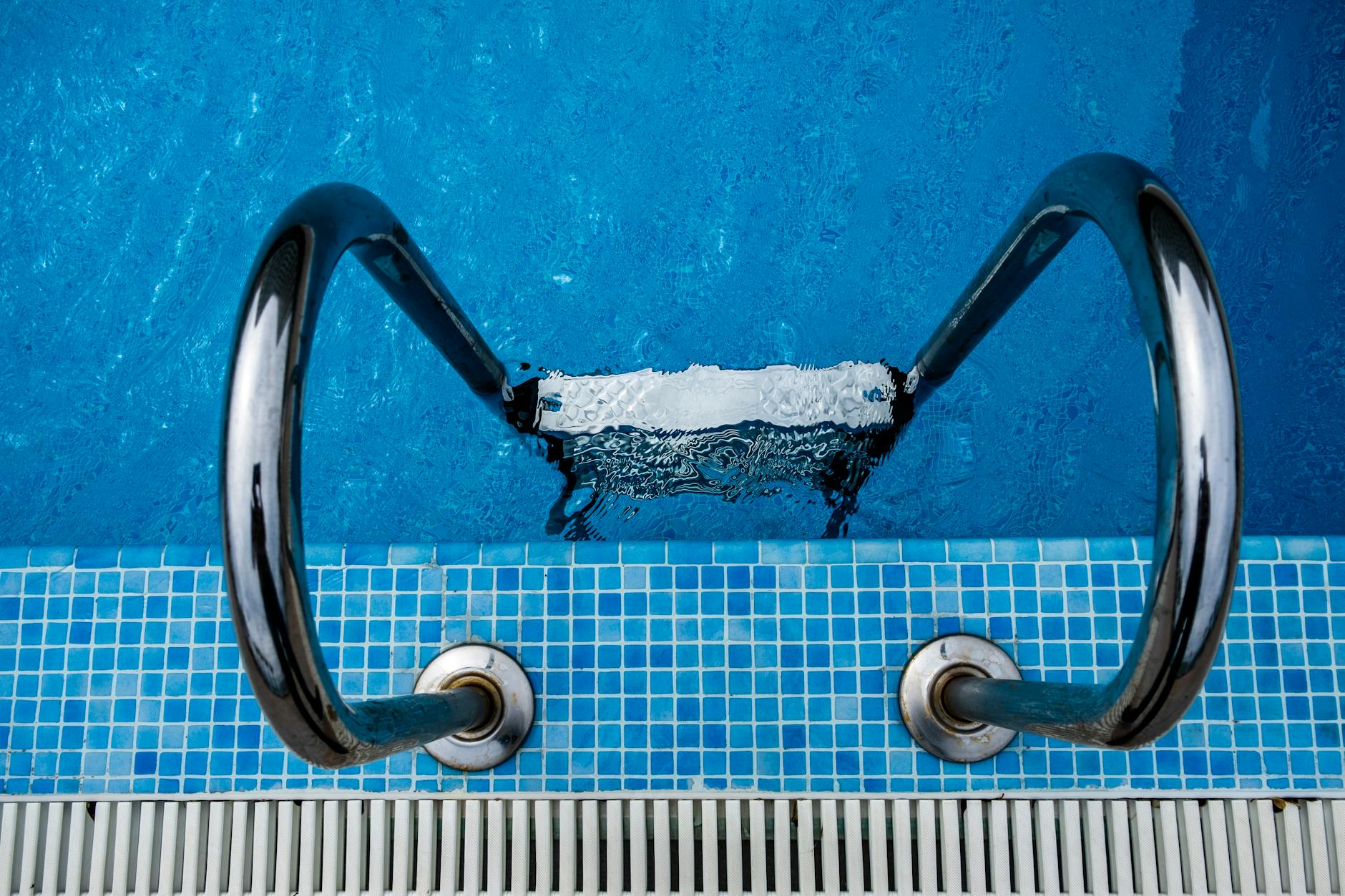
The most effective strategy is preventing pool access entirely. Keeping cats indoors or installing secure fencing that prevents unsupervised pool contact eliminates the risk altogether. For cat owners who allow outdoor time, supervising sessions near the pool and providing shade structures away from the water’s edge reduces the temptation to approach the pool when thirsty or overheated.
Providing fresh, cool drinking water in multiple locations around the yard creates a compelling alternative to pool water. A water fountain designed for cats often encourages drinking more than still water in a bowl, and the appeal of moving water makes it preferable to standing pool water. This approach addresses the root motivation—thirst—while completely eliminating the chemical exposure concern. The tradeoff is that fountains require maintenance and electricity, whereas a simple bowl requires only refilling, but the health benefit justifies the minimal effort.
What Symptoms Indicate Pool Water Poisoning?
Watch for vomiting, diarrhea, loss of appetite, lethargy, excessive drooling, or reluctance to swallow within hours of pool exposure. Some cats develop mild fever or abdominal pain, which you might notice through behavioral changes like unusual positioning or vocalization. The symptoms typically emerge within 1 to 6 hours of water ingestion and resolve within 24 hours with supportive care like rest and access to fresh water.
Severe cases are uncommon but warrant immediate veterinary attention. If your cat ingested a large volume of chemically treated water, shows signs of aspiration (sudden coughing, difficulty breathing, or blue-tinged gums), or symptoms persist beyond 24 hours, contact your veterinarian immediately. Some pools with heavy algae contamination or chemical imbalance can cause more serious reactions, so context matters—if you know your pool has recently been treated with shock chemicals or algaecide, treat even minor symptoms with greater urgency.
Are Some Pools Safer Than Others?
Salt-water pools, which use electrolysis instead of chlorine tablets, are marginally safer for accidental consumption than heavily chlorinated pools. Salt-water systems produce chlorine on-demand, resulting in lower overall chlorine residue and a less harsh chemical environment. However, salt-water is still not safe for cats to drink—the high sodium content can cause electrolyte imbalances and dehydration.
A salt-water pool is a relative improvement, not a solution. Natural pools that use biological filtration and plants instead of chemicals eliminate chemical exposure, but they introduce different risks. Natural pools are prone to algae and bacterial growth, and the water quality fluctuates seasonally. Some owners of natural pools have reported fewer issues with accidental cat exposure, but these pools still shouldn’t be considered safe drinking sources for pets.
Understanding Your Cat’s Risk Profile and Long-Term Health
Certain cats are at higher risk from pool exposure than others. Kittens under six months old have less developed immune systems and may react more severely to contaminants. Senior cats with compromised kidney or digestive function face greater consequences from electrolyte imbalances. Cats with existing gastrointestinal issues, allergies, or immune conditions should never have pool access—their systems are already stressed and can’t tolerate additional irritants.
Building healthy habits early prevents future problems. Teaching young cats to drink from designated bowls and creating a household where fresh water is readily available establishes preferences that persist into adulthood. Cats that grow up without pool access rarely develop curiosity about water bodies, whereas cats that occasionally sneak tastes may repeat the behavior. Prevention through consistent access to fresh water and environmental management is far more effective than managing acute illness after exposure.
Conclusion
Cats can tolerate small, accidental quantities of pool water without serious consequences, but intentional or repeated drinking should be prevented. The combination of chemical irritants, bacterial contamination, and the lack of nutritional value makes pool water fundamentally unsuitable for feline consumption. Most cats naturally avoid pools anyway, which works in your favor—you simply need to reinforce this instinct by ensuring they have better alternatives.
The practical steps are straightforward: provide fresh water in multiple locations, supervise outdoor time, and establish barriers that prevent unsupervised pool access. If your cat has already experienced pool water exposure with mild symptoms, they’ll likely recover fully within a day. Focus your efforts on preventing future incidents through environmental management and consistent access to clean water, and your cat will remain healthy while you enjoy your pool without worry.