is it safe for cats to eat apples without skin
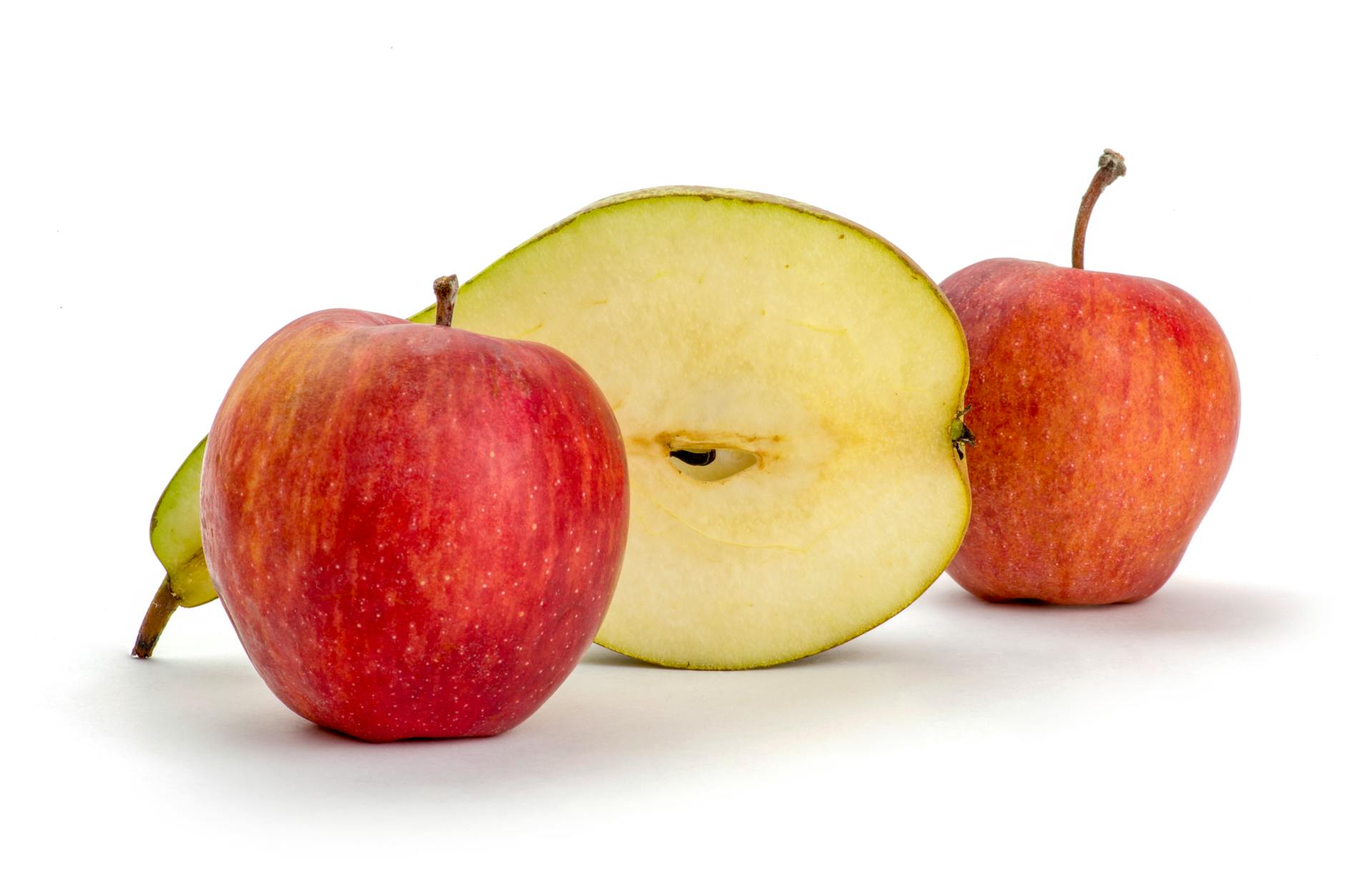
Yes, it is safe for cats to eat apples without skin in small, occasional amounts. Apples themselves are not toxic to cats, and removing the skin…
Cat Health, Behavior and Care Guides
Cat safety, hazards, and poison prevention
Yes, it is safe for cats to eat apples without skin in small, occasional amounts. Apples themselves are not toxic to cats, and removing the skin…
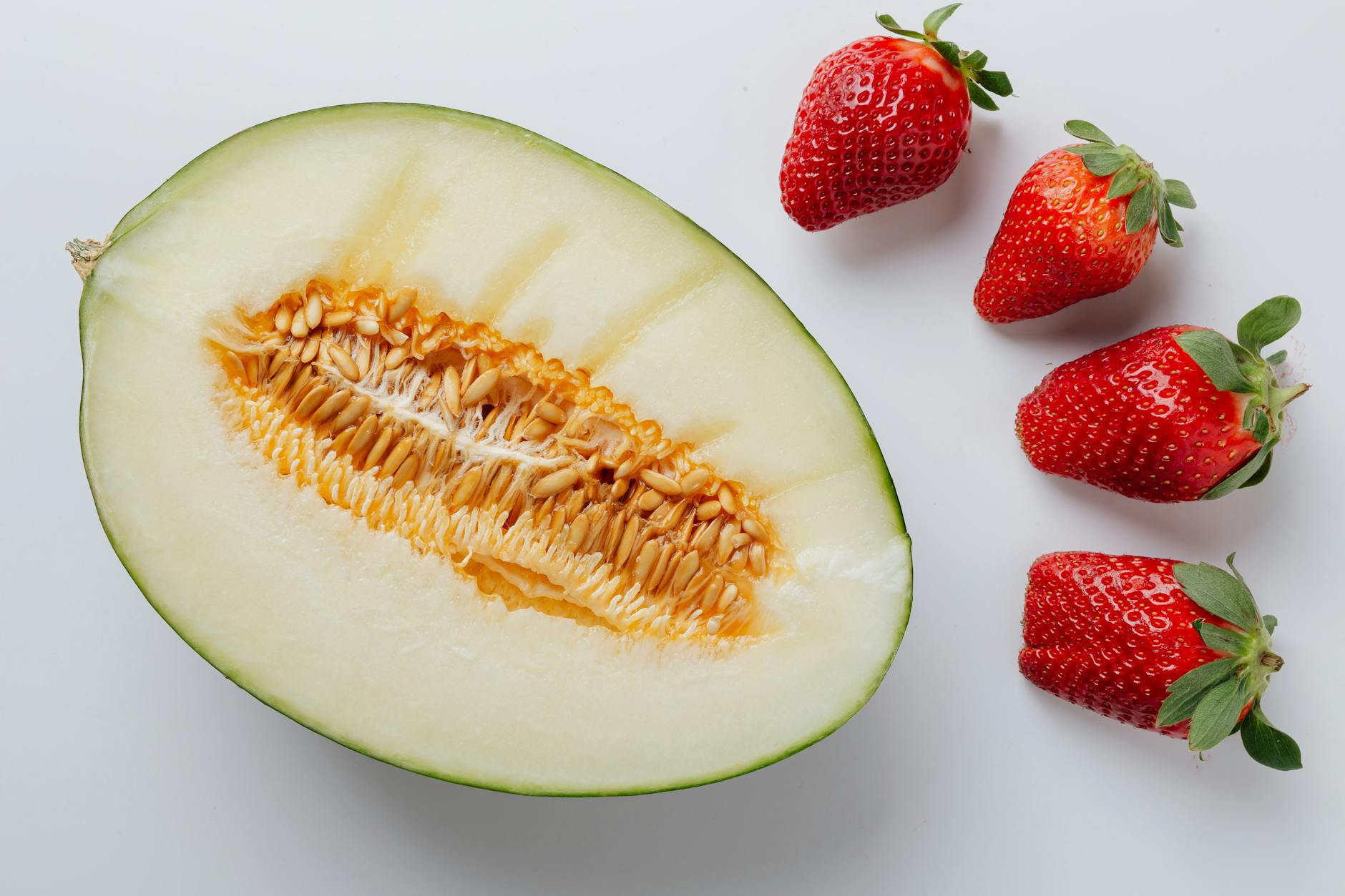
Yes, it is safe for cats to eat small amounts of honeydew melon, provided it’s prepared properly and offered only occasionally.
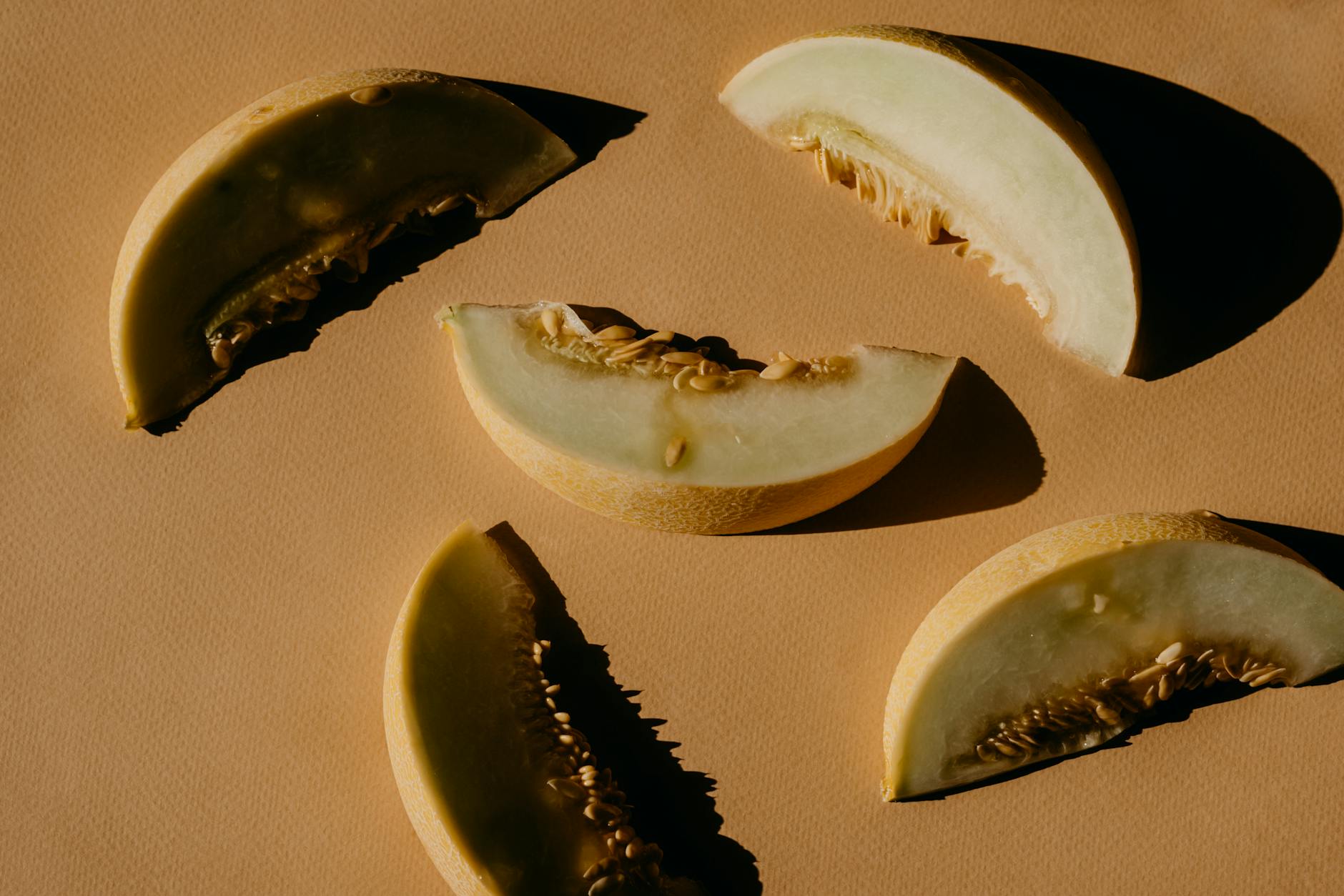
Yes, cantaloupe is generally safe for cats to eat in small amounts, and it can actually be a refreshing treat during hot months.

Yes, cats can safely eat small amounts of watermelon in moderation. Watermelon is not toxic to cats and contains mostly water, which can be beneficial…
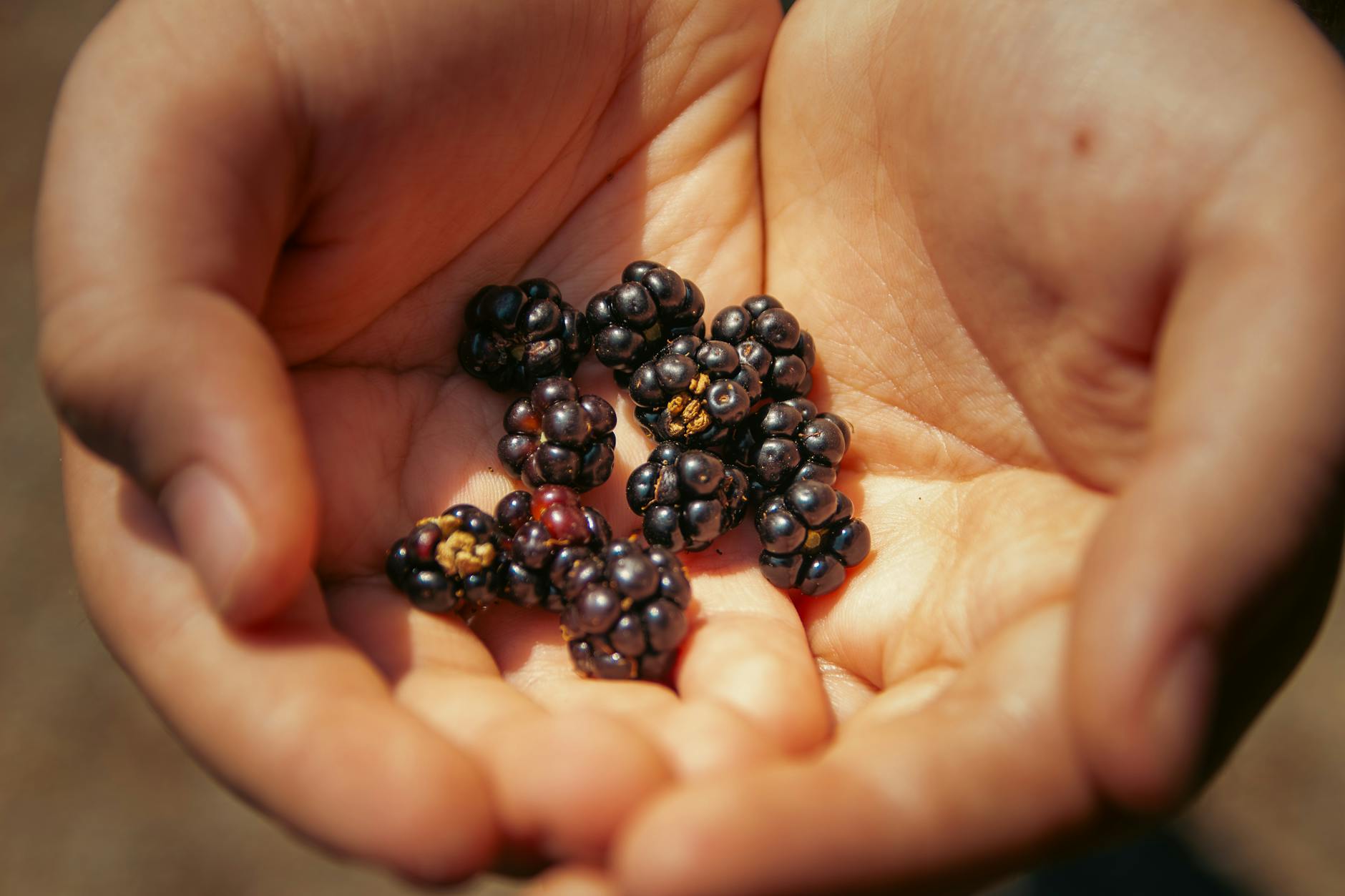
Yes, cats can safely eat blackberries in small quantities, but they should not be a regular part of their diet.

Yes, raspberries are safe for cats to eat in small quantities. Unlike many fruits that pose serious health risks to felines, raspberries contain no toxic…

Yes, cats can eat strawberries, and they are generally safe for feline consumption when offered in moderation.

Yes, sleeping with a cat under your covers is generally safe for most people and cats, though it comes with important considerations.

Yes, it is safe to share dishware with your house cat—provided you follow proper cleaning protocols. The U.S.

Yes, it is safe to share dishware with your cat after washing with soap, but only if you rinse the dishes thoroughly to remove all soap residue.