
Are Apples Safe for Cats to Eat
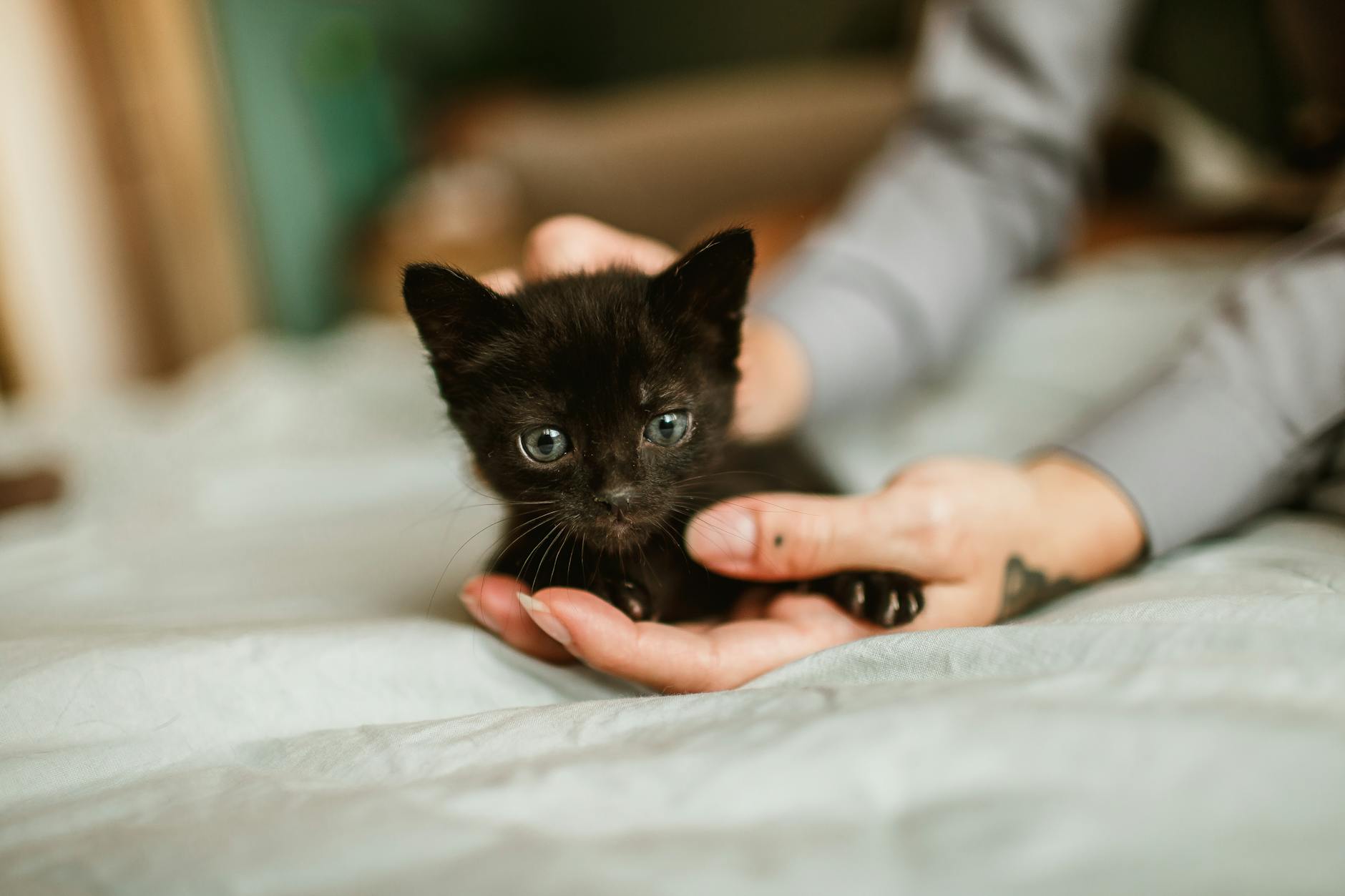
Yes, apples are generally safe for cats to eat in small amounts, but only the flesh of the fruit.
Six calculators built on published veterinary guidance, with the sources cited on each page.
Kitten, young adult, mature or senior — and what actually changes in care at each stage.
Open the checker →Daily calories from body weight and neuter status, using the standard veterinary energy equation.
Work out portions →How many boxes a household needs, where to put them, and what the guidance really says.
Check your setup →Foods and plants that are dangerous to cats specifically — including the one most people keep in a vase.
Check a substance →Three hands-on checks that place your cat on the nine-point veterinary scale, where 5 is ideal.
Score your cat →Due window from the mating date, plus what should be happening week by week.
Work out the date →Cat Health, Behavior and Care Guides
Yes, apples are generally safe for cats to eat in small amounts, but only the flesh of the fruit.
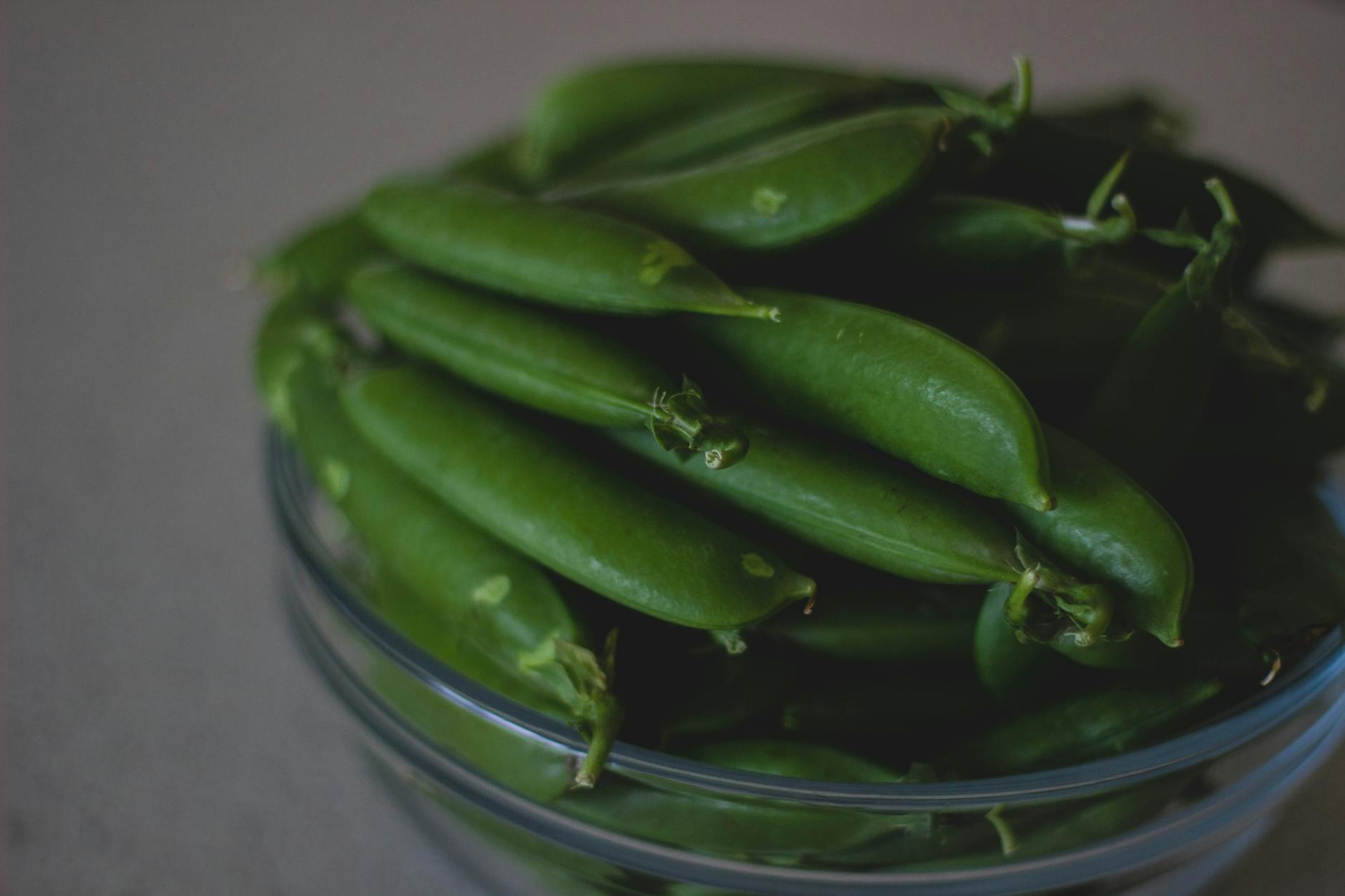
Yes, cats can eat peas without digestive issues when served properly and in small amounts. Peas are non-toxic to cats and are commonly included as an…
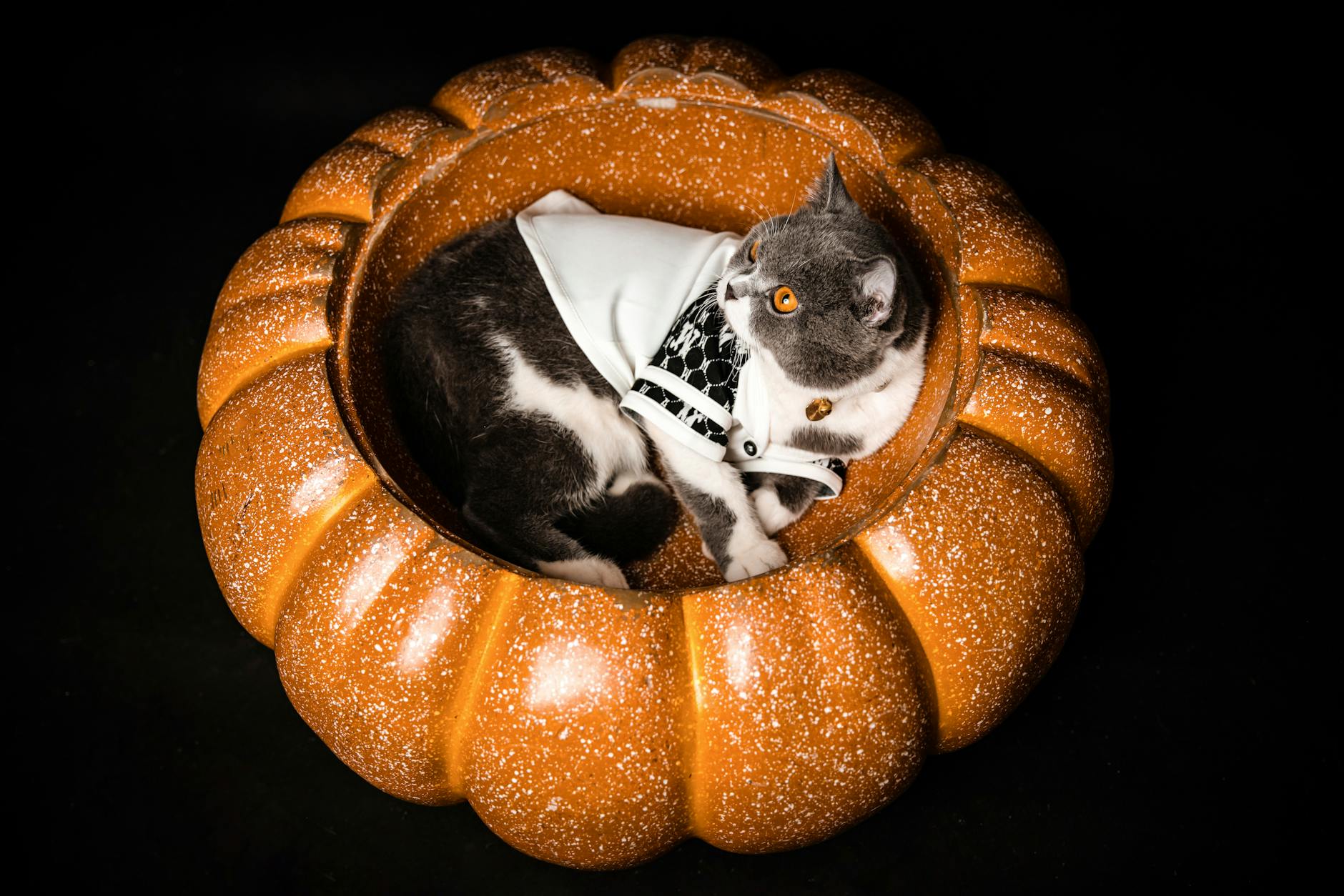
Pumpkin is good for cats when fed in moderation and prepared correctly. Plain, cooked pumpkin offers genuine digestive benefits for felines, helping with…

Yes, cats can eat carrots safely in small amounts. Carrots are non-toxic to cats and pose no immediate health risk when prepared properly.

Yes, garlic is dangerous for cats and should never be fed to them under any circumstances. Garlic belongs to the Allium family, which includes onions,…
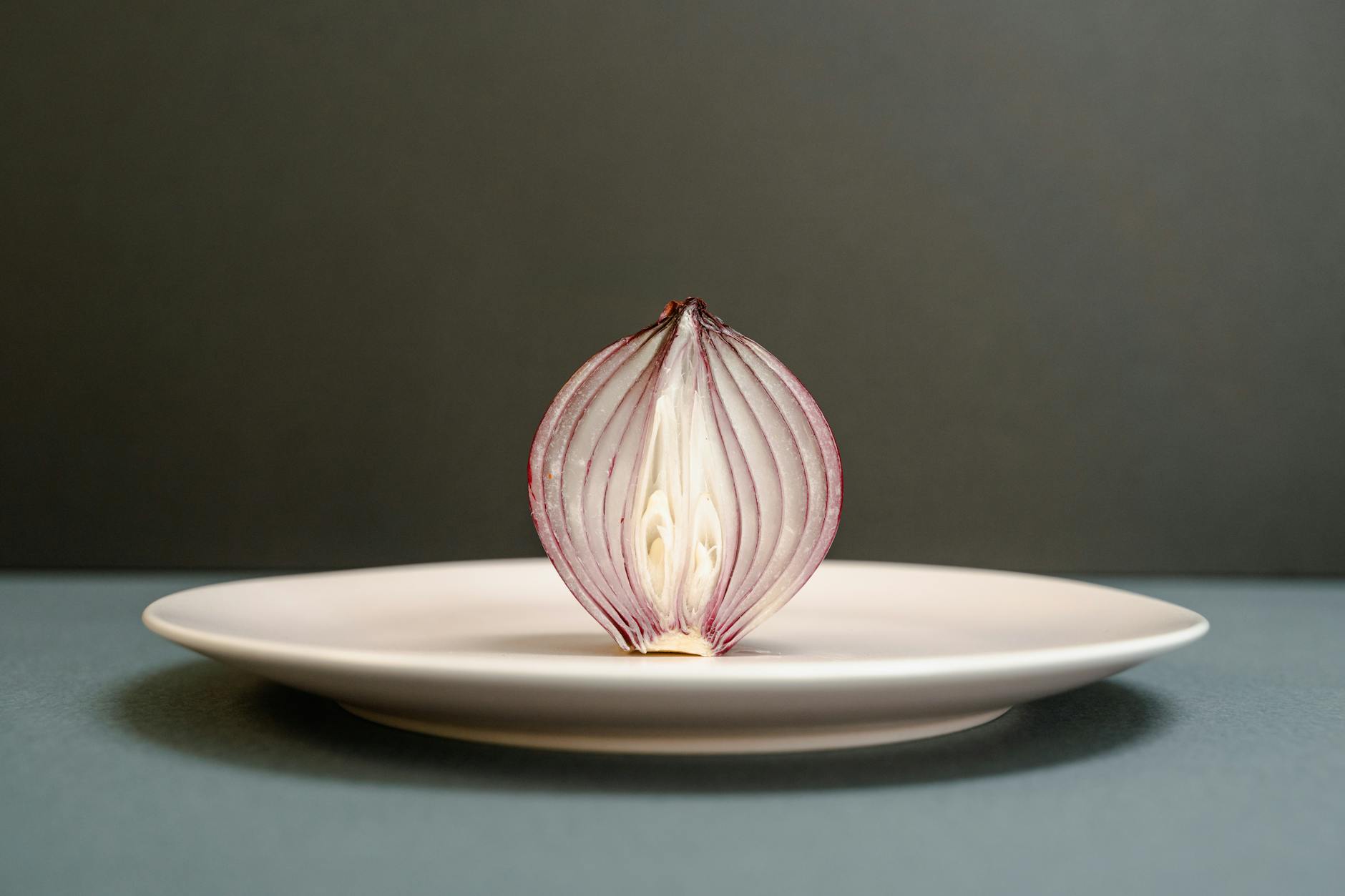
Yes, onions are toxic to cats and should never be fed to them under any circumstances. All parts of the onion plant””including the bulb, leaves, juice,…

Ripe, red tomatoes are generally safe for cats to eat in small amounts, but the green parts of the tomato plant””including stems, leaves, and unripe green…

Yes, cats can eat potatoes without risk, but only when the potatoes are cooked, peeled, and served completely plain.
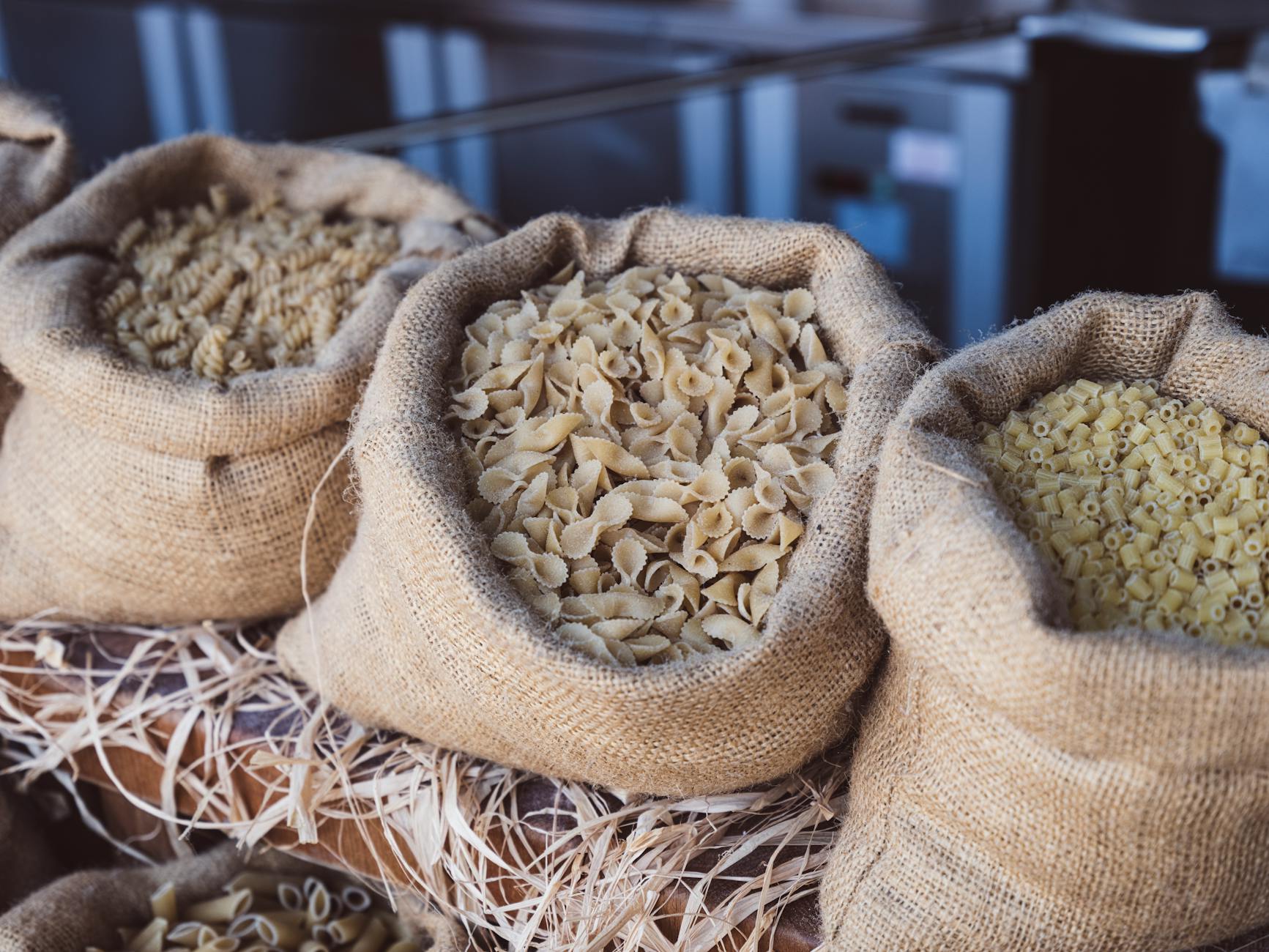
Plain, cooked pasta is generally safe for cats to eat in very small amounts, but it offers no nutritional benefit and should never become a regular part…
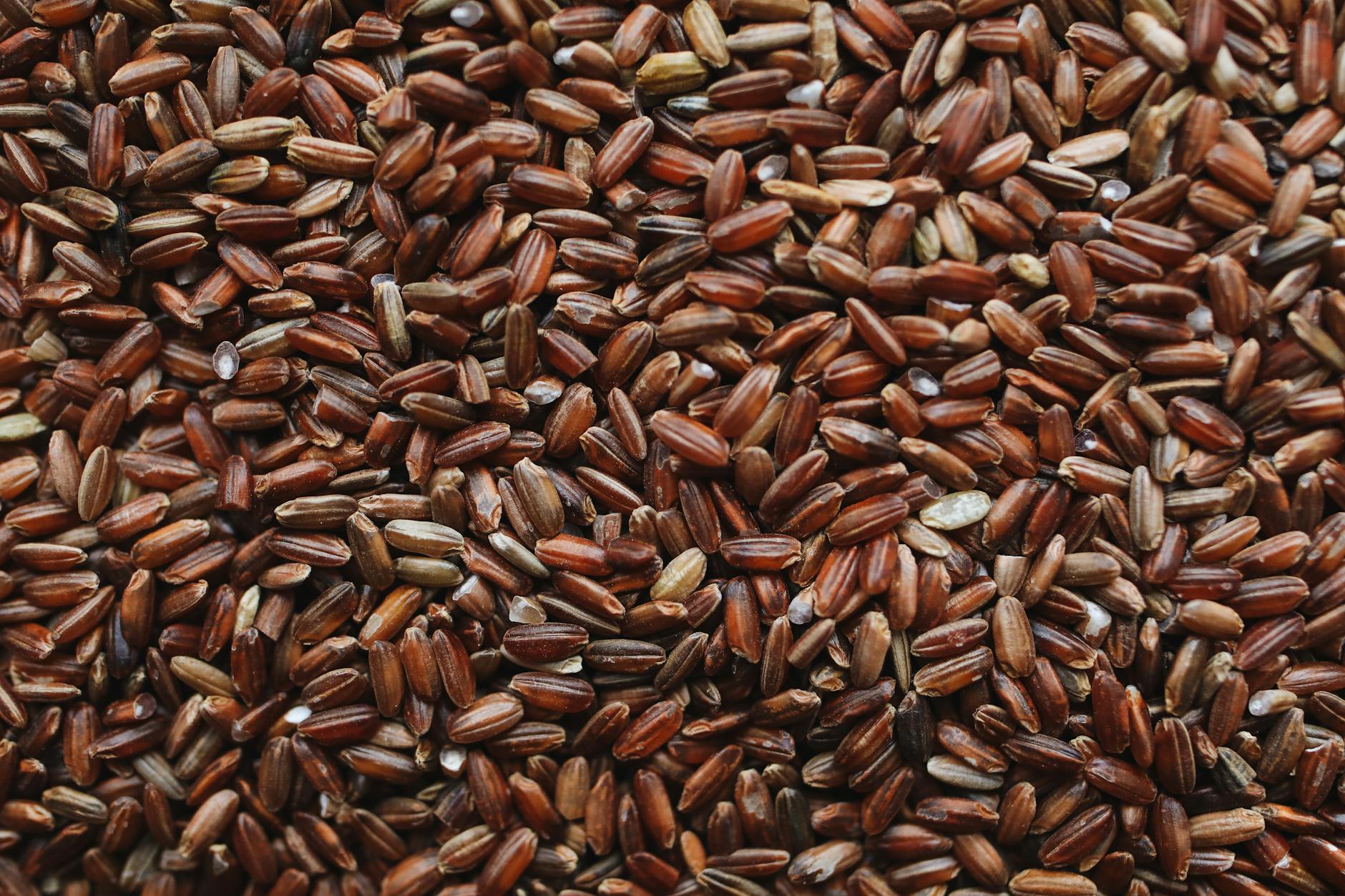
Yes, cats can eat rice safely in small amounts. Plain, fully cooked white or brown rice is non-toxic to cats and can occasionally serve as a bland…
Cat Professor is a reference for people who live with cats. We write up what the veterinary literature and the professional guidelines actually say, in plain language, and we say so when the evidence is thin or the popular rule of thumb has no trial behind it.
Two. The widely used rule is one box per cat plus one spare, and the AAFP/ISFM environmental needs guidelines separately state that every cat should have a choice of at least two toileting areas. Both land in the same place for a single cat. Our litter box calculator works out multi-cat and multi-floor homes.
It scales to body weight to the power of three quarters, not to body weight directly. A neutered 4.5 kg cat needs roughly 260 kcal a day; the same equation gives a different answer for an intact cat or a growing kitten. The feeding calculator shows the working.
No, and the veterinary guidelines do not publish a human-age conversion at all. What they define is four life stages — kitten, young adult, mature adult and senior — because the stage is what changes screening and feeding. The life stage checker uses those bands.
Over ten years, under the 2021 AAHA/AAFP life stage guidelines. Cats aged seven to ten are classed as mature adults, which is the stage where routine screening starts to find kidney, thyroid and dental disease before there is anything visible to notice.
No. Everything here is general information for cat owners. A cat that is straining to urinate, has stopped eating, or has suddenly changed its litter box habits needs to be seen the same day — urinary obstruction is a genuine emergency.